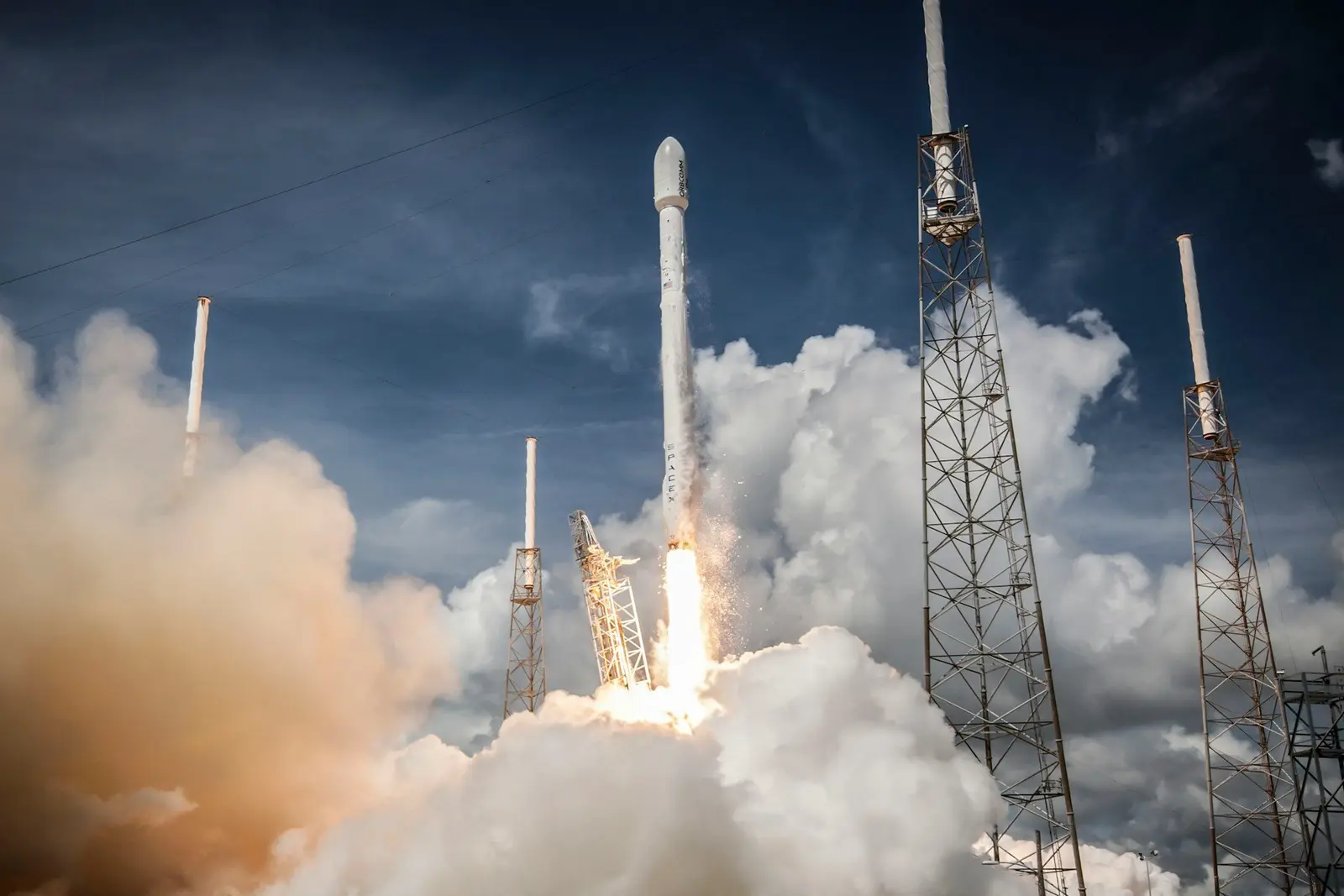
Validating Hardware Beyond Earth's Atmosphere
Google’s initiative transforms a futuristic concept into an engineering challenge. The company placed four TPUs on a SpaceX rocket. This marks the start of a critical experiment. It tests if specialized components function in extreme space conditions. The move belongs to the Suncatcher project. It evaluates radiation resistance, cooling systems, and economic viability. The goal is to prove orbital infrastructure works.
Breaking news
 OpenAI's Approach to EU Text Provenance Rules
 Tencent Secures Massive AI Chip Lease from Oracle in Southeast Asia
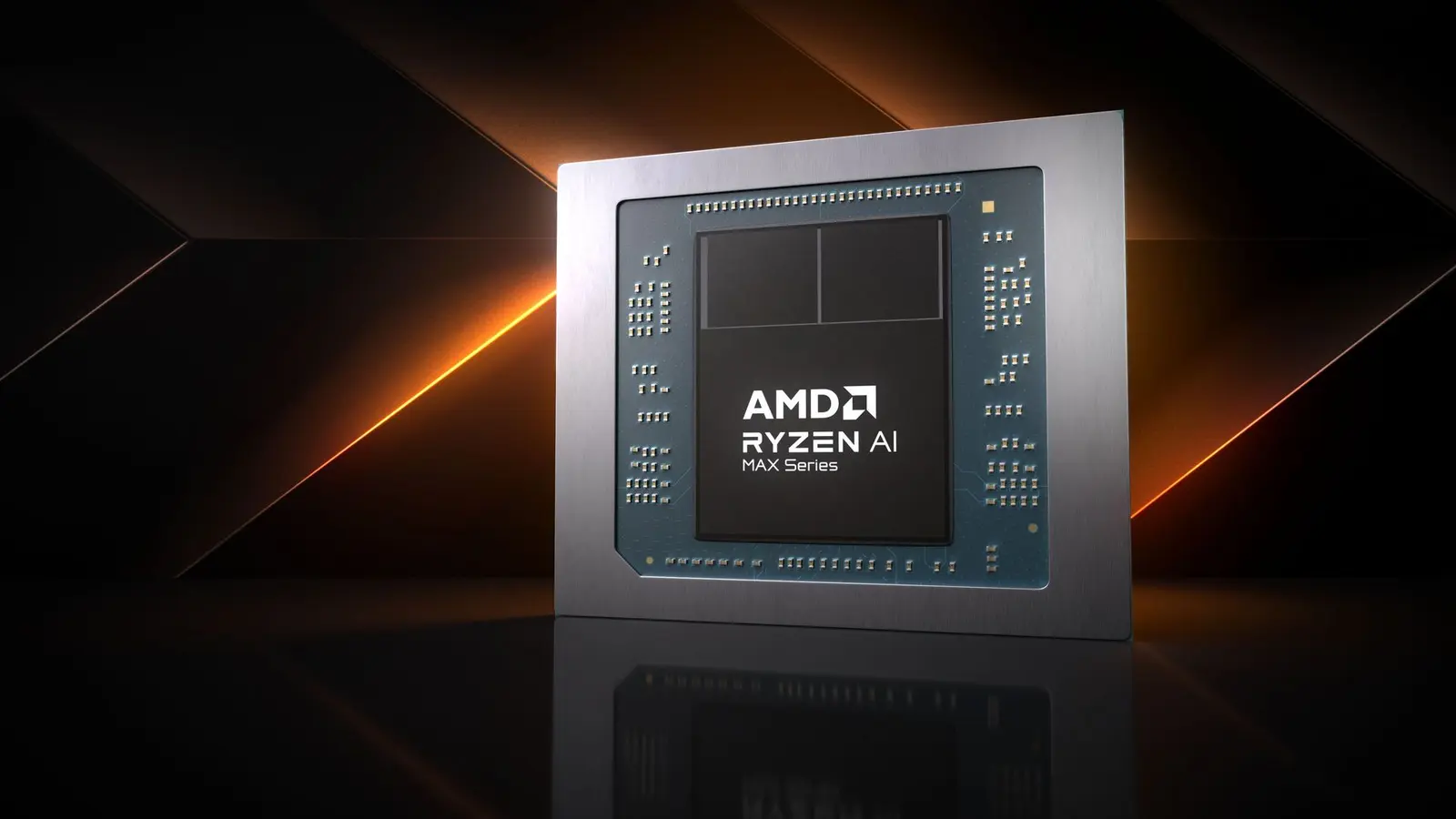 AMD Preempts Nvidia RTX Spark Launch with Gorgon Halo Benchmarks
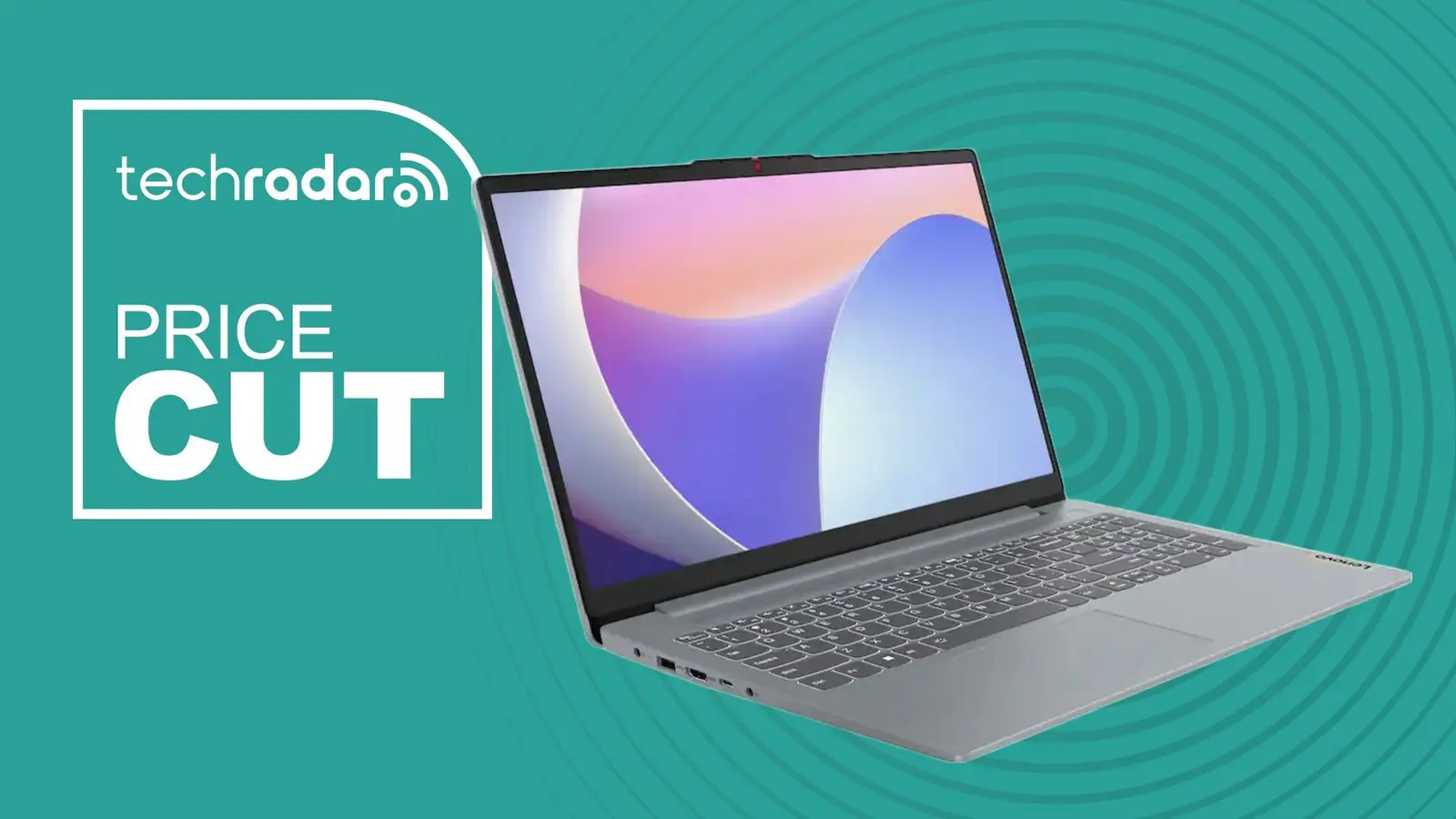 Lenovo IdeaPad Slim 3i with 16GB RAM and Core i5 Processor Sees $400 Price Cut at Best Buy
The MVP Satellite Mission
The satellite, named MVP, is refrigerator-sized. Planet developed it in partnership with Google. It launched on October 1 from Vandenberg Base in California. The ride was part of SpaceX’s Transporter-18 mission. This satellite is not yet a full data center. Its immediate purpose is measuring TPU behavior. It tracks performance under orbital radiation and thermal fluctuations. The long-term objective explores economic competitiveness. For IT leaders, orbital computing could ease energy and storage constraints on Earth.
Solar Power Advantages and Cost Curves
Traditional data centers face growing demands. They require more electricity, land, and water. Google estimates orbital solar panels are eight times more productive. They benefit from near-continuous sunlight exposure. This creates an attractive proposition. Some AI computation could migrate to orbit. It would run exclusively on solar power. Matthew Weinzierl, author of „Space to Grow,” noted this trend. He stated that terrestrial costs rise while space costs fall. These curves will eventually intersect. However, the exact balance point remains uncertain.
Engineering Challenges in Orbit
Google faces complex infrastructure issues in space. Heat management is the primary barrier. Space lacks air to dissipate processor heat. Google implemented a specialized thermal system. Current designs allow chips to run for about 15 minutes. They then require mandatory cooling phases. Radiation presents another significant risk. Before launch, Google tested TPUs at UC Davis. Simulations covered years of exposure. This guaranteed hardware integrity against cosmic rays.
Communication Networks and Scaling Issues
Communication networks are another critical aspect. Google plans to launch two more satellites in 2027. These will test laser communications. Future orbital data centers need fast links between satellites. Spacecraft must stay close for efficient communication. Yet, they must remain far enough to avoid collisions. Can space scale properly? The Suncatcher project goes beyond simple hardware testing. Managing a few chips is feasible. Scaling to large constellations introduces new challenges. These include launch costs, space debris, and orbital congestion. Solar storms and re-entry emissions also matter. Researcher Juan A. Fraire noted orbital facilities need five to six years to match greener terrestrial emission profiles.
Implications for AI Infrastructure
The implications for AI infrastructure are nuanced. Google’s experiment may not replace current data centers immediately. Instead, it creates a future alternative for AI workloads. If cooling, communication, and radiation protection issues resolve, orbital infrastructure offers unique advantages. Companies gain access to scarce energy and physical space. Conversely, if problems prove too costly or complex, the experiment yields valuable insights. Abundant sunlight alone may not make a space data center practical.