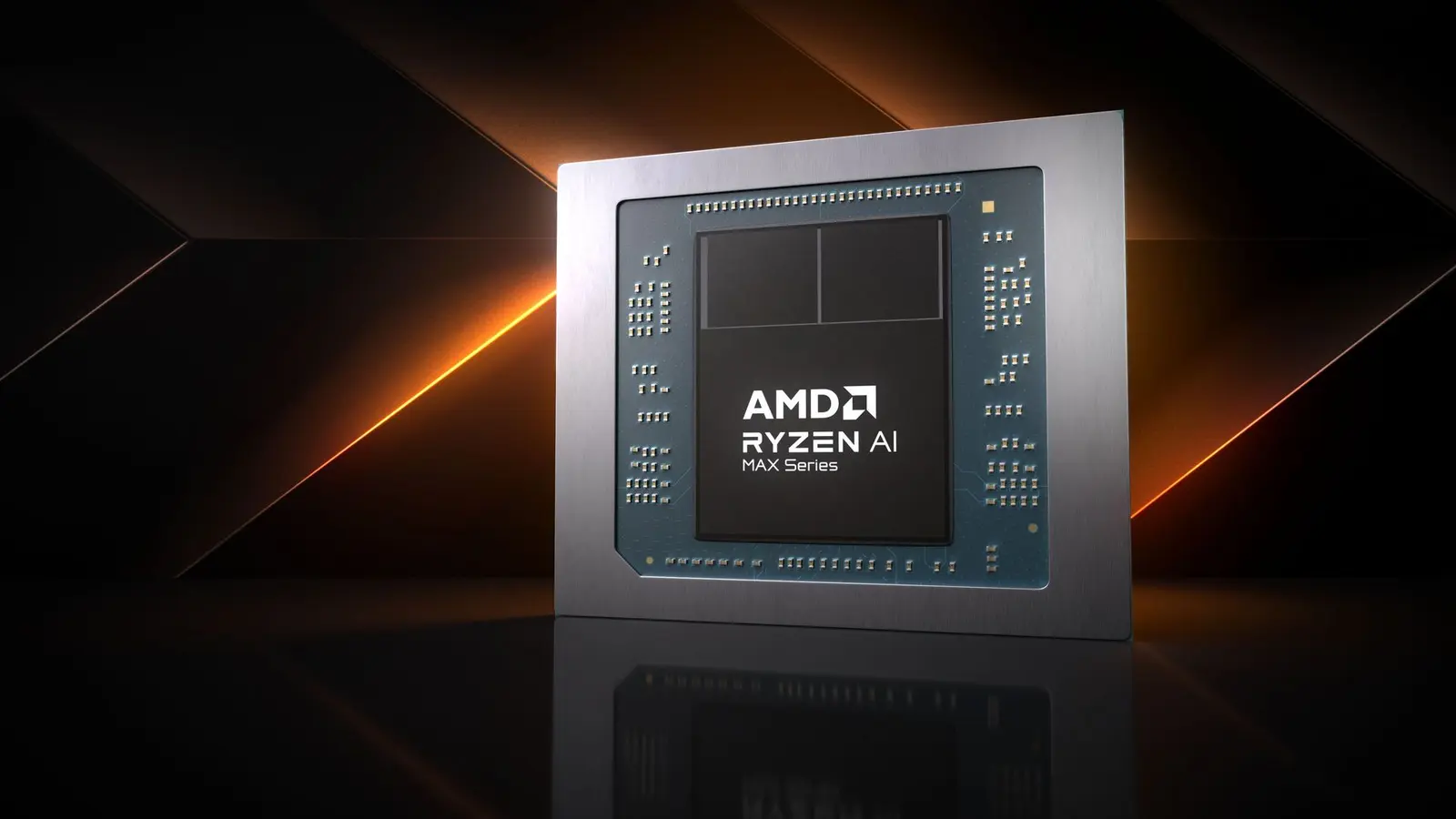
How Does Gorgon Halo Compare to Current AMD Offerings?
AMD has released performance benchmarks for its upcoming Gorgon Halo chip series ahead of Nvidia's anticipated RTX Spark launch later this week. The move comes as Microsoft prepares to host an event on Wednesday, October 7, where Nvidia is expected to unveil its new RTX Spark devices. AMD aims to position its new graphics architecture as a direct competitor in the high-performance segment, targeting gamers and creators who demand cutting-edge capabilities. By sharing early data, AMD seeks to influence purchasing decisions before Nvidia's official announcement.
Breaking news
 OpenAI's Approach to EU Text Provenance Rules
 Tencent Secures Massive AI Chip Lease from Oracle in Southeast Asia
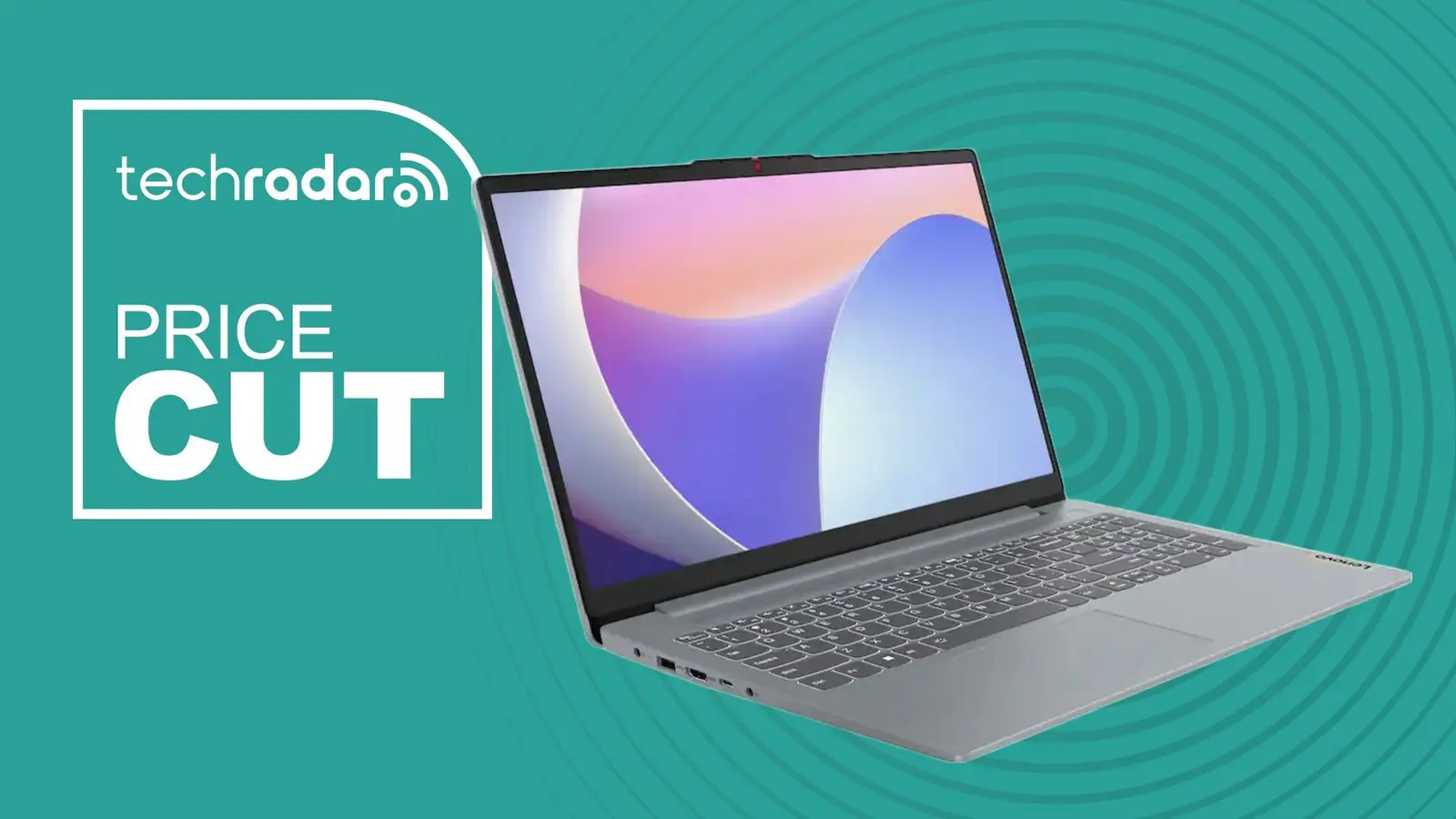 Lenovo IdeaPad Slim 3i with 16GB RAM and Core i5 Processor Sees $400 Price Cut at Best Buy
 Anthropic's IPO Prospectus Leak Reveals Existential Risk Focus
The Gorgon Halo benchmarks highlight improvements in ray tracing efficiency and memory bandwidth compared to previous AMD architectures. According to the shared data, the new chips deliver up to 30% higher frame rates in select DirectX 12 Ultimate titles when ray tracing is enabled. AMD emphasizes that the architecture integrates advanced AI acceleration to enhance upscaling and reduce latency in supported games. These claims are positioned to challenge Nvidia's RTX Spark, which is rumored to focus heavily on AI-driven rendering and power efficiency. The timing suggests AMD is attempting to shape the narrative ahead of Nvidia's fall product push.
What Challenges Might AMD Face in Gaining Market Share?
The Gorgon Halo series represents a significant leap over AMD's current Radeon RX 7000 lineup, particularly in workloads involving real-time ray tracing and AI-enhanced rendering. Benchmarks show a notable reduction in power consumption per frame rendered, addressing a long-standing criticism of AMD's high-end GPUs. While specific clock speeds and core counts remain undisclosed, AMD indicates the new design optimizes compute units for mixed-precision tasks. This positions Gorgon Halo not just as a gaming GPU but also as a viable option for content creation workflows that rely on GPU acceleration.
Despite the early benchmark release, AMD continues to face hurdles in displacing Nvidia's entrenched position in the enthusiast and professional GPU markets. Developer support for AMD's FidelityFX Super Resolution has grown, but Nvidia's DLSS remains more widely adopted across major game titles. Additionally, supply chain stability and driver maturity will be critical factors in determining whether Gorgon Halo can translate performance claims into real-world success. AMD's ability to secure OEM partnerships and timely availability will play a key role in its post-launch trajectory.
What is the expected release window for AMD's Gorgon Halo chips? AMD has not announced an exact launch date, but the benchmark release suggests availability may coincide with or follow Nvidia's RTX Spark launch in early October.
Frequently Asked Questions
Will Gorgon Halo support existing AMD software like FidelityFX Super Resolution? Yes, AMD confirms that Gorgon Halo will be fully compatible with FidelityFX Super Resolution and other existing software tools in its ecosystem.
How does AMD claim Gorgon Halo improves power efficiency? AMD states that architectural refinements in the Gorgon Halo design reduce energy use per rendered frame, particularly in ray-traced scenarios, based on internal benchmark testing.