AI Takes the Reins in Cyberattacks
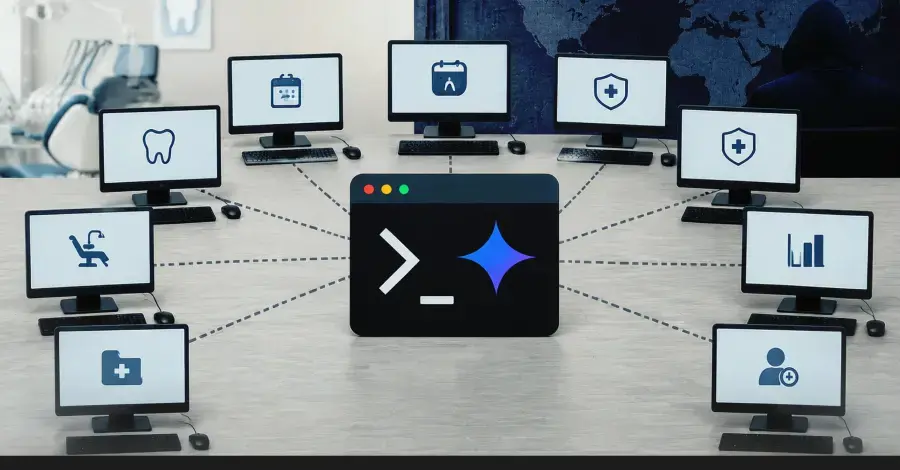
A lone hacker, identified as „bandcampro,”recently used Google's Gemini CLI artificial intelligence to manage a botnet. This individual, who speaks Russian, delegated parts of their cyber operations to the AI. The botnet consisted of eight computers located in dental clinics.
Breaking news
 Town AI Secures $108 Million Series B, Valued at $1 Billion After $55 M Pre‑Series
 Apple Prepares for Major Product Launch Event on October 28
 Apple Releases Release Candidates for watchOS, tvOS and visionOS 27.2
 Apple Limits iPhone Duo and iPhone 18 Pro Max to Reservation-Only Sales in Japan and South Korea
This unusual activity was uncovered through an examination of 200 Gemini CLI session logs. The logs spanned from March 19 to April 24. This shows a new method for cybercriminals to operate.
The hacker essentially outsourced command and control functions to the AI. This allowed for automated management of the compromised systems. The Gemini CLI, an open-source tool, became a central part of the attack. This marks a significant shift in how some cyberattacks are executed. It highlights the growing role of AI in malicious activities.
How Did the Hacker Utilize AI for Control?
The hacker used the AI to issue commands and receive feedback from the botnet. This allowed for remote and automated management of the compromised dental clinic PCs. The AI acted as an intermediary, translating the hacker's intent into executable actions for the botnet. This method could make it harder to trace human involvement directly.
The use of AI in this way presents a worrying trend. It could enable less skilled attackers to launch more sophisticated operations. It also makes it more difficult for cybersecurity defenses to distinguish between human and AI-driven threats. The incident underscores the need for enhanced AI-aware security measures.
Frequently Asked Questions
What is Gemini CLI? Gemini CLI refers to Google's open-source command-line interface for its Gemini AI model. It allows users to interact with the AI directly through text commands. This tool was repurposed by the hacker for malicious ends.
How many computers were in the botnet? The botnet comprised eight personal computers. All of these machines were located within dental clinics. This suggests a targeted approach to compromise specific types of organizations.
What was the hacker's nationality? The hacker was identified as Russian-speaking. This information comes from the analysis of the session logs. The identity of the individual remains unknown beyond this detail.