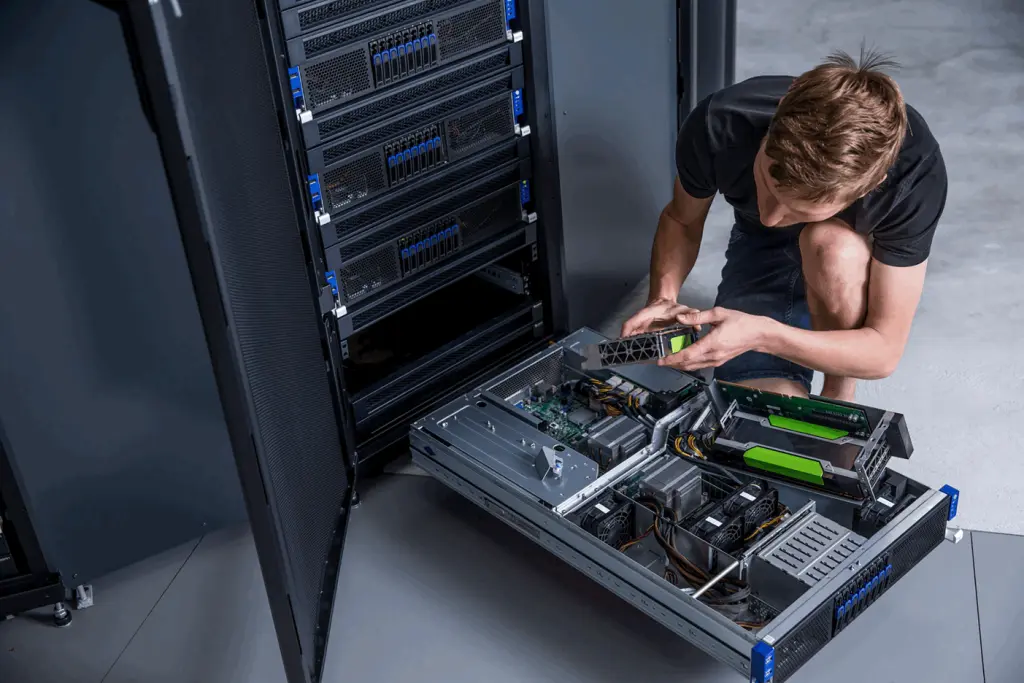
Advanced Safeguards Against Electrical Hazards
AI-driven data centers are rapidly upgrading to 800VDC power architectures to meet intense energy demands. This shift toward higher voltage levels introduces significant safety hazards, including electrical faults and arc flashes. Engineers must now prioritize advanced protection strategies to prevent catastrophic equipment failures and ensure the safety of facility personnel.
Breaking news
 Town AI Secures $108 Million Series B, Valued at $1 Billion After $55 M Pre‑Series
 Apple Prepares for Major Product Launch Event on October 28
 Apple Releases Release Candidates for watchOS, tvOS and visionOS 27.2
 Apple Limits iPhone Duo and iPhone 18 Pro Max to Reservation-Only Sales in Japan and South Korea
The transition to 800VDC systems is primarily fueled by the massive power requirements of modern artificial intelligence hardware. While these higher voltages improve efficiency, they also increase the risk of thermal runaway and dangerous electrical discharge. Facility managers are now tasked with implementing robust safety protocols to mitigate these volatile conditions.
To manage these intensified currents, data centers are integrating sophisticated protection components. Hot-swap circuits and solid-state circuit breakers are becoming standard requirements for modern infrastructure. These tools allow for the rapid isolation of faulty hardware, preventing localized issues from escalating into facility-wide power outages or dangerous fires.
Can Current Infrastructure Keep Pace With AI Demands?
Industry experts are increasingly looking toward the automotive sector for guidance on power reliability. Electric vehicle manufacturers have long managed high-voltage battery systems, and data centers are now adopting similar chip reliability standards. This cross-industry exchange is helping engineers design more resilient power distribution networks that can withstand the rigors of continuous, high-load operations.
The rapid adoption of AI technology is forcing a redesign of traditional electrical distribution. If protection systems fail to keep up with the rising voltage, the consequences could be severe. Beyond the immediate threat to human life, electrical fires can result in multi-million dollar equipment losses and extended downtime.
Looking ahead, the industry must standardize safety components to ensure consistent performance across all new builds. As AI models grow in complexity, the power density within these facilities will only increase. Future-proofing data centers requires a fundamental shift in how electrical safety is engineered from the ground up.
Frequently Asked Questions
Why is the shift to 800VDC necessary for AI? AI hardware requires significantly more power than traditional servers. Higher voltages allow for more efficient energy delivery, which is essential for supporting high-density computing clusters.
What are the primary risks of using higher voltages? The main dangers include arc flashes, thermal runaways, and electrical fires. These incidents pose a direct threat to personnel and can cause widespread damage to expensive server infrastructure.
How are data centers improving safety? Facilities are adopting solid-state circuit breakers and advanced hot-swap technology. They are also borrowing reliability standards from the automotive industry to better manage high-voltage power distribution.