Turning Free Access into a Competitive Edge
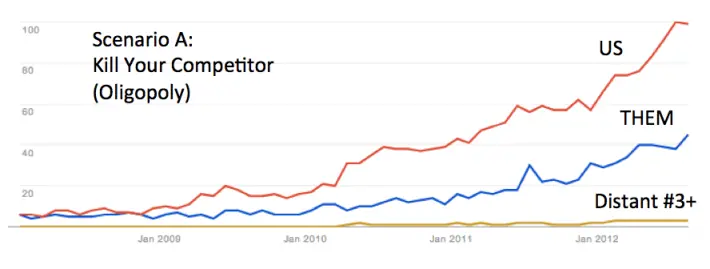
Elevenlabs, a SaaS startup focused on AI voice technology, launched a $10,000 grant program in early September 2026. The initiative targeted small developers and startups, offering free credits to integrate Elevenlabs’ APIs. Within weeks, participants began building applications, and the company later introduced premium tiers, converting many grant recipients into paying customers. The move has been credited with weakening rival providers in the voice‑AI market.
Breaking news
 Canonical’s Web Presence Hit by Second DDoS Assault This Year
 Loops AI Secures $3.5 Million to Power a New AI Operating System for E‑Commerce
 Winverse AI Secures Tens of Millions in Seed Funding from DeepSeek and Long‑Z
 Google Adds Pixel 9 Series to Certified Refurbished Store
The grant program was more than a goodwill gesture. By lowering the entry barrier, Elevenlabs quickly amassed a user base that depended on its platform. Once these users had built functional products, the company presented upsell options—higher‑quality voice models, expanded usage limits, and dedicated support. According to internal data shared by the firm’s co‑founder, the conversion rate from grant recipient to paying client exceeded 30 percent, a figure far above industry averages. This strategy not only generated recurring revenue but also created a network effect: as more developers chose Elevenlabs, the ecosystem grew richer, making it harder for competitors to attract the same talent.
Elevenlabs’ approach mirrors a broader trend in B2B tech where free or heavily discounted entry points serve as a foothold for later monetization. The company’s marketing lead, Sam Blond, explained that the grants were designed to „seed innovation on our platform and lock in loyalty before rivals can intervene.” By offering substantial resources upfront, Elevenlabs ensured that developers would invest time and expertise into its tools, effectively raising the switching cost. The result was a rapid expansion of the company’s market share, as rival firms struggled to match the depth of integration and community support Elevenlabs had cultivated.
Can Aggressive Upselling Backfire in B2B Markets?
Critics argue that such tactics risk alienating early adopters who feel pressured to upgrade. However, Elevenlabs mitigated this risk by providing clear value at each pricing tier and maintaining transparent communication about future costs. Customer testimonials highlighted the seamless transition from free tier to paid plans, noting that the enhanced features justified the expense. Moreover, the company’s data showed that churn among upgraded users remained low, suggesting that the upsell strategy reinforced, rather than eroded, trust.
The long‑term impact of Elevenlabs’ grant‑to‑upsell model could reshape competitive dynamics in the AI voice sector. If other firms adopt similar programs, the market may see a wave of „grant wars,” where providers compete to fund the next generation of applications. Companies that fail to invest in early‑stage developers risk losing relevance as ecosystems coalesce around better‑funded platforms. For now, Elevenlabs appears to have secured a decisive advantage, positioning itself as the go‑to infrastructure for voice‑AI innovation.
Frequently Asked Questions
What was the size of the Elevenlabs grant program? Elevenlabs allocated over $10,000 in credits to each selected developer, covering API usage and support for a limited period.
How did the company convert grant recipients into paying customers? After the free credit period, Elevenlabs offered premium voice models, higher usage caps, and dedicated support, leading more than 30 % of recipients to subscribe to paid plans.
Will other B2B firms likely copy this strategy? Industry analysts expect similar grant‑based initiatives to emerge, as companies seek to lock in early adopters and create network effects that outpace competitors.

