Bridging the Gap in Maternal Health Access
In rural Utah, a pregnant woman anxiously awaits the reassuring kick of her baby. With the nearest gynecologist hundreds of miles away, many expectant mothers face a dire situation. This region exemplifies a „medical desert,” where access to essential healthcare is severely limited.
Breaking news
 One Click, Total Shutdown: The Threat of Stealth Breaches
 Five New Vulnerabilities Found in Ivanti Endpoint Manager Mobile
 Security Updates Issued for cPanel and WHM Vulnerabilities
 Refresh Plans Overlook Critical Vulnerability
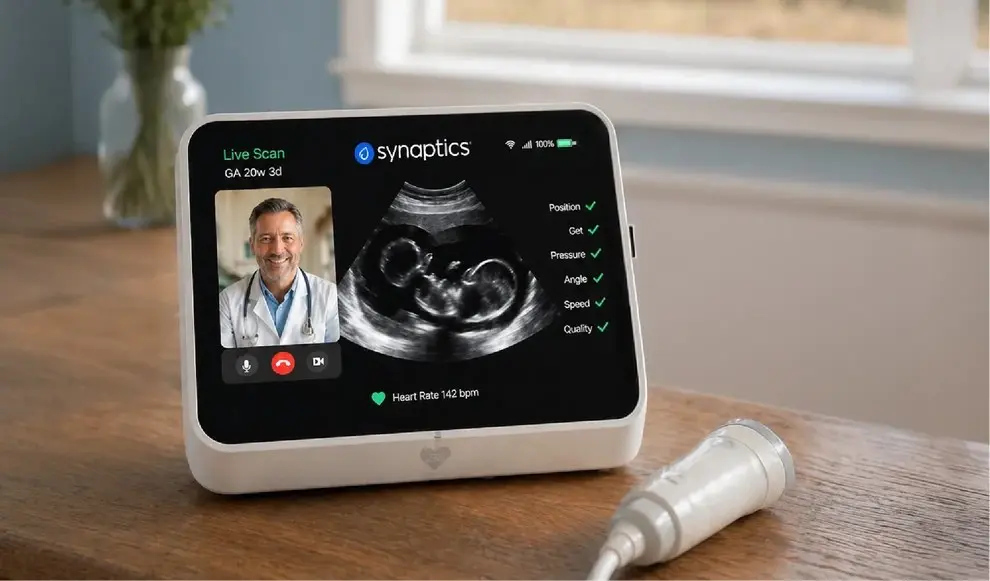
In these isolated areas, the lack of nearby medical facilities can lead to anxiety and uncertainty for pregnant women. Traditional prenatal care often requires long trips to hospitals, which can be both time-consuming and stressful. To address this issue, researchers are developing AI-powered home ultrasound devices that allow patients to perform checks on their own. These devices aim to empower women with the ability to monitor their pregnancies more closely and independently.
The concept behind these AI-enabled ultrasound probes is to provide reliable medical imaging in the comfort of home. Equipped with advanced algorithms, these devices can analyze ultrasound images and deliver real-time feedback to users. This technology could significantly reduce the need for frequent hospital visits and alleviate the anxiety of expectant mothers living far from healthcare providers.
Can AI Revolutionize Remote Healthcare Delivery?
Experts believe that these devices could transform prenatal care, especially in underserved regions. By enabling women to conduct their own assessments, the technology not only improves access but also fosters a sense of control over their health. As the demand for innovative healthcare solutions grows, this approach represents a promising step toward addressing the disparities faced by those in medical deserts.
The potential of AI in healthcare extends beyond maternal care. With the ability to analyze complex data quickly, AI can assist in diagnosing various conditions and providing personalized treatment recommendations. The integration of such technology in medical devices could enhance patient outcomes across numerous specialties.
However, challenges remain. Ensuring the accuracy and reliability of these devices is crucial. There are concerns about the training required for users, as well as the need for robust regulatory frameworks to ensure safety and efficacy. As researchers continue to refine these technologies, the hope is to create a system that seamlessly integrates AI into everyday healthcare practices.
Frequently Asked Questions
The development of AI-guided ultrasound devices could reshape the landscape of maternal healthcare, especially in remote areas. By making essential monitoring tools accessible, these innovations may lead to improved health outcomes for mothers and their babies. As technology advances, the goal is to create a future where healthcare is within reach for everyone, regardless of their location.
How do AI-enabled ultrasound devices work? These devices use advanced algorithms to analyze ultrasound images and provide real-time feedback to users, allowing them to monitor their pregnancies at home.
What impact could this technology have on maternal health? By improving access to prenatal care, these devices can empower women in rural areas, reduce anxiety, and potentially improve health outcomes for mothers and babies alike.