How XeSS 3's Multi-Frame Generation Works in Practice
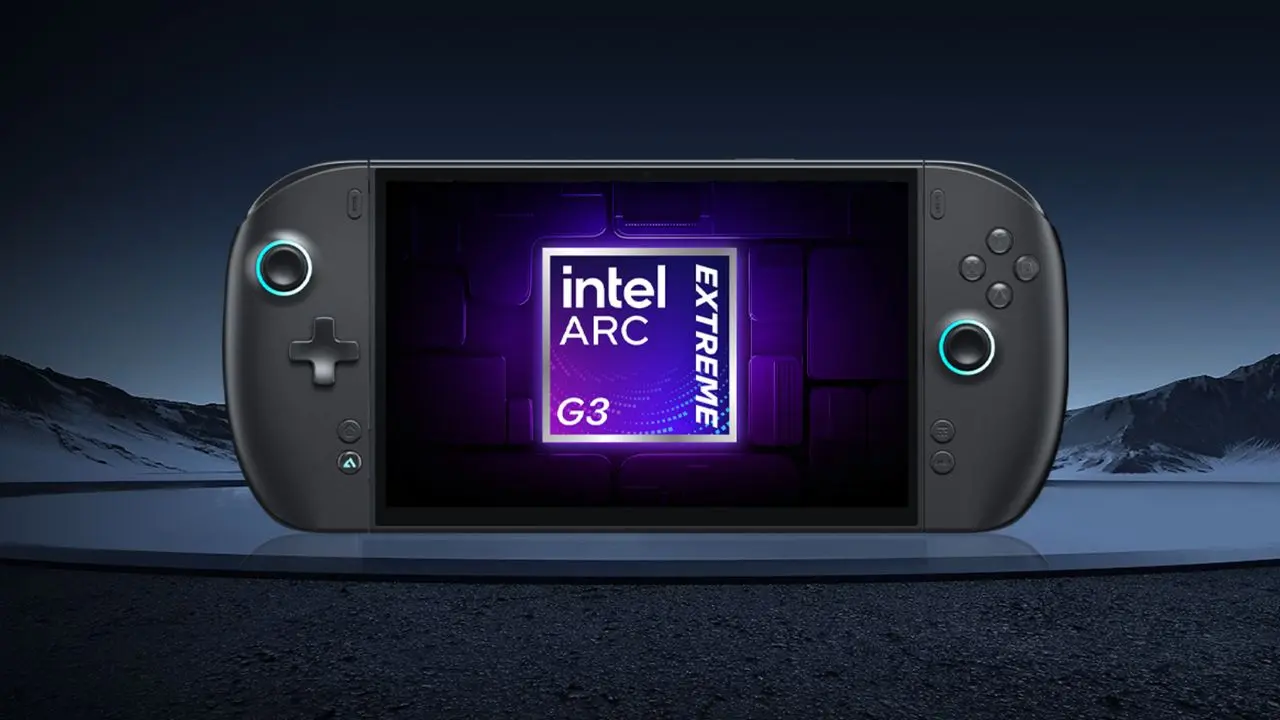
Several new handheld gaming PCs powered by Intel's Arc G3 graphics and XeSS 3 technology are set to launch, offering notable performance gains through Multi-Frame Generation. Devices like the MSI Claw 8 EX AI+, Acer Predator Atlas 8, and OneXPlayer 3 represent the first wave of hardware leveraging this updated upscaling and frame generation suite. Announced months after Intel's initial XeSS 3 rollout, these systems aim to deliver smoother gameplay in demanding titles by generating additional frames artificially. However, the advanced technology comes at a premium, raising concerns about accessibility for mainstream gamers despite the performance benefits advertised by manufacturers.
Breaking news
 Town AI Secures $108 Million Series B, Valued at $1 Billion After $55 M Pre‑Series
 Apple Prepares for Major Product Launch Event on October 28
 Apple Releases Release Candidates for watchOS, tvOS and visionOS 27.2
 Apple Limits iPhone Duo and iPhone 18 Pro Max to Reservation-Only Sales in Japan and South Korea
XeSS 3's Multi-Frame Generation (MFG) creates intermediate frames between rendered ones, effectively boosting perceived frame rates without requiring the GPU to compute each frame fully. This technique relies on AI-driven motion vectors and temporal data to predict and insert new frames, reducing strain on the hardware while maintaining visual fidelity. Intel claims MFG can significantly increase frame rates in supported games, particularly when combined with XeSS upscaling. Early demonstrations suggest the technology helps handhelds achieve smoother experiences in graphically intensive scenarios where native performance might otherwise struggle. The integration into dedicated handheld form factors marks a shift from earlier XeSS implementations focused primarily on laptops and desktops.
Can Gamers Justify the Cost of These Premium Devices?
Despite the performance promises, the projected pricing for these Arc G3 handhelds places them well above typical consumer budgets. The MSI Claw 8 EX AI+, Acer Predator Atlas 8, and OneXPlayer 3 are expected to carry premium price tags due to their advanced components and new technology integration. This cost barrier may limit adoption to enthusiasts willing to pay extra for cutting-edge features, potentially leaving mainstream users reliant on older or less powerful alternatives. Manufacturers argue that the combination of Intel's latest Arc architecture, XeSS 3 MFG, and optimized handheld design justifies the expense by delivering console-like performance in a portable package. Yet, without broader affordability, the real-world impact of this technology could remain constrained to a niche segment of the gaming market.
What is XeSS 3's Multi-Frame Generation and how does it improve gaming? XeSS 3's Multi-Frame Generation uses AI to create additional frames between rendered ones, increasing smoothness and perceived performance without overworking the GPU. It works alongside upscaling to enhance visual quality and frame rates in supported games.
Frequently Asked Questions
Why are Intel Arc G3 handhelds expected to be expensive? These devices incorporate new Intel Arc G3 graphics, XeSS 3 with MFG, and premium handheld designs, all contributing to higher production costs that manufacturers pass on to consumers through elevated retail prices.
Which specific handhelds are using Intel's Arc G3 and XeSS 3 technology? The MSI Claw 8 EX AI+, Acer Predator Atlas 8, and OneXPlayer 3 are confirmed models set to launch with Intel Arc G3 graphics and XeSS 3's Multi-Frame Generation capabilities.