The system learns from user behavior to improve accuracy over time
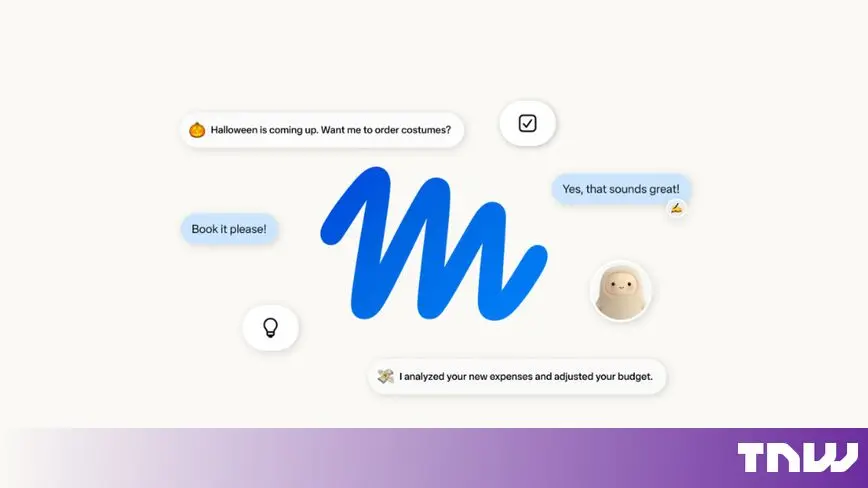
Meta has introduced Muse, a new personal AI agent designed to read emails, book travel, fill forms, negotiate deals, and make payments using a user’s card. The tool aims to automate everyday digital tasks by acting as an autonomous assistant within Meta’s ecosystem. Announced recently, Muse represents Meta’s push into proactive AI that works on behalf of users across services. Muse operates by accessing user data such as emails and calendars to anticipate needs and execute actions like reserving flights or purchasing items. It uses generative AI to interpret requests, interact with websites, and complete transactions securely. Meta says the agent is built with privacy controls, allowing users to review and approve actions before finalization.
Breaking news
 London-based CloudNC raises €17.2 million to scale AI-powered precision machining
 AI Hardware Weekly: Chip Efficiency, Digital Twins, and Mobile Vision Models Lead September Discussions
 Google DeepMind alumni launch startup to build fusion control systems
 AI Safety Researcher Quits, Warns Labs Racing Toward Dangerous Superintelligence
The system learns from user behavior to improve accuracy over time. How Muse Handles Sensitive Tasks Like Payments and Negotiations Muse can negotiate prices or terms on behalf of users when booking services or making purchases, then complete the transaction using stored payment details. Meta emphasizes that all financial actions require explicit user consent and are protected by encryption and authentication layers. The agent does not store card details permanently but uses secure tokens for each transaction. Users receive real-time notifications for every action Muse takes, ensuring transparency. What Safeguards Are in Place to Prevent Misuse? To prevent unauthorized activity, Muse includes multi-step verification for high-risk actions like payments or contract agreements. Users can set spending limits, define approval workflows, and audit the agent’s activity history. Meta states that Muse adheres to its AI responsibility framework, which includes bias testing and data minimization principles.
The company says it will not use data from Muse interactions to train its advertising models without separate consent. Frequently Asked Questions How does Muse differ from other AI assistants? Unlike general chatbots, Muse is designed to perform real-world actions like booking and paying, not just answer questions. It integrates directly with services and acts autonomously under user supervision. Can I use Muse without sharing my email or calendar? No, Muse requires access to personal data like emails and schedules to function effectively, though users can restrict permissions at any time. Will Muse work outside Meta’s platforms? Initially, Muse is optimized for use within Meta’s apps and partner services, but Meta plans to expand compatibility with third-party websites and tools over time.