Price Pressure Spreads Across All Electronics
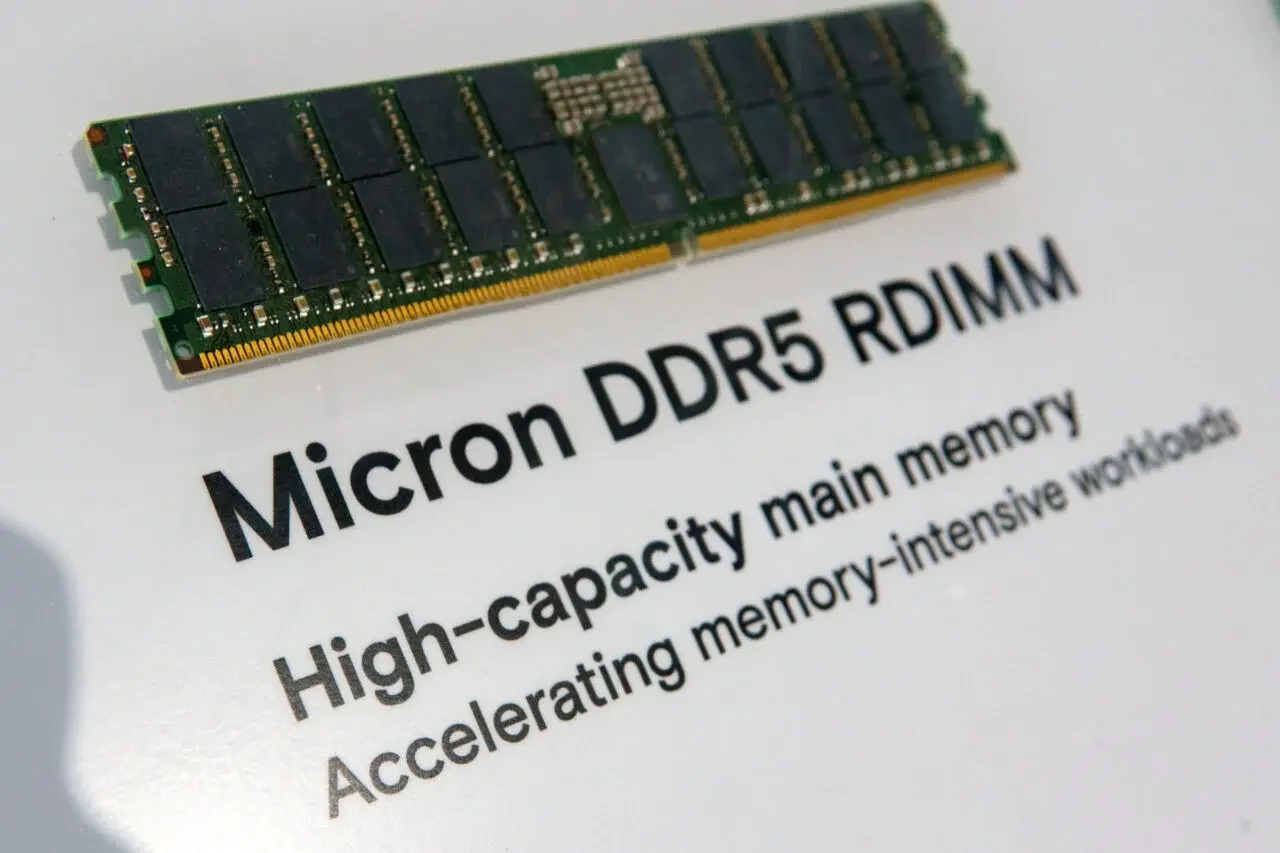
Micron Technology reported a stunning 343% year-over-year increase in DRAM revenue, driven by soaring artificial intelligence demand and record-high memory prices. The Idaho-based semiconductor giant, the sole U. S. producer of high-bandwidth DRAM, saw its fortunes reverse dramatically from last year's losses.
Breaking news
 Google Unveils Gemini 4 Argon as Next-Generation AI Model
 Google AI Revenue Pilot Leaves Publishers Confused Over Payouts
 London Startup Launches With Millions to Track Orbital Debris
 Sofia-Based LAUNCHub Ventures Raises €65 Million for Third Investment Fund
The surge stems from a perfect storm of factors. AI chip demand has skyrocketed, requiring massive amounts of high-performance memory. Simultaneously, global RAM shortages have pushed prices to unprecedented levels, making memory one of the most expensive PC components. Device manufacturers, facing supply constraints, are even marketing older laptops with just 8GB of RAM to cope with costs.
This memory crunch affects virtually every gadget requiring RAM, from smartphones to servers. The shortage began intensifying as cloud providers raced to stockpile AI training hardware, creating bottlenecks that ripple through the entire supply chain. Consumers now face significantly higher prices for new devices as manufacturers pass along memory costs.
Industry analysts note that Micron's turnaround represents one of the most dramatic recoveries in recent semiconductor history. The company previously struggled with oversupply and declining prices, but the AI boom has fundamentally shifted market dynamics.
Can This Growth Momentum Continue?
Looking ahead, Micron's trajectory depends heavily on sustained AI investment. While current conditions favor memory suppliers, questions remain about long-term pricing stability and potential market corrections.
The company's success highlights how AI development is reshaping entire technology sectors, creating winners and losers based on supply chain positioning. As AI adoption accelerates globally, memory demand is expected to remain robust through at least 2025.
Why did Micron's DRAM revenue jump so dramatically?
The 343% increase resulted from record-high memory prices combined with surging AI chip demand. Artificial intelligence training requires enormous amounts of high-bandwidth memory, creating unprecedented demand that Micron's U. S. manufacturing capacity helps fulfill.
Frequently Asked Questions
How is the RAM shortage affecting consumers?
Consumers face higher device prices as manufacturers absorb expensive memory components. Some companies are marketing older laptops with minimal 8GB configurations to maintain competitive pricing while managing supply constraints.
What drives long-term memory demand growth?
AI development remains the primary growth driver, with cloud providers and enterprises investing heavily in training infrastructure. Data center expansion and edge computing applications also contribute to sustained memory requirements across multiple industries.</</p>