Translating Protocol Intent Across Silicon Boundaries
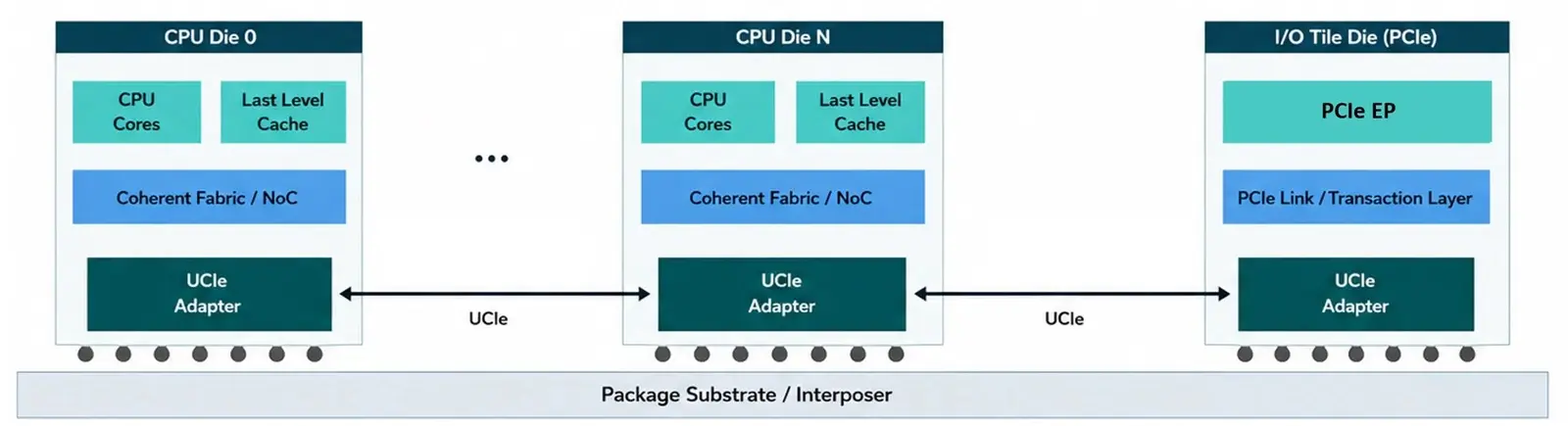
Modern chiplet architectures are completely transforming high-performance computing by allowing designers to split complex system functions across multiple smaller dies within a single advanced package. This modular approach significantly improves overall manufacturing yield, design flexibility, and power efficiency compared to traditional monolithic processor designs. At the same time, PCI Express remains a vital industry standard for high-speed peripheral communication and system interconnects.
Breaking news
 Google Unveils Gemini 4 Argon as Next-Generation AI Model
 Google AI Revenue Pilot Leaves Publishers Confused Over Payouts
 London Startup Launches With Millions to Track Orbital Debris
 Sofia-Based LAUNCHub Ventures Raises €65 Million for Third Investment Fund
Integrating these two powerful technologies requires translating standard protocol intent directly into efficient die-to-die physical activity across the package boundary. Engineers must carefully manage intricate link-state transitions to ensure that high-speed data transactions occur seamlessly without causing performance bottlenecks or synchronization errors.
How Do Link-State Transitions Impact Multi-Die Performance?
As multi-die systems become the industry norm, the physical layer must support complex handshake protocols and rapid power state changes seamlessly. Chiplets rely on advanced interconnect standards to bridge the gap between traditional bus architectures and ultra-short-reach die-to-die communication channels.
Designers face significant challenges when maintaining low latency while routing high-bandwidth traffic across separate silicon substrates within the same package enclosure. Every transition between active and low-power states demands precise timing coordination to prevent dropped packets or communication stalls.
Frequently Asked Questions
Rapid link-state shifts directly influence thermal output and power consumption, making efficient state management crucial for modern system reliability. When transacting data across modular boundaries, even minor delays in state recovery can accumulate and degrade overall throughput significantly.
The successful convergence of these interface standards will ultimately determine the scalability of future multi-core processors and specialized accelerators. As packaging technologies continue to evolve, engineers must refine these interconnect strategies to support increasingly demanding workloads.