The Shift From Non-Profit to For-Profit
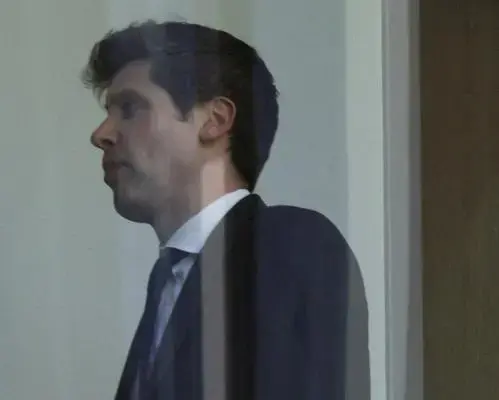
Elon Musk testified Wednesday in a San Francisco courtroom. He’s suing OpenAI, alleging the company abandoned its original non-profit mission. Musk claims he provided early funding based on a promise of open-source AI development. The trial pits Musk against OpenAI CEO Sam Altman.
Breaking news
 Town AI Secures $108 Million Series B, Valued at $1 Billion After $55 M Pre‑Series
 Apple Prepares for Major Product Launch Event on October 28
 Apple Releases Release Candidates for watchOS, tvOS and visionOS 27.2
 Apple Limits iPhone Duo and iPhone 18 Pro Max to Reservation-Only Sales in Japan and South Korea
Musk reiterated claims that Altman misrepresented OpenAI’s intentions. He described OpenAI as a charity he foolishly funded. He believes the company prioritized profit over safety. Musk repeatedly warned of potential dangers from unchecked artificial intelligence. He stated Altman „stole a charity” and is now endangering humanity.
Musk’s lawyers are framing him as a visionary. They portray him as a key figure in the early development of AI safety measures. They argue OpenAI’s transition to a for-profit company violated agreements made with Musk and other initial investors. Musk initially invested $50 million in 2016, believing OpenAI would remain dedicated to open-source research. He alleges Altman secretly altered the company’s direction.
Could OpenAI Have Kept Its Original Promise?
Musk detailed his concerns about the potential risks of powerful AI. He believes unrestricted AI development could pose an existential threat. He emphasized the importance of ensuring AI benefits all of humanity, not just a select few. He suggested OpenAI’s current path contradicts these principles. His testimony focused heavily on the initial understanding of OpenAI’s purpose.
Altman’s legal team is expected to argue the shift was necessary. They will likely contend that a for-profit structure allowed OpenAI to attract the capital needed to compete. Developing advanced AI requires significant financial resources. They may also argue that the original agreements allowed for such a transition under certain conditions.
Musk’s testimony revealed his frustration with OpenAI’s current trajectory. He expressed regret over his financial contribution. He believes he was misled about the company’s long-term goals. The case hinges on interpreting the original agreements and determining whether OpenAI breached its fiduciary duty to Musk. The outcome could have significant implications for the future of AI development.
Frequently Asked Questions
The trial’s conclusion could set a precedent. It might influence how AI companies balance innovation with ethical considerations. A ruling in Musk’s favor could force OpenAI to restructure. It could also discourage future investment in AI if investors fear a lack of transparency. The case highlights the growing tension between open-source ideals and commercial interests in the rapidly evolving AI landscape.
What exactly is Elon Musk alleging OpenAI did wrong? Musk claims OpenAI abandoned its original non-profit mission to develop AI safely and openly. He believes the company secretly transitioned to a for-profit model, prioritizing profits over safety concerns and violating agreements with early investors like himself.
Why did Musk initially invest in OpenAI? Musk invested $50 million in 2016 because he believed in OpenAI’s stated goal of creating beneficial AI. He wanted to ensure AI development was guided by ethical principles and served the interests of humanity, not just a single company's bottom line.