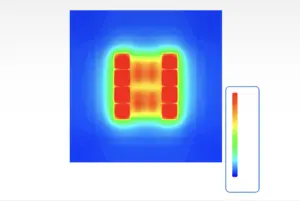
Precision Engineering for Dense Architectures
Engineers are adopting advanced thermal simulation techniques to manage extreme power densities in modern AI accelerators. As these high-performance computing devices frequently surpass 1 watt per square millimeter, designers must address critical overheating risks during the early floorplanning stage. This shift ensures that complex 2.5D package architectures remain stable and efficient.
Breaking news
 Canonical’s Web Presence Hit by Second DDoS Assault This Year
 Loops AI Secures $3.5 Million to Power a New AI Operating System for E‑Commerce
 Winverse AI Secures Tens of Millions in Seed Funding from DeepSeek and Long‑Z
 Google Adds Pixel 9 Series to Certified Refurbished Store
Modern AI hardware integrates powerful ASICs alongside multiple high-bandwidth memory stacks. This dense configuration forces thermal management to its absolute physical limit. Traditional design methods often fail to account for the intricate interactions between memory modules and processing units. New simulation models now provide high-fidelity data at speeds compatible with rapid floorplanning workflows.
Can Thermal Simulation Keep Pace With Future AI Growth?
The integration of eight to sixteen memory stacks within a single package creates significant localized hotspots. These temperature spikes can degrade performance or lead to permanent hardware failure if left unmanaged. By simulating thermal behavior early, developers can optimize the placement of components before finalizing the physical layout. This proactive approach prevents costly redesigns and improves overall system reliability.
Engineers use these tools to perform co-optimization of both the die and the package. They can evaluate how different materials and structural arrangements dissipate heat across the entire assembly. This level of granular analysis is essential for maintaining the integrity of high-performance systems. It allows teams to balance power efficiency with the extreme demands of modern artificial intelligence workloads.
The demand for faster, more powerful chips shows no signs of slowing down. As power densities continue to climb, the ability to predict and mitigate thermal issues will become a defining factor in semiconductor success. Advanced simulation will remain the primary defense against the physical limitations of silicon. Future designs will rely on these automated insights to push the boundaries of what AI hardware can achieve.
Frequently Asked Questions
Why is thermal management critical for 2.5D AI packages? These packages combine high-power processors with dense memory stacks, creating intense heat. Without precise management, these hotspots can cause system failure or reduced performance.
How does early-stage simulation benefit chip designers? It allows engineers to identify and resolve thermal bottlenecks during the floorplanning phase. This reduces the need for expensive late-stage design changes and ensures higher reliability.