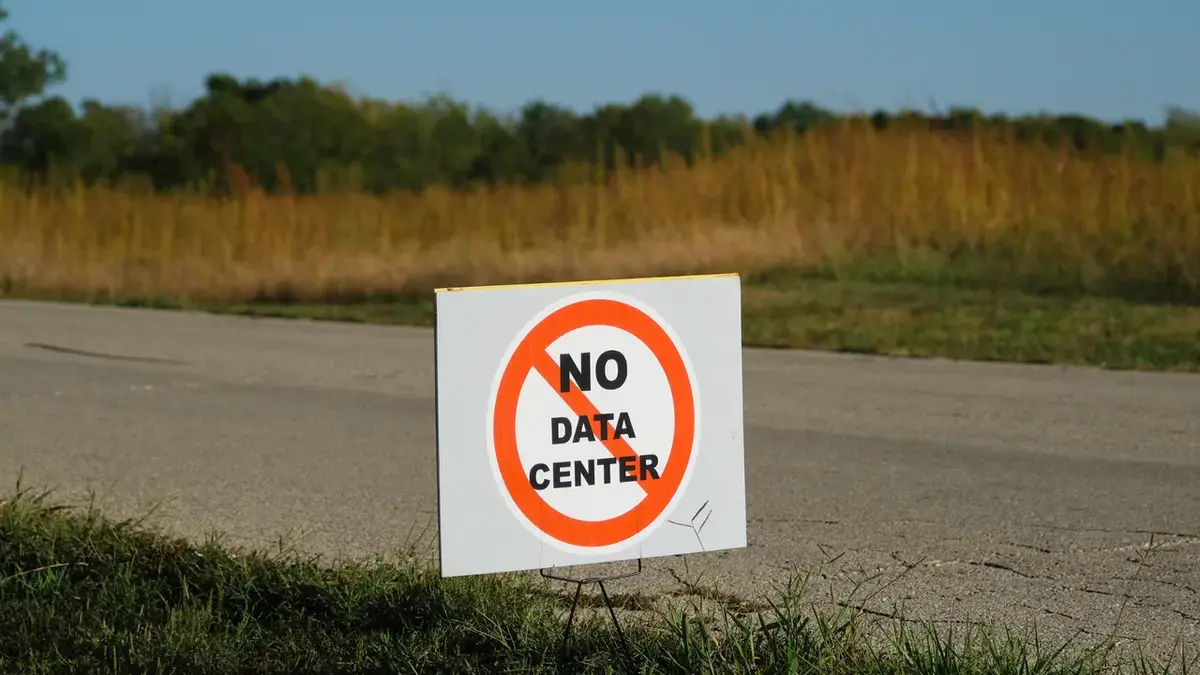
Why Are Communities Pushing Back Against AI Data Centers?
Local and state officials across the United States are confronting a surge in violent threats and armed incidents tied to the expansion of artificial intelligence data centers, with more than 500 municipalities implementing restrictions on new construction. Reports indicate that public officials have received death threats, experienced gunfire near meeting venues, and faced intimidation campaigns as debates over land use, energy consumption, and environmental impact intensify. The threats have persisted since April, prompting heightened security measures at town halls and planning commission sessions where data center proposals are reviewed.
Breaking news
 Town AI Secures $108 Million Series B, Valued at $1 Billion After $55 M Pre‑Series
 Apple Prepares for Major Product Launch Event on October 28
 Apple Releases Release Candidates for watchOS, tvOS and visionOS 27.2
 Apple Limits iPhone Duo and iPhone 18 Pro Max to Reservation-Only Sales in Japan and South Korea
The escalation follows growing public concern over the strain AI infrastructure places on local power grids and water resources, particularly in regions already facing drought or aging utility systems. Critics argue that data centers consume vast amounts of electricity and cooling water without delivering proportional local economic benefits, while proponents emphasize job creation and technological advancement. In several cases, anonymous online posts have named specific officials, accompanied by veiled warnings of physical harm if projects proceed. Law enforcement agencies in multiple states have opened investigations into the threats, though no arrests remain rare due to the anonymous nature of much of the online activity.
What Steps Are Officials Taking to Ensure Safety?
Residents in affected towns often cite noise pollution, increased traffic, and the visual impact of large-scale facilities as immediate concerns, but deeper anxieties revolve around long-term sustainability. In Arizona and Texas, where several major tech firms have proposed campuses, water usage has become a flashpoint, with some data centers requiring millions of gallons daily for cooling. Local officials report being caught between corporate promises of investment and constituent fears about resource depletion. One county commissioner in Georgia described receiving a voicemail threatening to „show up at your home” after voting to delay a permit, highlighting how personal the opposition has become. Tech companies maintain that modern facilities use recycled water and renewable energy, but skeptics say those claims are often unverified until after construction begins.
In response to the threats, some municipalities have moved public hearings to secure facilities or shifted to virtual formats to protect participants. Others have hired private security or requested increased patrols from state police during comment periods. A coalition of mayors in the Midwest has called for federal guidelines on managing public dissent around critical infrastructure projects, arguing that local leaders should not bear the burden of security alone. Meanwhile, data center developers say they are increasing community outreach efforts, including town halls and environmental impact summaries, to build trust before formal applications are submitted. Despite these measures, the tension shows little sign of easing as AI demand continues to drive rapid expansion.
Why are officials receiving death threats over data centers? Officials are being targeted due to public anger over perceived environmental risks and lack of transparency, with some threats stemming from misinformation or frustration over limited opportunities to voice concerns during planning processes.
Frequently Asked Questions
Are the threats linked to specific companies or projects? While no single company has been universally implicated, threats have emerged in areas where major tech firms have announced large-scale AI data center plans, particularly in states with lax regulatory oversight or water scarcity.
What restrictions are towns imposing on data center builds? Over 500 towns have enacted moratoriums, zoning changes, or heightened permitting requirements, often requiring additional studies on water use, energy consumption, and traffic impact before approval can proceed.