Redesigning the Silicon Power Grid
Data centers worldwide are confronting a major energy crisis as modern artificial intelligence workloads push server processors past their traditional limits, forcing a complete redesign of how electricity is delivered to silicon chips.
Breaking news
 Trump Orders Federal Agencies to Adopt „Super Intelligence” Terminology
 The Silicon Valley Accountability Gap
 Running a Local AI Model on a Phone Handles Most Chat Prompts
 Google Photos Could Soon Offer a Fresh Start with Ask Photos Feature
The exponential growth of machine learning applications has triggered unprecedented electrical demands inside server farms. Traditional power distribution networks struggle to maintain stable voltages when processors experience sudden, massive spikes in computing activity.
Designers previously relied on wide safety margins, known as guard banding, to prevent hardware failures during peak loads. This cautious approach now wastes significant energy and restricts processors from achieving their maximum potential performance levels.
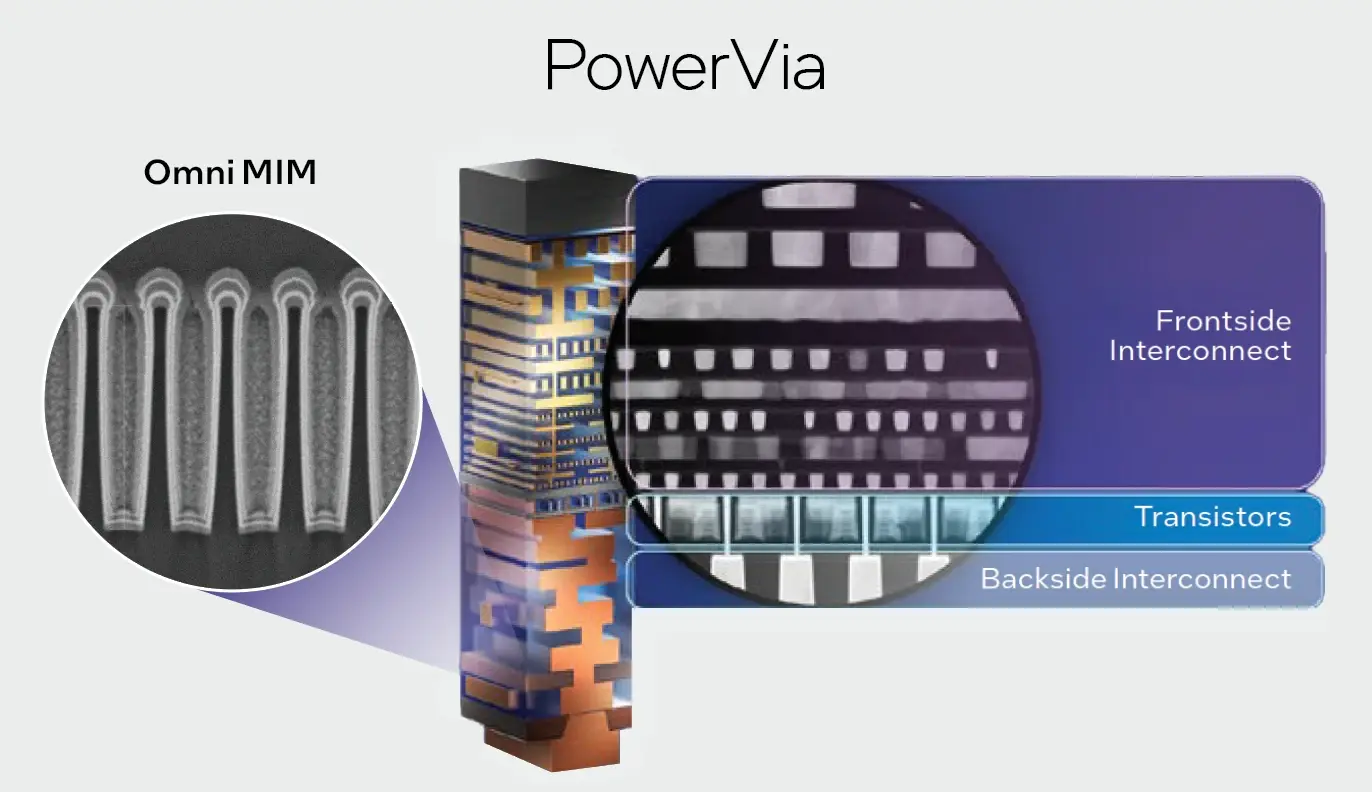
Engineers are moving power regulation components much closer to the main processor die. This physical proximity reduces electrical resistance and minimizes energy loss during transmission across the motherboard.
How Will Next-Generation Servers Handle AI Demands?
Advanced packaging techniques allow voltage regulators to sit directly beneath or beside the processing units. This architectural shift ensures faster response times when workloads fluctuate unpredictably throughout the day.
Manufacturers are implementing innovative materials and vertical power delivery methods to bypass traditional routing limitations. These changes allow current to flow more directly into the core silicon without thermal throttling.
The industry-wide transition aims to eliminate excessive safety margins entirely. Hardware can operate safely near its absolute physical limits without risking catastrophic burnout or data corruption.
Frequently Asked Questions
Data center operators anticipate substantial efficiency gains once these advanced power delivery systems become standard in upcoming server generations. Reducing wasted electricity will lower operational costs and help facilities manage mounting thermal constraints in densely packed racks.
What caused the current crisis in chip power delivery? The massive surge in artificial intelligence and machine learning workloads has created unprecedented electrical demands and sudden voltage spikes inside modern servers.
Why were safety margins reduced? Traditional safety margins wasted significant energy and restricted microprocessors from operating at their true performance capacity during heavy computing tasks.
How do engineers solve electrical resistance problems? Engineers now place voltage regulation components much closer to the processor die and utilize advanced packaging methods to shorten the electrical path.