
Industry Leaders Align on Regulatory Urgency
Leading artificial intelligence companies OpenAI and Anthropic appeared before British lawmakers to advocate for stronger regulatory frameworks. This parliamentary session took place on October 13, 2026, in London. The hearing brought together top AI executives alongside whistleblowers and senior security officials. They addressed the House of Lords regarding the rapid evolution of machine intelligence. The event marked a significant moment in the UK’s ongoing legislative process for digital governance.
Breaking news
 New Android Beta Brings Advanced Pixel Diagnostic Tools
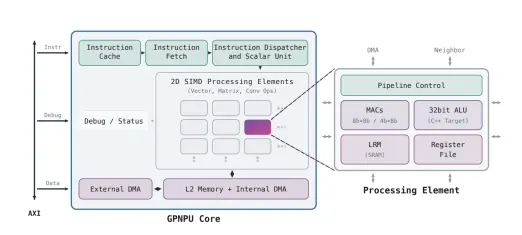 Unified Processing Architecture Targets Rapid Generative AI Evolution
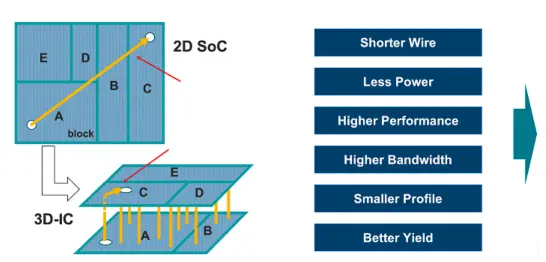 Modern Chiplet Architectures Drive Advanced IC Packaging Innovations
 ASML Faces Shortfall in Chip Tool Supply for 2027‑28
The joint appearance highlighted a unified front among major tech firms. These companies argued that current oversight mechanisms are insufficient for the scale of their operations. Whistleblowers provided firsthand accounts of internal safety concerns within the industry. Security leaders emphasized the urgent need for standardized protocols. The combination of voices created a compelling case for immediate legislative action. Lawmakers listened to detailed testimonies about model capabilities and potential risks.
The testimony revealed a shared belief that voluntary guidelines are no longer adequate. OpenAI representatives outlined specific technical safeguards they have implemented. Anthropic officials discussed their approach to risk assessment and transparency. Both companies stressed that regulation would provide clarity for future development. They argued that clear rules help businesses plan long-term strategies. This stance contrasts with earlier industry preferences for light-touch oversight. The shift indicates growing recognition of systemic risks in advanced AI systems.
Can New Rules Keep Pace With Rapid Innovation?
Whistleblowers added a critical dimension to the debate. They described pressure to prioritize speed over safety checks. Their accounts supported the argument for independent auditing powers. Security experts warned about the dual-use nature of AI technologies. They explained how powerful models could enhance both defensive and offensive capabilities. The session concluded with a call for a dedicated statutory framework. This would grant regulators clear authority to inspect and enforce standards.
A key challenge remains the speed of technological change. Critics worry that strict laws might slow down beneficial innovation. However, proponents argue that stability encourages investment. The UK government faces pressure to balance these competing interests. International coordination is also essential to prevent regulatory arbitrage. Companies may relocate if domestic rules become too burdensome. The parliamentary committee must weigh these factors carefully.
Frequently Asked Questions
Why did OpenAI and Anthropic testify together? They presented a coordinated strategy to support robust AI legislation. Joint testimony strengthens their collective argument for consistent regulatory standards across the sector.
What role did whistleblowers play in the session? Whistleblowers provided evidence of internal safety debates within AI labs. Their insights helped illustrate the gap between public promises and private practices.
How does this affect UK AI policy? The session signals strong political momentum for new binding regulations. It sets the stage for drafting specific bills in the coming months.