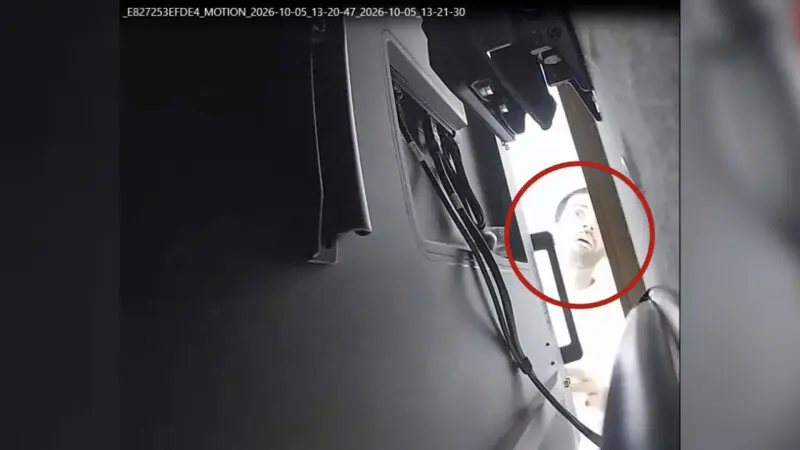
How the Devices Were Discovered
A former OpenAI engineer, Abdulrahman Alfozan, 35, has been charged by the U. S. Department of Justice with attempting to intercept oral communications. The indictment alleges that Alfozan secretly installed a covert recording device in an executive conference room at OpenAI’s headquarters in San Francisco. The device was reportedly hidden in a roll of toilet paper. When security personnel discovered the device, they found a second recorder in Alfozan’s bag. The charges were filed on Tuesday, following an investigation that began after the company’s internal security team noticed unusual electronic activity in the meeting room.
Breaking news
 AI Models Can Be Easily Modified to Assist Terrorist and Extremist Activity
 The New Era of Autonomous Software Engineering
 Qualcomm Wins Legal Battle Against Arm But Award Is Minimal
 The Illusion of AI Expertise Among Men
The investigation revealed that the first device was a miniature audio recorder that could transmit signals to a nearby television. The second device, found in Alfozan’s possession, was a similar covert recorder. According to court documents, the devices were intended to capture conversations among senior executives during confidential meetings. Alfozan was a software engineer at OpenAI, a company known for its advanced artificial intelligence research. The DOJ claims that the engineer’s actions violated federal wire‑tapping statutes and the Computer Fraud and Abuse Act. The indictment also alleges that Alfozan had a history of accessing sensitive company data, raising concerns about insider threats within the tech industry.
What This Means for Insider Threats in Tech
Security staff at OpenAI’s San Francisco campus were alerted to the presence of a suspicious device after a routine audit of the executive conference room. During the inspection, a roll of toilet paper was found to be unusually thick, prompting further examination. The audit revealed a small, black recorder concealed within the paper. When the device was removed, a second recorder was located in Alfozan’s personal bag, which was seized by law enforcement. The company’s internal investigation confirmed that the devices were not part of any approved security equipment. The DOJ’s indictment states that the devices were capable of capturing audio and transmitting it to an external receiver, potentially allowing Alfozan to eavesdrop on high‑level discussions.
The case highlights the growing risk of insider threats in technology firms that handle sensitive data. Experts say that the use of covert recording devices in corporate environments is a serious violation of privacy and security protocols. „This incident underscores the importance of robust internal monitoring and employee vetting,” said a cybersecurity analyst. OpenAI’s leadership has pledged to strengthen its security measures and to cooperate fully with the investigation. The company also announced that it will conduct a comprehensive review of its physical security controls and employee access policies. The incident has prompted other tech firms to reassess their own security protocols, especially regarding the monitoring of conference rooms and other high‑traffic areas.
Will This Lead to Wider Legal Repercussions?
The charges against Alfozan could set a precedent for how insider espionage cases are prosecuted in the tech sector. Legal scholars argue that the case may prompt stricter enforcement of federal wire‑tapping laws and could lead to increased scrutiny of employee behavior in companies dealing with proprietary technology. If convicted, Alfozan faces up to 20 years in prison and significant fines. The outcome of the case may also influence corporate policies on employee monitoring and the use of surveillance equipment within offices. Industry leaders are watching closely to see how the legal system will balance privacy concerns with the need to protect sensitive information.
What exactly were the devices used for? The devices were covert audio recorders designed to capture conversations in an executive meeting room. They were allegedly intended to transmit the recordings to an external receiver.
Frequently Asked Questions
How did the company discover the devices? A routine security audit of the conference room revealed a roll of toilet paper that contained a hidden recorder. A second device was later found in the engineer’s bag during the investigation.
What are the potential legal consequences for Alfozan? He faces up to 20 years in prison and substantial fines under federal wire‑tapping and computer fraud statutes if convicted.