
Why the Award Was
A federal jury in Delaware ruled on October 14, 2026, that Arm breached its licensing agreement with Qualcomm and improperly interfered with the chipmaker’s business relationships. Despite the verdict favoring Qualcomm, the awarded damages amount to only two dollars, a symbolic sum far below what the company had sought. The case centered on disputes over royalty payments for Arm’s chip designs used in Qualcomm’s mobile processors.
Breaking news
 AI Models Can Be Easily Modified to Assist Terrorist and Extremist Activity
 The New Era of Autonomous Software Engineering
 The Illusion of AI Expertise Among Men
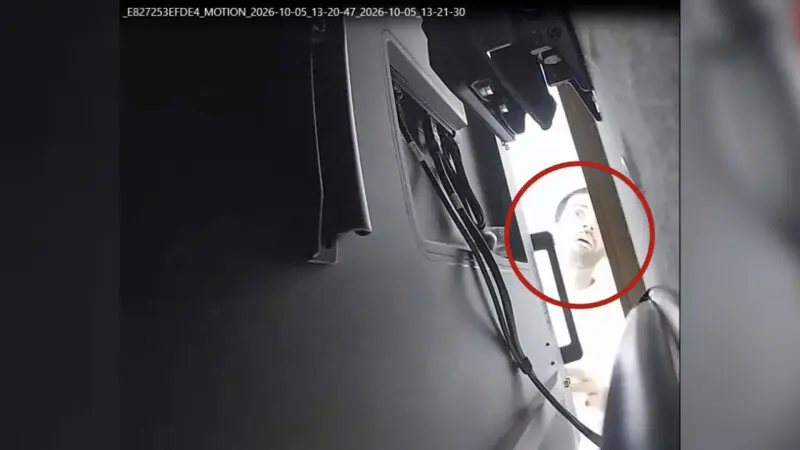 OpenAI Engineer Charged After Boardroom Bug Found Wrapped in Toilet Paper
Qualcomm had accused Arm of attempting to unilaterally increase royalty rates and restrict its ability to negotiate with other technology partners, claiming these actions violated their long-standing agreement. Arm, in turn, alleged that Qualcomm filed the lawsuit to avoid paying billions of dollars in owed royalties for its widely used processor architecture. The jury found merit in Qualcomm’s claims of breach and interference but determined that the financial harm did not justify a larger payout.
What Does This Mean for Future Licensing Deals?
Legal experts noted that while the jury agreed Arm had acted improperly, it likely concluded that Qualcomm failed to prove substantial monetary damages directly tied to the alleged interference. The two-dollar award suggests the court viewed the violation as technical rather than economically damaging in this instance. Qualcomm had originally sought compensation reflecting what it claimed were lost opportunities and increased costs due to Arm’s conduct.
The outcome may encourage other chipmakers to scrutinize their licensing terms with Arm more closely, particularly as competition in the semiconductor industry intensifies. Although the financial penalty is negligible, the ruling sets a precedent that Arm must adhere to contractual obligations and cannot unilaterally alter terms without risking legal challenges. Both companies continue to rely on each other’s technology, with Arm’s designs powering the majority of Qualcomm’s mobile chips.
Why did Qualcomm only receive two dollars in damages? The jury found that while Arm breached the agreement, Qualcomm did not demonstrate sufficient financial harm to warrant a larger award, resulting in a nominal damages amount.
Frequently Asked Questions
Does this ruling affect Arm’s royalty pricing model? The verdict does not directly change Arm’s pricing practices but reinforces that unilateral changes to licensing agreements may face legal scrutiny if they violate existing contracts.
Will Qualcomm and Arm continue working together? Yes, both companies have stated they intend to maintain their business relationship, as their technologies remain deeply interconnected in the global chip supply chain.