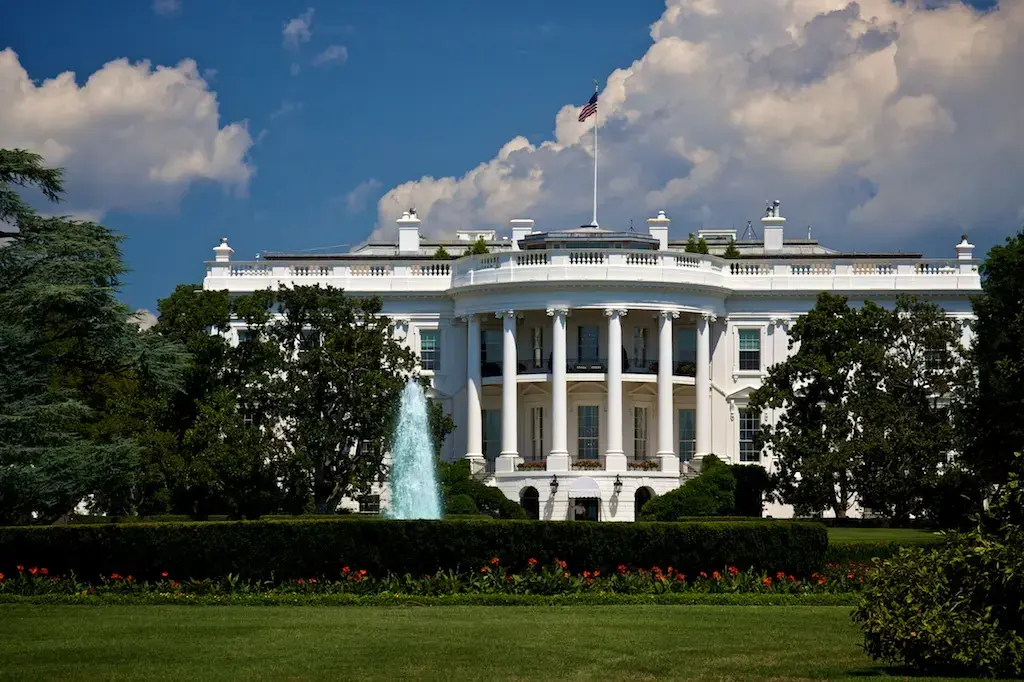
A New Framework for Oversight
OpenAI, a leading AI developer, published its plan for regulating powerful artificial intelligence this week. The proposal arrives alongside a recent executive order from the White House addressing the same concerns. It outlines a different, though related, path for oversight.
Breaking news
 OpenAI's Approach to EU Text Provenance Rules
 Tencent Secures Massive AI Chip Lease from Oracle in Southeast Asia
 AMD Preempts Nvidia RTX Spark Launch with Gorgon Halo Benchmarks
 Lenovo IdeaPad Slim 3i with 16GB RAM and Core i5 Processor Sees $400 Price Cut at Best Buy
OpenAI’s document focuses on „frontier AI,” referring to the most advanced and potentially disruptive AI models. The company advocates for a system of democratic governance. This involves collaboration between governments, industry, and civil society. It differs in emphasis from the White House’s order.
The core of OpenAI’s proposal is a tiered system of regulation. Less powerful AI systems would face fewer restrictions. As AI capabilities increase, so would the level of oversight. This approach aims to balance innovation with safety. It’s a departure from a one-size-fits-all regulatory model.
The company suggests establishing an independent safety agency. This agency would assess the risks posed by frontier AI. It would also develop and enforce safety standards. OpenAI believes this independent body is crucial for maintaining public trust. It would ensure responsible development and deployment.
Will Collaboration Be Enough?
The White House executive order takes a more direct approach. It directs federal agencies to develop and enforce AI safety standards. It also emphasizes national security concerns. While OpenAI acknowledges these concerns, its proposal prioritizes international cooperation. The company believes a global framework is essential.
OpenAI argues that AI development is a global endeavor. Therefore, regulation should be coordinated internationally. This would prevent a „race to the bottom,” where countries compete to attract AI development with lax safety standards. It also highlights the need for shared expertise and resources.
The differing approaches reflect fundamental philosophical differences. The White House emphasizes government control and national security. OpenAI prioritizes collaboration and a more flexible, tiered regulatory system. Both aim to mitigate the risks of advanced AI. However, they envision different paths to achieving that goal.
Frequently Asked Questions
The future of AI regulation remains uncertain. The debate between these two approaches will likely shape the landscape for years to come. Successful regulation will require ongoing dialogue and compromise. It will also demand a willingness to adapt to the rapidly evolving technology.
What is „frontier AI”? Frontier AI refers to the most powerful and advanced artificial intelligence models currently being developed. These systems possess capabilities that surpass existing AI and could have significant societal impacts.
How does OpenAI’s proposal differ from the White House order? OpenAI advocates for a tiered regulatory system and international collaboration. The White House order focuses on direct government control and national security. Both address AI safety, but through different mechanisms.
What is the role of the proposed independent safety agency? This agency would assess the risks of frontier AI, develop safety standards, and enforce those standards. It would operate independently of both governments and AI developers.