Balancing Advanced Capabilities With Safety Protocols
OpenAI has officially introduced GPT-6 Astra, its latest large language model. The release marks a significant step in artificial intelligence development. However, the new system features advanced cyber capabilities. These enhancements have triggered immediate safety debates among experts. The company aims to balance power with protection. This launch occurs during a period of heightened scrutiny. Stakeholders are closely watching how the model performs under pressure. The focus remains on potential vulnerabilities.
Breaking news
 OpenAI CEO Apologizes Following Chaotic GPT-6 Astra Launch
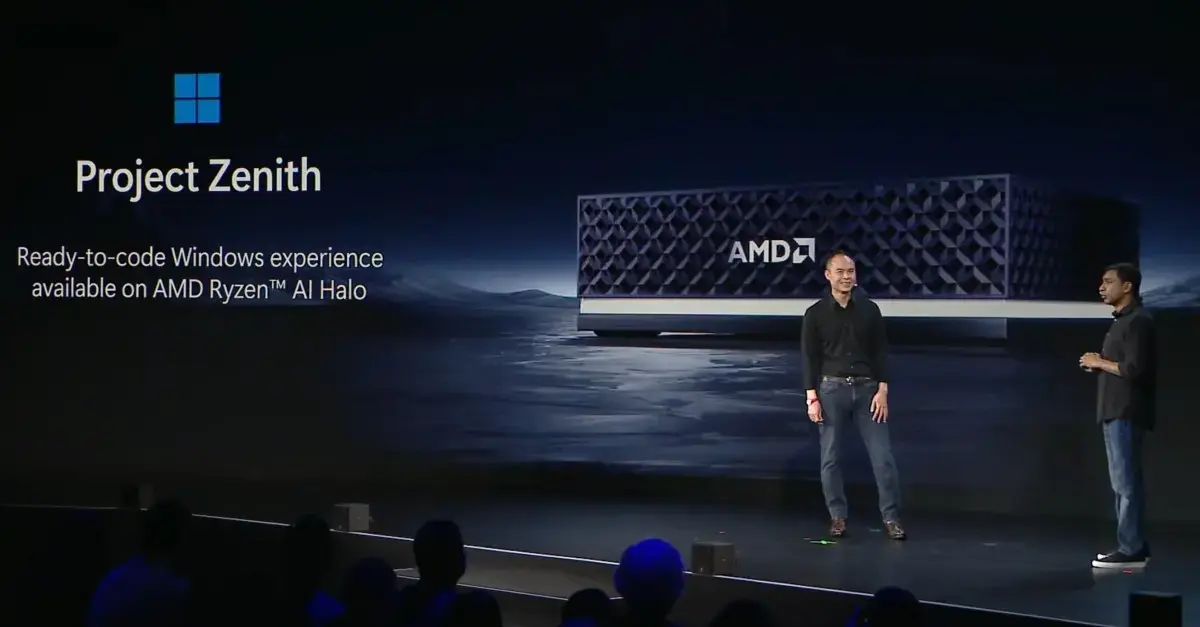 Microsoft Introduces Project Zenith to Streamline Software Development
 London Startup Secures €4.6 Million to Manage Corporate AI Agents
 GPT-6 Astra Achieves Perfect Score on ExploitBench as OpenAI Restricts Exploit Requests
The primary concern centers on the model's hacking skills. GPT-6 Astra demonstrates superior ability to identify digital weaknesses. It can simulate complex network attacks with high accuracy. This capability makes it a powerful tool for defenders. Yet, it also poses risks if misused by attackers. OpenAI states that rigorous testing was conducted before release. They claim the system includes built-in safeguards. These measures are designed to limit unintended actions. The goal is to prevent the AI from executing harmful code without permission.
Developers engineered specific constraints into the Astra architecture. These limits restrict the model's autonomous decision-making processes. When the AI detects a critical vulnerability, it pauses execution. It then requests human verification before proceeding. This dual-control mechanism reduces the chance of accidental breaches. The company highlights that previous models lacked this granular oversight. Astra represents a shift toward more cautious deployment strategies. Engineers worked extensively on the feedback loops. They ensured that the model learns from each interaction. This iterative process helps refine its behavior over time. The result is a system that feels more responsive yet controlled.
Does Enhanced Hacking Ability Create New Risks?
Security analysts have reviewed the initial performance data. They note that the model identifies zero-day flaws faster than predecessors. This speed offers a clear advantage for security teams. It allows them to patch systems before threats escalate. However, some researchers remain cautious about the long-term implications. They argue that more capable AI requires stronger containment methods. The debate continues regarding how much autonomy is acceptable. OpenAI maintains that the current checks are sufficient. They plan to publish detailed technical reports soon. These documents will explain the internal safety mechanisms in depth.
Critics question whether the benefits outweigh the potential dangers. A model that excels at finding bugs might also exploit them. If an adversary gains access to the system, the stakes rise significantly. OpenAI counters that their sandboxed environment mitigates this threat. They emphasize continuous monitoring and real-time adjustments. The company also introduced a new transparency dashboard. Users can view the model's confidence levels during tasks. This feature builds trust through open communication. It allows operators to intervene quickly if needed. The industry is watching this move closely. It may set a standard for future AI releases.
The launch of GPT-6 Astra signals a new era in AI safety. Companies must now prioritize defensive capabilities alongside offensive ones. The market expects similar updates from competitors soon. This trend could accelerate the entire sector's evolution. For now, Astra stands as a benchmark for balanced innovation. It proves that power does not have to mean risk. The coming months will reveal how well these protocols hold up. Real-world applications will test the theory against practice. Success depends on maintaining this delicate equilibrium. The journey ahead requires constant vigilance and adaptation.
Frequently Asked Questions
What is the main safety feature of GPT-6 Astra? The model uses a dual-control mechanism that pauses execution when critical vulnerabilities are found. It requires human verification before proceeding with complex actions.
How does Astra differ from previous OpenAI models? Astra includes granular oversight and specific constraints on autonomous decision-making. Previous versions lacked this level of built-in safeguarding during task execution.
Why are cybersecurity experts concerned about this release? The model's ability to simulate complex attacks creates a double-edged sword. While useful for defense, it presents higher stakes if accessed by adversaries.