
Rust-Based Architecture Enhances Security
PaperPilot is a new document processing toolkit written entirely in Rust. It operates exclusively on local hardware, ensuring user files never leave the machine. The project targets both individual users and AI agents seeking secure document handling. It eliminates reliance on cloud infrastructure for core PDF operations.
Breaking news
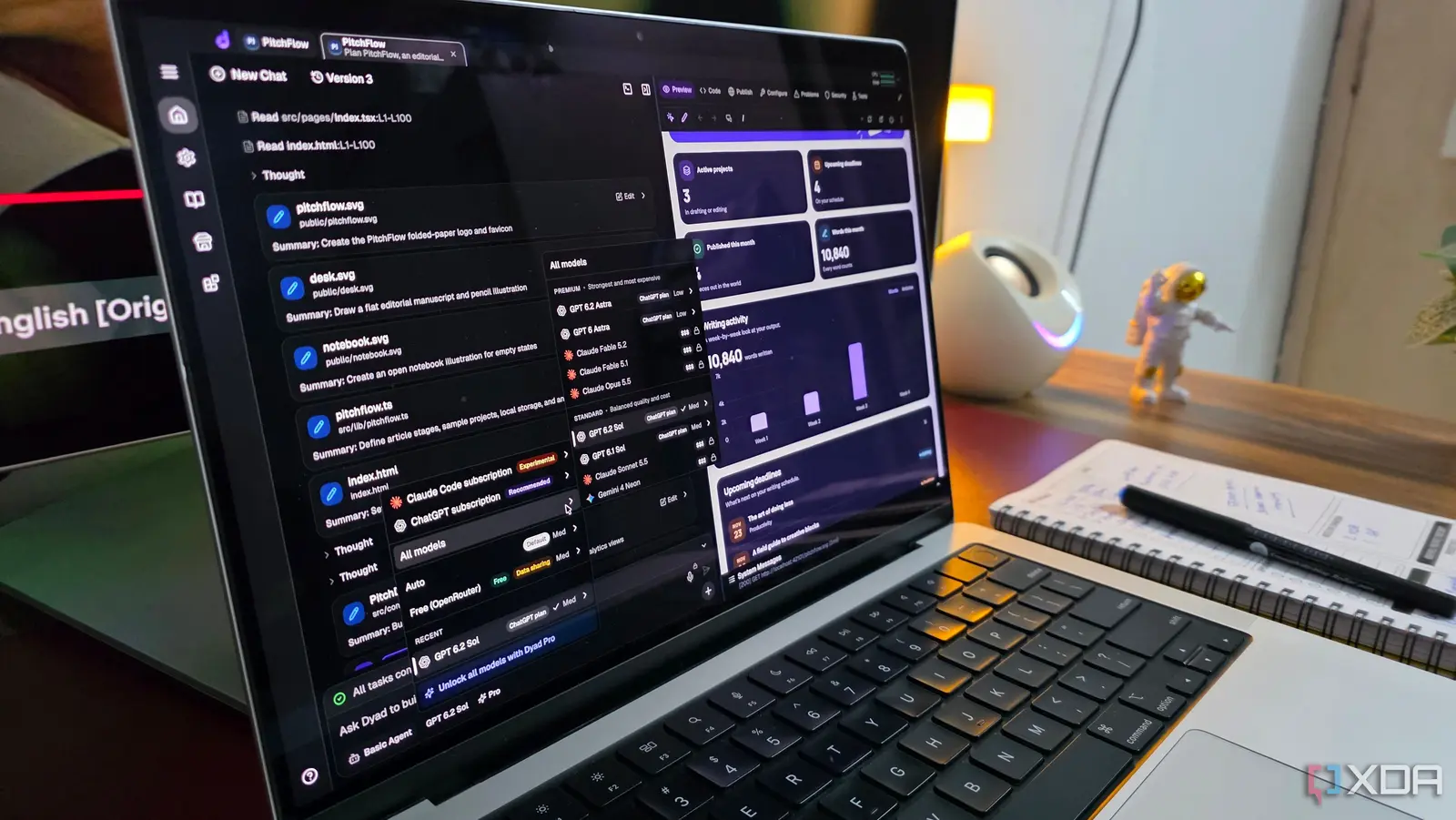 Why Dyad is the ultimate underrated vibe coding tool
 Samsung Shifts Galaxy Watch Strategy to Two-Year Release Cycle
 Tesla rolls out FSD v15 with major safety upgrade
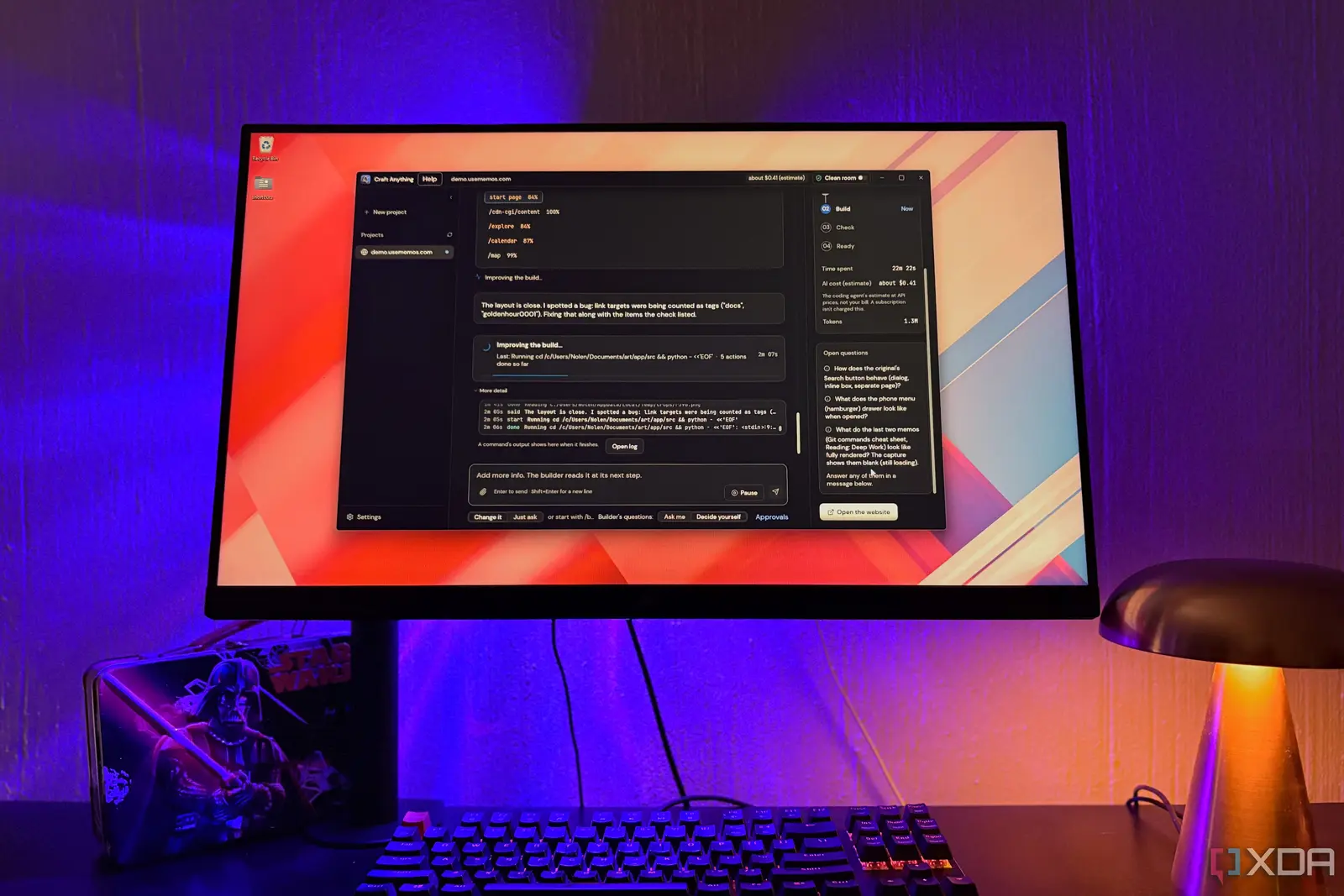 Open-Source Tools Challenge AI-Powered Development Platforms
The engine is designed to run without heavy dependencies like Chromium or C++ runtimes. This lightweight architecture allows for fast execution and minimal resource consumption. Developers can integrate the tool directly into their workflows. It provides a robust alternative to traditional, cloud-dependent PDF solutions that compromise privacy.
The core strength of PaperPilot lies in its memory-safe Rust implementation. This language choice prevents common security vulnerabilities associated with C or C++ code. The system processes documents strictly within the user's local environment. No data is transmitted to external servers during operation. This design addresses growing concerns about data privacy in enterprise settings. Users maintain full control over their sensitive documents at all times.
How Does It Integrate with AI Agents?
The toolkit supports multiple execution modes to suit different needs. It functions as a standalone application for direct user interaction. It also serves as a backend for automated AI workflows. The project includes a WebAssembly build for browser-based usage. This allows developers to test features without installing local software. The modular design ensures that the same engine powers all these different interfaces.
PaperPilot offers a Model Context Protocol (MCP) server for seamless AI integration. Users can download the specific MCP binary from the project releases. They then add it to their Claude Desktop configuration file. This setup enables AI assistants to manipulate PDFs directly. The agent can extract text, analyze layouts, and modify documents. All actions occur locally, preserving the confidentiality of the content.
The project roadmap outlines further enhancements to the toolkit. Developers are working on expanding the range of supported document formats. Performance optimizations are also planned for large file processing. The open-source nature of the project invites community contributions. This collaborative approach helps refine the tool for various use cases.
Frequently Asked Questions
Does PaperPilot require internet access? No, the tool runs entirely offline. It does not make cloud calls or require a network connection for basic PDF operations.
Can I use PaperPilot in a web browser? Yes, the project provides a WebAssembly build. This allows users to try the engine directly in their browser without installation.
Is the code available for public review? Yes, PaperPilot is an open-source project. The source code is hosted on GitHub for inspection and contribution.