The project relies on volunteer input and has no formal funding or roadmap
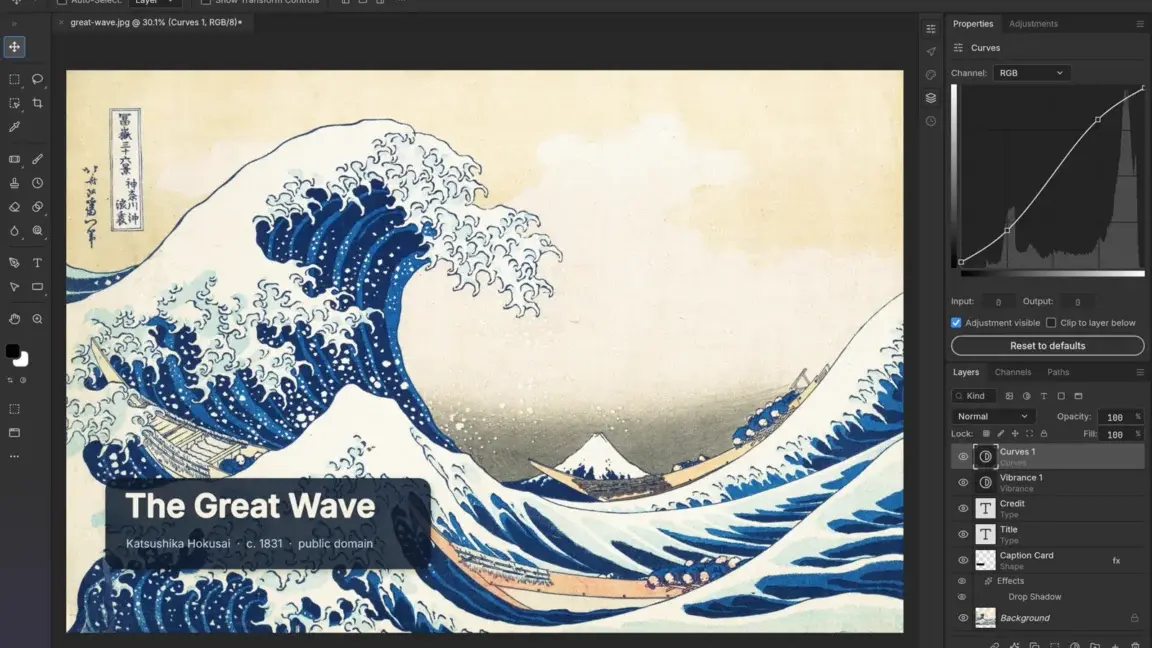
A bold AI developer has released open source clones of Adobe Creative Cloud applications, aiming to disrupt the software giant with free, ambitious tools built on the Opus framework. Though still incomplete, the project signals a direct challenge to Adobe’s dominance in creative software, offering Photoshop-like interfaces without licensing fees. The initiative emerged in October 2026, drawing attention for its photorealistic mockups that closely resemble Adobe’s flagship products. The developer, known only through the Opus project, claims the goal is to prove that professional creative tools no longer need to be proprietary or expensive. Using AI-assisted code generation and community contributions, the clones replicate core functions of Photoshop, Illustrator, and InDesign, though current versions lack full functionality, stability, and file compatibility. Early adopters warn that while the interfaces are convincing, critical features like layer effects, CMYK support, and plugin integration remain missing or buggy.
Breaking news
 Canonical’s Web Presence Hit by Second DDoS Assault This Year
 Loops AI Secures $3.5 Million to Power a New AI Operating System for E‑Commerce
 Winverse AI Secures Tens of Millions in Seed Funding from DeepSeek and Long‑Z
 Google Adds Pixel 9 Series to Certified Refurbished Store
The project relies on volunteer input and has no formal funding or roadmap. Can Open Source Really Replace Industry-Standard Creative Tools? Despite the visual similarity, experts question whether open source clones can meet the demands of professional designers who depend on Adobe’s ecosystem, including font licensing, stock integration, and enterprise support. The Opus-based tools currently struggle with performance on complex files and do not support Adobe’s proprietary formats like . PSD or . AI at full fidelity. Still, the project has sparked debate about the necessity of subscription models in creative software, especially as AI lowers barriers to software development. Some users praise the effort as a proof of concept, even if not yet practical for daily use. What Happens When AI Meets Software Rebellion? The Opus project reflects a growing trend of AI-augmented developers challenging entrenched tech giants by rapidly prototyping alternatives that mimic commercial software.
While none of the clones are ready for professional deployment
While none of the clones are ready for professional deployment, their existence highlights shifting attitudes toward software ownership and access. If the project gains traction, it could pressure Adobe to justify its pricing or accelerate innovation. For now, the tools remain experimental—more a statement than a solution—but they underscore a future where AI empowers individuals to recreate complex software at little cost. Frequently Asked Questions Is the Opus-based software safe to download and use? The project is hosted on open repositories with no known malware, but as an unfinished experimental build, it may contain bugs or security flaws. Users should avoid using it for professional or sensitive work until further audits and stability improvements are made. Will these tools ever support Adobe file formats? Developers say compatibility with . PSD, . AI, and . INDD formats is a long-term goal, but current versions only offer basic parsing.
Full support would require reverse-engineering proprietary specifications, which poses legal and technical challenges. How does this project differ from GIMP or Krita? Unlike established open source tools like GIMP or Krita, which have original interfaces and workflows, the Opus clones deliberately mimic Adobe’s look and feel to ease transition. However, they lack the years of refinement, documentation, and user communities that make those alternatives viable for professionals.

