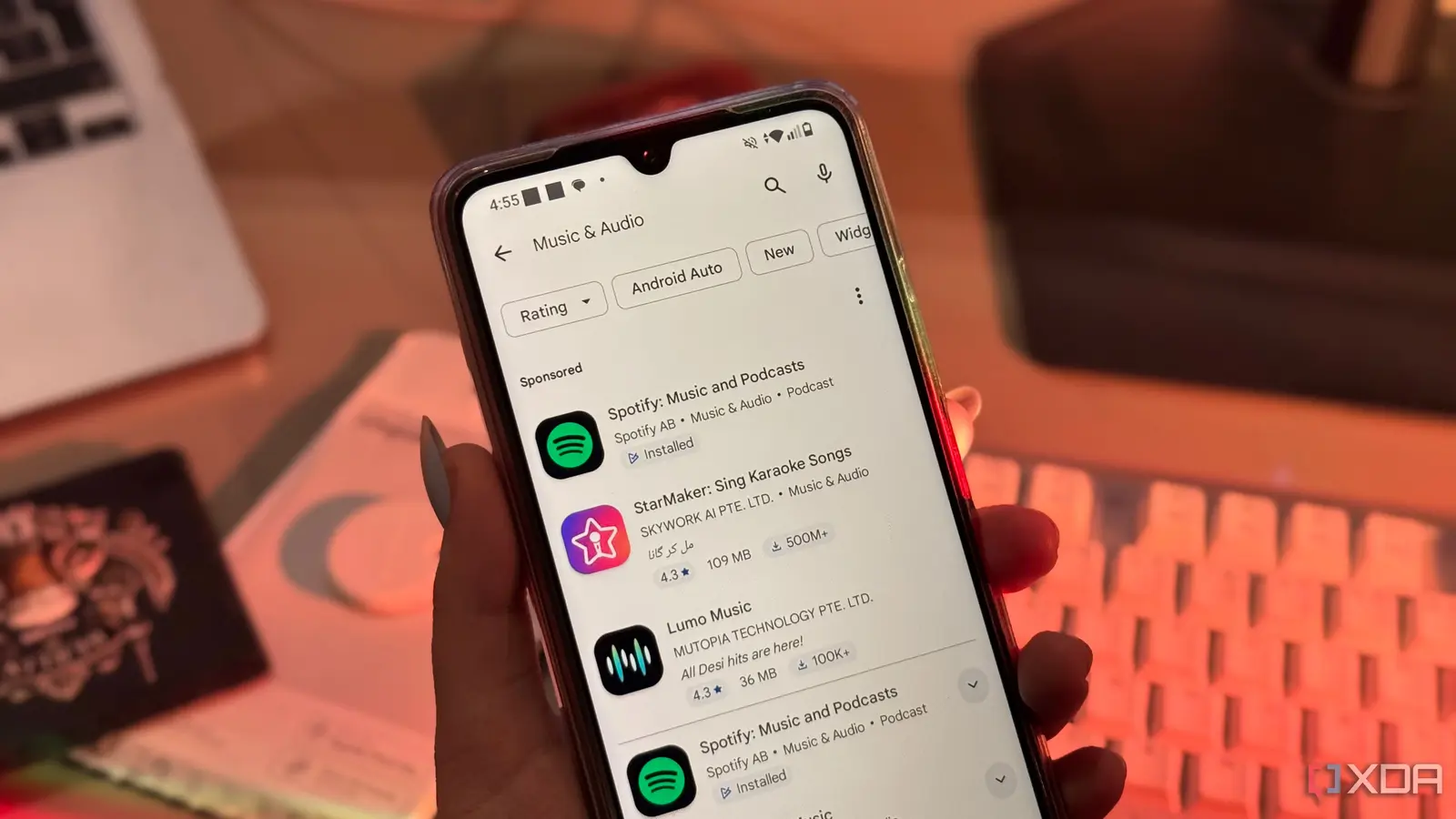
Why Open‑Source Apps Are Gaining Traction
A wave of independent developers is reshaping Android’s app ecosystem, offering free, privacy‑focused alternatives that outperform many popular commercial options. Over the past year, users have begun swapping out heavyweight rivals for community‑built tools that promise transparency, no ads, and regular updates. The shift reflects growing concern over data collection and a desire for more control over personal devices.
Breaking news
 Trump Orders Federal Agencies to Adopt „Super Intelligence” Terminology
 The Silicon Valley Accountability Gap
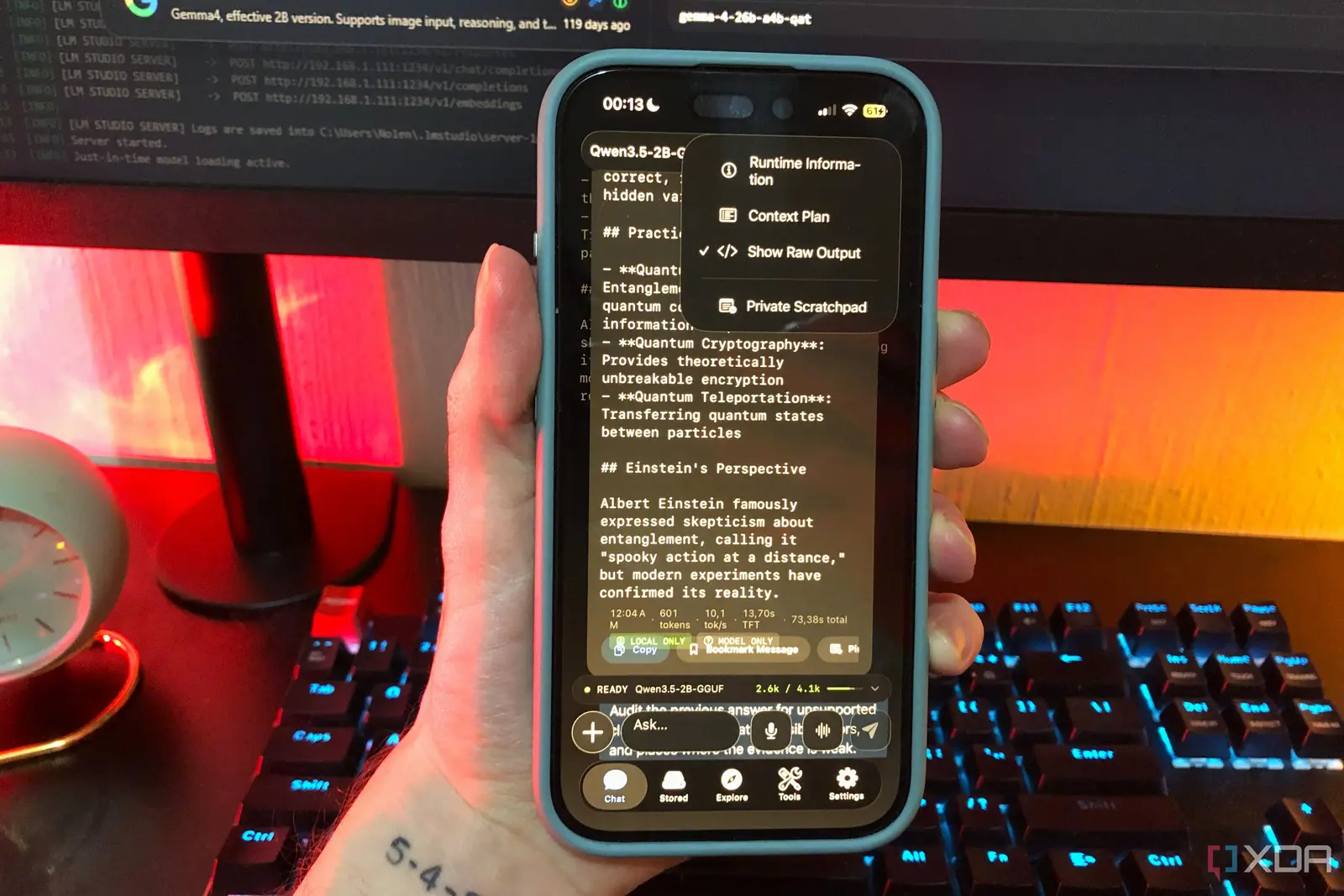 Running a Local AI Model on a Phone Handles Most Chat Prompts
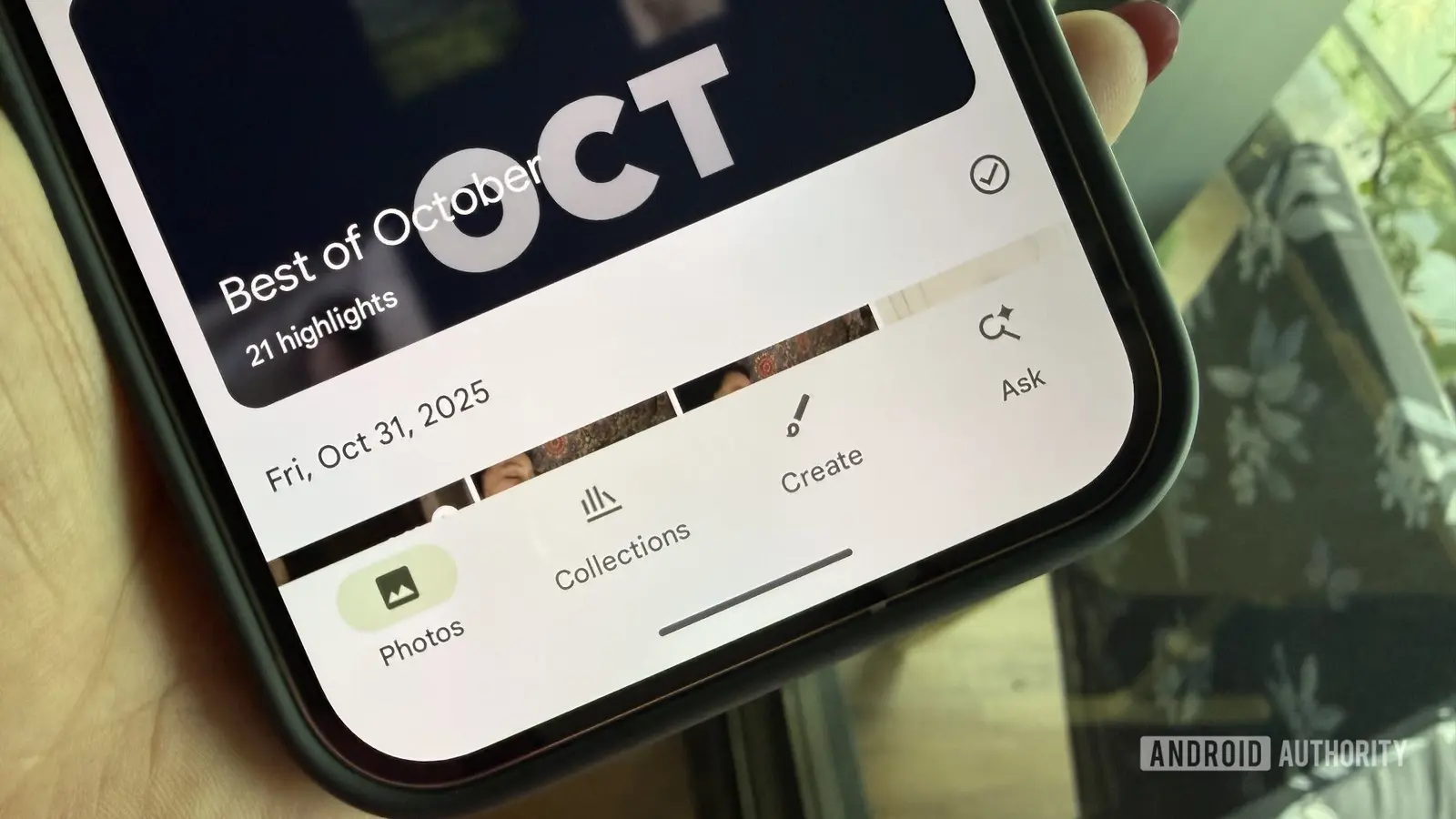 Google Photos Could Soon Offer a Fresh Start with Ask Photos Feature
The surge began with a handful of projects that quickly proved their worth. Apps like Signal for messaging, NewPipe for video streaming, and OsmAnd for navigation have attracted millions of downloads, thanks to their lean design and open codebases. Developers cite community contributions and rapid bug fixes as key advantages over corporate counterparts that often bundle telemetry. „When I switched to an open‑source calendar, I noticed it ran smoother and never asked for permission to track my location,” says one longtime Android enthusiast. The trend is bolstered by platforms such as F-Droid, which curate trustworthy software and simplify installation without relying on Google Play’s gatekeeping.
Open‑source projects thrive on transparency. Every line of code is publicly available, allowing security experts to audit and improve the software. This openness reduces the risk of hidden backdoors and builds user confidence. Moreover, many of these apps are ad‑free, eliminating intrusive pop‑ups that plague mainstream offerings. Performance gains also play a role; stripped‑down code often consumes less memory and battery, extending device longevity. Community forums provide rapid support, and contributors worldwide can add features that mainstream developers might overlook. For instance, the open‑source photo editor Pixlr‑Lite now supports RAW processing, a capability previously reserved for pricey premium apps.
Can Open‑Source Solutions Replace Big‑Name Competitors?
The question looms large as users weigh convenience against control. While open‑source apps excel in privacy and customization, they sometimes lack the polish of corporate products. Integration with other services can be limited, and occasional fragmentation across device manufacturers creates compatibility hurdles. Nonetheless, the gap is narrowing. Recent updates to the open‑source email client K-9 Mail introduced push notifications and seamless calendar sync, features once exclusive to paid services. As more developers adopt modern design guidelines, the user experience gap continues to shrink.
The broader impact could reshape the mobile software market. If adoption rates keep climbing, major companies may feel pressure to adopt more transparent practices or open parts of their ecosystems. Users stand to benefit from a healthier balance between convenience and privacy, while developers gain a vibrant platform for innovation. The momentum suggests that open‑source Android apps are not just niche experiments but viable mainstream choices.
Frequently Asked Questions
What are the main benefits of using open‑source Android apps? They offer greater privacy, no ads, and the ability to inspect or modify the code. Users also enjoy lighter performance footprints and community‑driven updates.
Are open‑source apps safe to install? When sourced from reputable repositories like F‑Droid, they undergo verification and are signed to ensure authenticity, making them as safe as mainstream alternatives.
Will open‑source apps eventually replace all mainstream options? Complete replacement is unlikely in the short term, but as features improve and user trust grows, they will capture a larger share of the market, especially among privacy‑conscious users.