How the Offline Translation Technology Works on Everyday Devices
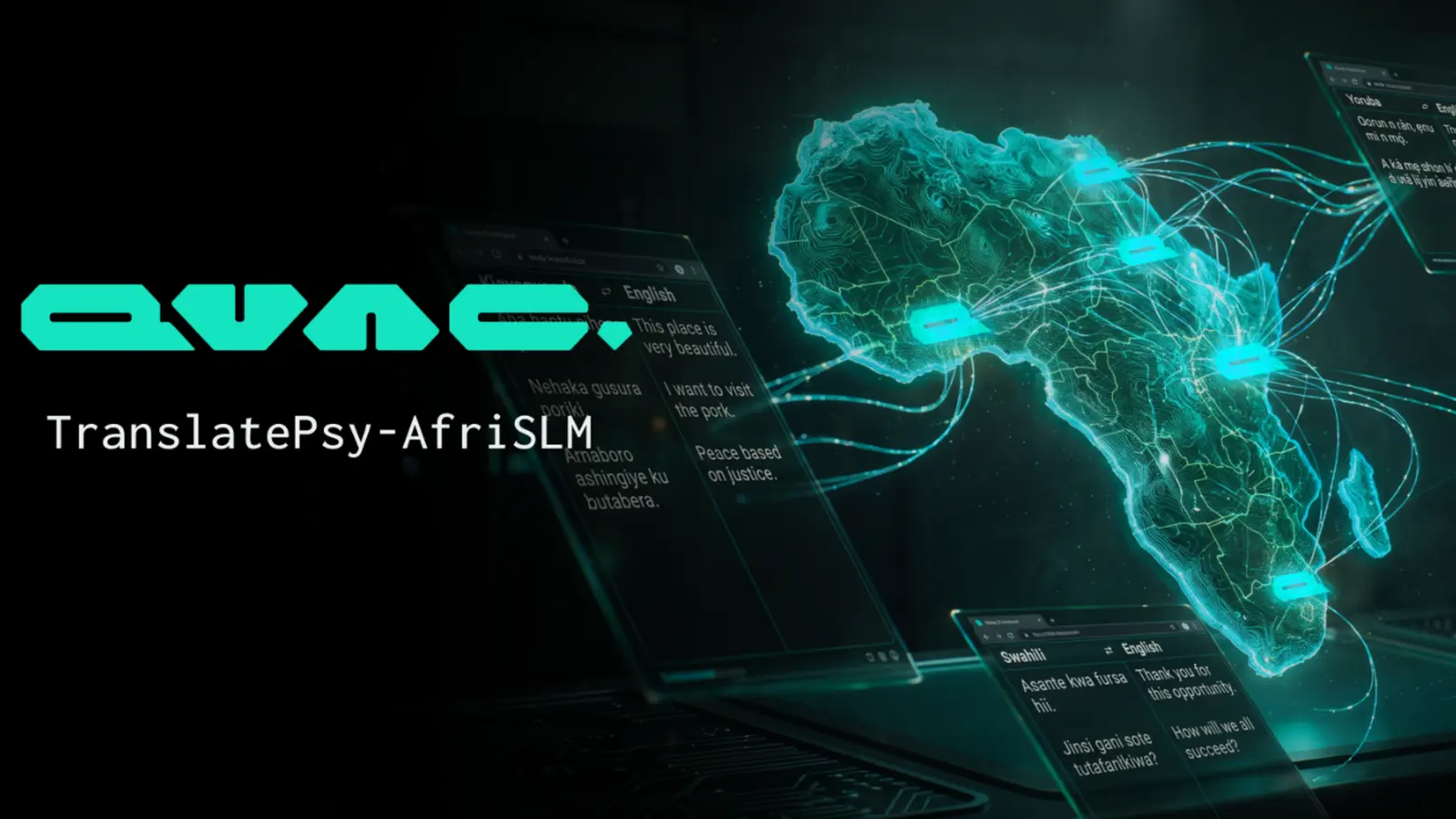
Tether has released free artificial intelligence translation models that operate entirely offline on smartphones and laptops, supporting 19 African languages and 9 European languages. The launch, announced on September 23, 2026, enables users to translate text without internet connectivity, addressing accessibility gaps in regions with limited digital infrastructure. The models are designed to run efficiently on consumer devices, requiring no cloud processing or data transmission.
Breaking news
 Canonical’s Web Presence Hit by Second DDoS Assault This Year
 Loops AI Secures $3.5 Million to Power a New AI Operating System for E‑Commerce
 Winverse AI Secures Tens of Millions in Seed Funding from DeepSeek and Long‑Z
 Google Adds Pixel 9 Series to Certified Refurbished Store
The initiative reflects Tether’s broader effort to expand access to AI tools in underserved linguistic communities. By focusing on African languages such as Swahili, Yoruba, Zulu, and Amharic—many of which lack robust digital translation support—the company aims to bridge communication barriers in education, healthcare, and local commerce. The European language set includes widely spoken languages like German, French, Italian, and Portuguese, ensuring broader utility across regions. All models are available for direct download and function without requiring user accounts or data sharing.
What Languages Are Included and Why This Matters for Digital Inclusion
The AI models are optimized for low-power processors, allowing them to run smoothly on mid-range smartphones and older laptops without draining battery life significantly. Tether employed model compression techniques and quantized neural networks to reduce file size while maintaining translation accuracy comparable to online alternatives. Users can install the language packs once and use them indefinitely, even in airplane mode or remote areas with no network coverage. The system supports text input via typing or voice-to-text conversion, with output displayed instantly on screen.
The African language coverage includes major lingua francas such as Hausa, Igbo, and Somali, alongside less-resourced languages like Kinyarwanda, Luganda, and Tigrinya. Tether states that over 300 million people speak these languages collectively, yet few have access to reliable offline translation tools. By prioritizing linguistic diversity, the release challenges the dominance of English-centric AI systems and supports efforts to preserve indigenous languages in digital spaces. Early testing showed translation accuracy rates above 85% for common phrases in controlled environments.
Can these translation models be used for real-time conversation? Yes, the models support real-time text translation during conversations when paired with voice input, though processing speed depends on the device’s hardware capabilities.
Frequently Asked Questions
Are the translation models truly free with no hidden costs or data collection? Tether confirms the models are completely free to download and use, with no requirement for account creation, subscriptions, or transmission of user data to external servers.
Will additional languages be added to the offline translation suite in the future? Tether has indicated plans to expand the model library based on user demand and linguistic research, particularly focusing on more African and indigenous languages currently underrepresented in AI tools.

