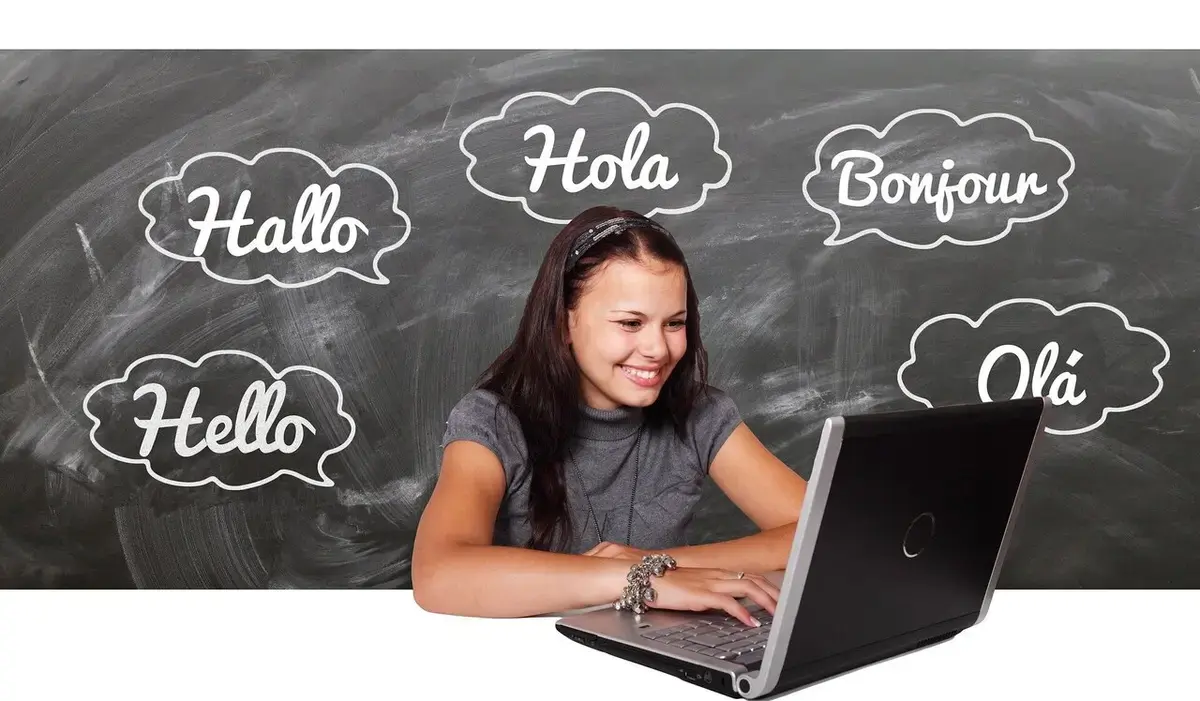
The Technology Behind AI Translation
Advances in artificial intelligence are transforming communication, enabling real-time translation during video calls and on platforms like TikTok. This technology raises questions about the necessity of learning foreign languages in today's globalized world. AI-driven translation tools are becoming increasingly sophisticated, making it easier for people to connect across language barriers. As these tools improve, they offer instant translations for spoken and written content, leading to a debate about the value of traditional language learning.
Breaking news
 Town AI Secures $108 Million Series B, Valued at $1 Billion After $55 M Pre‑Series
 Apple Prepares for Major Product Launch Event on October 28
 Apple Releases Release Candidates for watchOS, tvOS and visionOS 27.2
 Apple Limits iPhone Duo and iPhone 18 Pro Max to Reservation-Only Sales in Japan and South Korea
Recent developments in AI have led to significant improvements in translation accuracy and speed. Live speech translation allows users to converse in different languages seamlessly, while auto-dubbing features on social media platforms enhance accessibility for diverse audiences. These innovations suggest that technology can bridge communication gaps more effectively than ever before.
Experts argue that while AI can facilitate basic understanding, it may not capture the nuances and cultural context inherent in human languages. Language is more than just words; it encompasses idioms, cultural references, and emotional expressions that machines may struggle to interpret accurately. Moreover, learning a language fosters cognitive skills and cultural appreciation, enriching personal and professional interactions.
Is Language Learning Becoming Obsolete?
As AI translation becomes more prevalent, one must consider whether the traditional method of learning languages is losing its appeal. Many people now rely on apps and software for quick translations, which can lead to a superficial understanding of other cultures. The convenience of technology might discourage individuals from investing time in language studies.
However, language experts emphasize that the cognitive benefits of learning a new language extend beyond communication. Studies show that bilingual individuals often have enhanced problem-solving skills and creativity. Additionally, understanding a language can deepen connections with others and provide insights into different cultures.
Frequently Asked Questions
The future landscape of communication will likely be a blend of AI tools and human language skills. While AI can handle routine translations, the ability to converse authentically and appreciate cultural subtleties remains invaluable. As technology continues to evolve, the role of language learning may shift, but its importance will not diminish entirely.
Will AI replace the need for language teachers? While AI can assist in learning, it cannot fully replace the nuanced teaching that language educators provide. Teachers offer cultural context and personalized feedback that AI lacks.
Can AI translation handle complex conversations? AI translation tools are improving but still struggle with idiomatic expressions and context. For nuanced discussions, human translators are often more effective.