Beyond Model Quality: The Importance of Tooling
Yash Patel, a tech industry professional since 2018, experimented with self-hosted large language models (LLMs) to boost productivity. After three years as a software engineer, he focused on creating informative content on his tech blog. His recent project involved testing local LLMs for several months.
Breaking news
 Canonical’s Web Presence Hit by Second DDoS Assault This Year
 Loops AI Secures $3.5 Million to Power a New AI Operating System for E‑Commerce
 Winverse AI Secures Tens of Millions in Seed Funding from DeepSeek and Long‑Z
 Google Adds Pixel 9 Series to Certified Refurbished Store
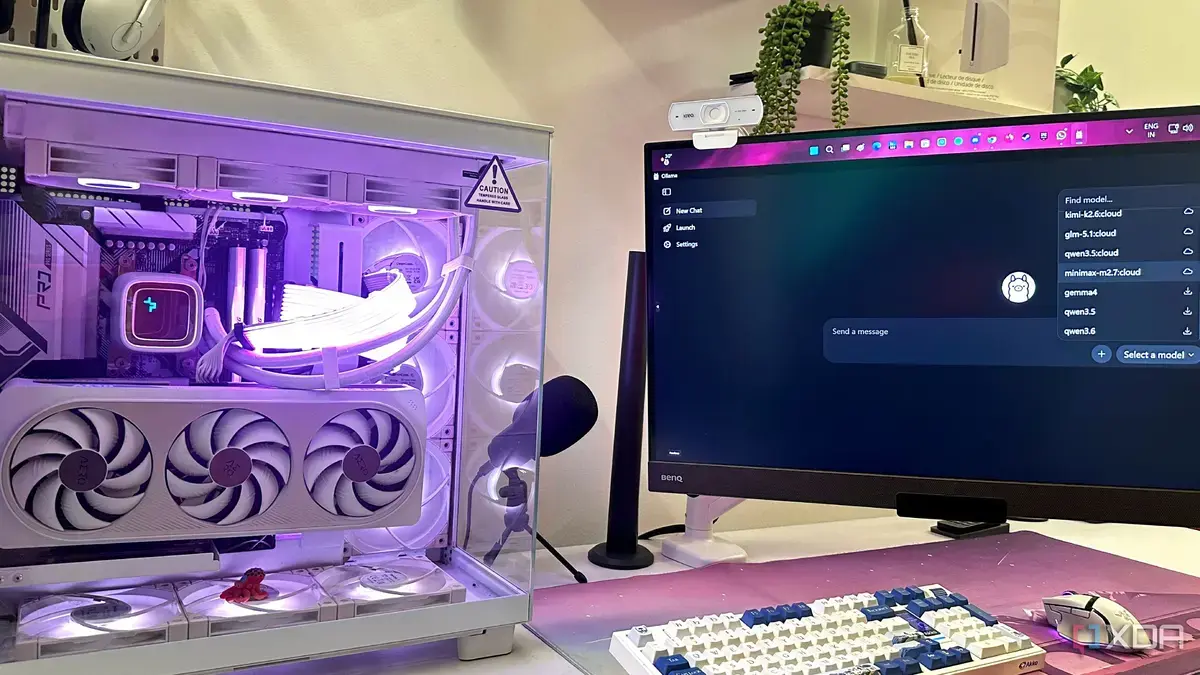
The initial results were underwhelming, with the LLM functioning as a glorified chat box. Patel discovered that productivity depends on the tools used, not just the models themselves. He found that integrating the LLM with other applications and services was crucial to unlocking its full potential.
Patel's experience showed that a robust ecosystem of tools and integrations is necessary to turn an LLM into a valuable AI assistant. By connecting the LLM to various productivity apps, he was able to automate tasks and streamline his workflow. This integration enabled the LLM to provide more meaningful assistance.
Can a Self-Hosted LLM Truly Enhance Productivity?
The key to success lay in creating a seamless interaction between the LLM and other tools. Patel achieved this by developing custom scripts and leveraging existing APIs. As a result, his AI assistant became capable of performing complex tasks, such as data analysis and content generation.
Patel's experiment demonstrated that a self-hosted LLM can be a powerful productivity tool when paired with the right tooling. By investing time in integrating the LLM with other applications, users can unlock significant productivity gains. As LLMs continue to evolve, the potential for AI assistants to transform workflows will only grow.
The implications of Patel's findings are significant, suggesting that businesses and individuals can benefit from adopting self-hosted LLMs. As the technology advances, we can expect to see more sophisticated AI assistants that can be tailored to specific needs.
Frequently Asked Questions
What is the primary factor in determining the productivity of a self-hosted LLM? The primary factor is the quality of the tools and integrations used, not just the model itself. A robust ecosystem is necessary.
Can a self-hosted LLM be integrated with existing productivity apps? Yes, with custom scripts and APIs, a self-hosted LLM can be connected to various productivity applications, enabling automation and streamlined workflows.
How can businesses benefit from adopting self-hosted LLMs? By investing in the right tooling and integrations, businesses can unlock significant productivity gains and create tailored AI assistants.