
Will Larger Masks Solve the AI Compute Crisis?
The world’s most sophisticated lithography machines currently face physical constraints regarding the surface area they can pattern. As AI models grow in complexity, designers require larger silicon dies to house more transistors and memory. Current hardware limitations prevent these massive chips from being printed in a single pass, creating a bottleneck for semiconductor manufacturers worldwide.
Breaking news
 Does the iPhone 18 Pro support longer battery life than the iPhone 17 Pro? Yes, the larger battery and more efficient chip provide roughly 20‑30% more endurance compared to the previous generation
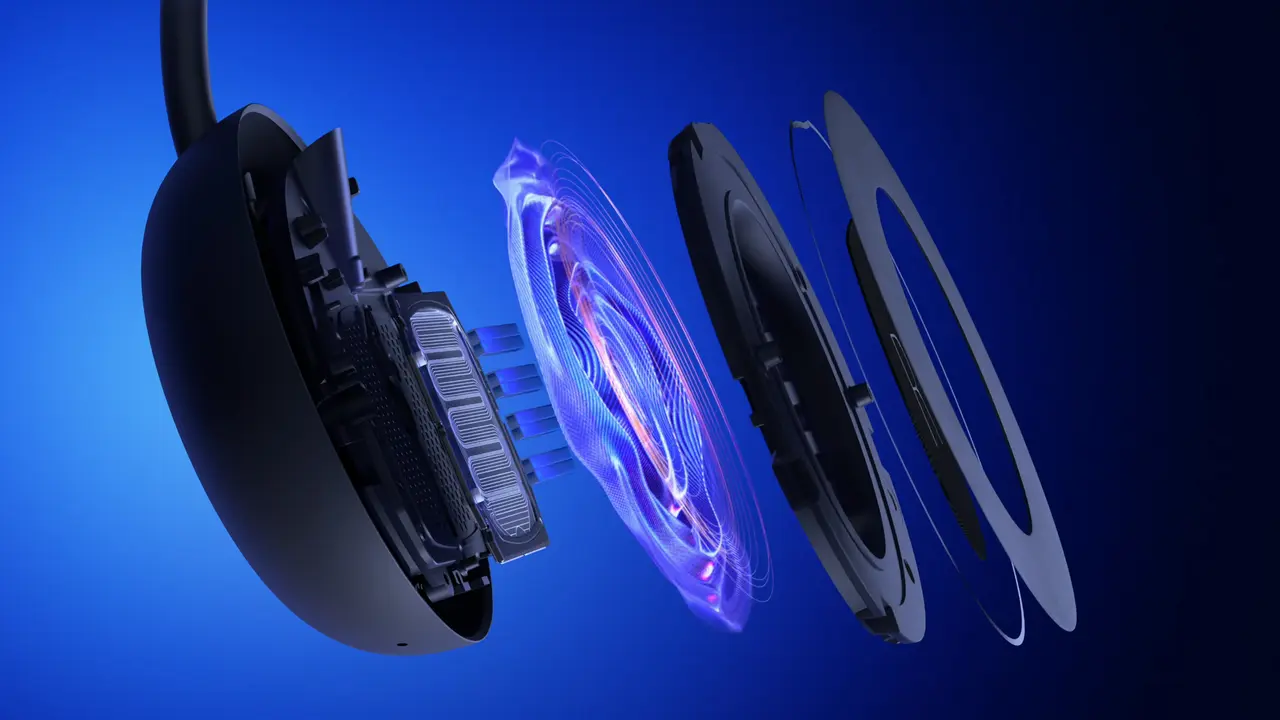 Sony Unveils Two New PlayStation Pulse Headsets With Planar Drivers
 EU Proposes Ban on Social Media for Under‑13s and Restricts Chatbot Use
 Fire Emblem: Fortune’s Weave Captivates Players With Deep Tactical Mastery
The initiative focuses on modifying the optical systems within extreme ultraviolet (EUV) lithography tools. By increasing the mask size, ASML intends to allow chipmakers to print larger, more powerful integrated circuits. This adjustment effectively expands the „reticle limit,”which is the maximum area a machine can expose during the manufacturing process.
TSMC’s involvement signals that the industry is ready to commit to these hardware changes. The foundry giant needs these larger chips to maintain its lead in the AI sector. Without these modifications, the next generation of AI processors would remain physically impossible to manufacture using current high-volume production methods.
The transition to larger photomasks is a complex engineering feat that requires redesigning core components of existing EUV scanners. If successful, the move will enable the production of monolithic chips that are significantly larger than today’s standard offerings. This change could drastically improve performance and energy efficiency for data center hardware.
Frequently Asked Questions
However, the shift also presents significant challenges in yield management and equipment calibration. ASML must ensure that the precision of these machines remains intact despite the increased scale. If the plan succeeds, it will provide the necessary foundation for the next decade of AI hardware development, ensuring that silicon capacity keeps pace with software demands.
Why are current lithography machines insufficient for AI chips? Modern AI processors have outgrown the physical printing area, known as the reticle limit, of current EUV machines. These machines cannot pattern the entire surface of the largest, most complex AI chips in one cycle.
What is the primary goal of the TSMC and ASML partnership? The companies are working to increase the size of photomasks used in lithography. This change will allow for the mass production of larger, more powerful semiconductor dies needed for advanced AI computing.