Precision Control in Visual Synthesis
OpenAI has introduced version 2.5 of its image generation model, bringing significant improvements to visual accuracy and editing precision. Released this September, the updated tool allows users to create and refine AI-generated posters with greater reliability. These enhancements aim to solve common frustrations regarding image consistency and complex prompt adherence.
Breaking news
 London-based CloudNC raises €17.2 million to scale AI-powered precision machining
 AI Hardware Weekly: Chip Efficiency, Digital Twins, and Mobile Vision Models Lead September Discussions
 Google DeepMind alumni launch startup to build fusion control systems
 AI Safety Researcher Quits, Warns Labs Racing Toward Dangerous Superintelligence
The new model focuses on maintaining user identity during the editing process. Previously, altering specific parts of an image often resulted in unintended changes to the subject's appearance or facial features. Version 2.5 addresses this by isolating edits, ensuring that requested modifications do not fundamentally transform the person depicted in the frame.
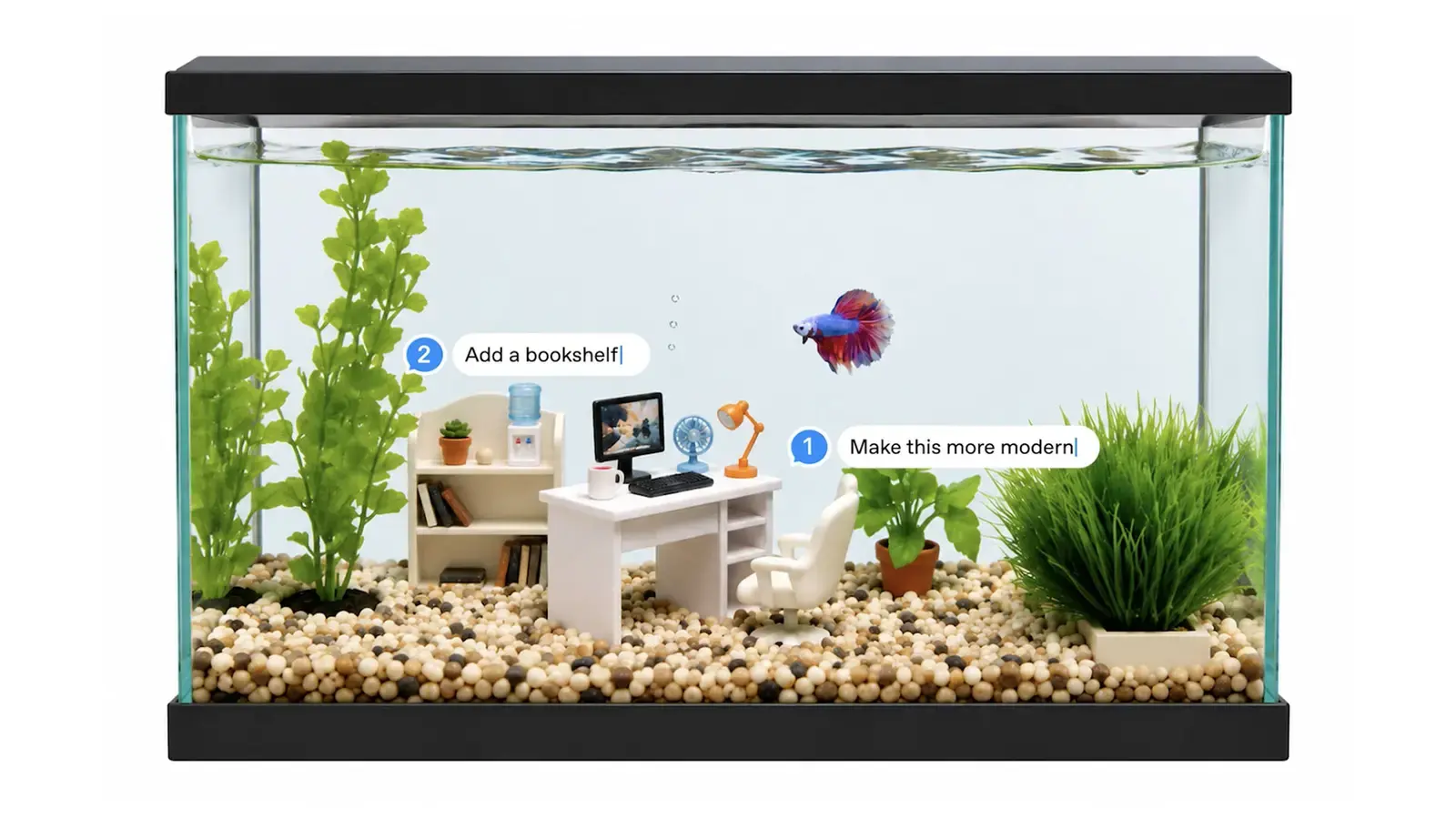
The update represents a major shift toward more predictable creative workflows. Users can now request specific adjustments to posters or compositions without fearing that the entire image will regenerate or warp. This level of control is essential for professional designers and casual users who need to tweak fine details like text placement or color schemes.
Can Users Finally Trust AI with Portraits?
By refining the underlying architecture, the system now interprets complex instructions with higher fidelity. This reduces the number of attempts required to achieve a desired output. The model effectively bridges the gap between simple text-to-image generation and professional-grade digital editing tools.
The ability to edit images without compromising the subject's identity marks a turning point for generative AI. Historically, AI models struggled to preserve consistent features when asked to perform iterative changes. With this update, the technology moves closer to being a viable tool for authentic image manipulation.
Frequently Asked Questions
This development suggests that future iterations will prioritize stability over raw creative output. As the software becomes more adept at handling specific requests, the reliance on multiple generation cycles will likely decrease. This evolution positions ChatGPT as a more robust platform for visual storytelling and creative production.
What makes version 2.5 different from previous models? The latest update offers significantly improved accuracy when generating posters and allows for precise image editing without altering the subject's identity.
Does this update require a new subscription? The improved image capabilities are part of the latest ChatGPT model rollout for current users. It provides a more stable experience for those who regularly edit AI-generated visuals.