Companies like Red Hat and SUSE later built commercial support around Linux
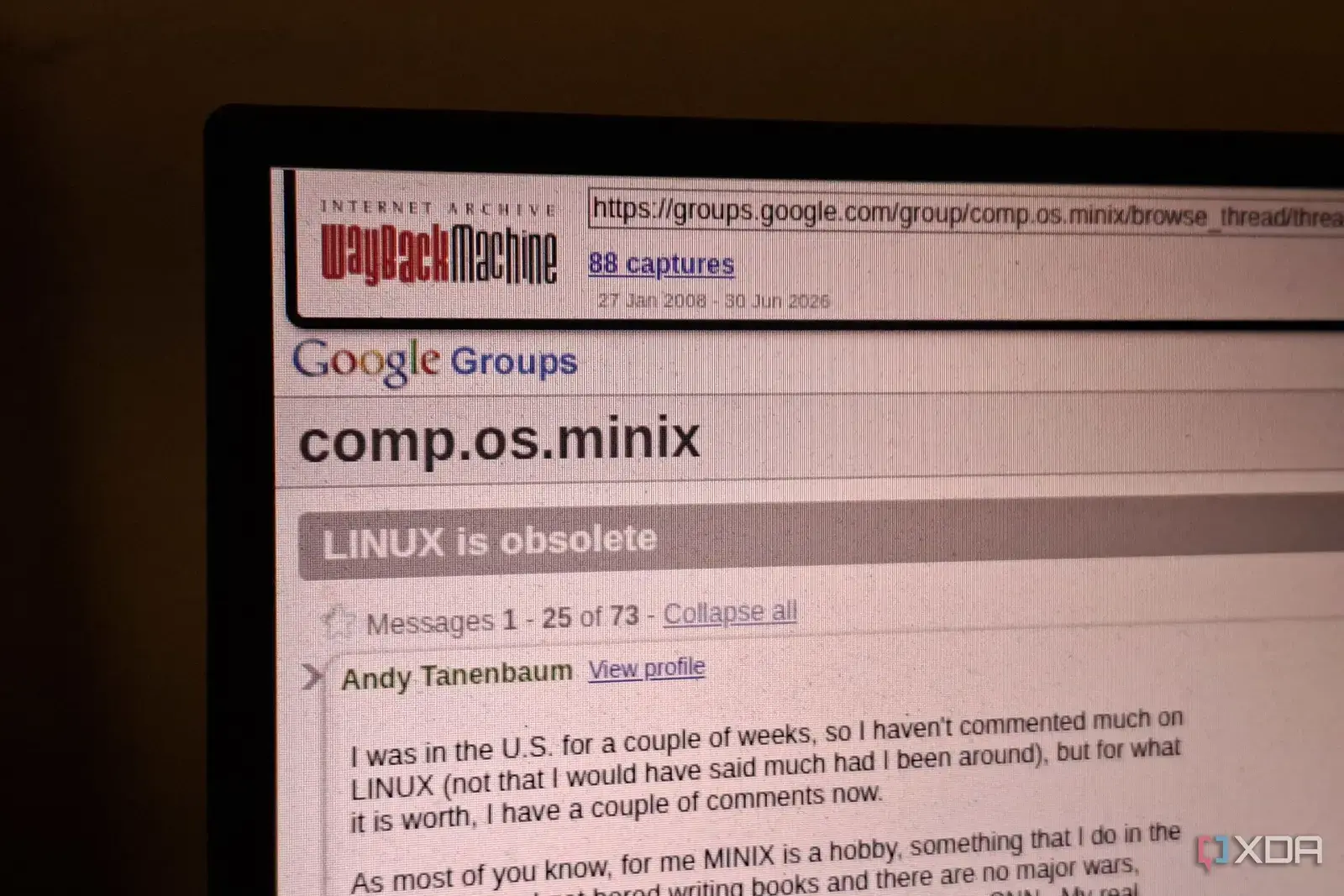
In 1992, a prominent computer scientist dismissed Linux as obsolete, claiming it had no future in the rapidly evolving world of operating systems. Over three decades later, that same software runs the majority of web servers, cloud infrastructure, and supercomputers worldwide, proving the initial skepticism profoundly mistaken. The turning point came as developers embraced Linux’s open-source model, allowing continuous improvement and adaptation. Unlike proprietary systems, Linux evolved through global collaboration, making it highly customizable and cost-effective for businesses. Its stability and security features made it ideal for enterprise environments, leading to widespread adoption in data centers and internet services. How Open Source Drove Linux’s Success Linux’s growth was fueled by its open-source nature, which invited programmers from around the world to contribute code, fix bugs, and add features. This decentralized development model allowed rapid innovation without the constraints of corporate licensing.
Breaking news
 Canonical’s Web Presence Hit by Second DDoS Assault This Year
 Loops AI Secures $3.5 Million to Power a New AI Operating System for E‑Commerce
 Winverse AI Secures Tens of Millions in Seed Funding from DeepSeek and Long‑Z
 Google Adds Pixel 9 Series to Certified Refurbished Store
Companies like Red Hat and SUSE later built commercial support around Linux, making it viable for mission-critical applications. The result was a system that could scale from embedded devices to massive server farms. What Made Linux More Reliable Than Alternatives? Linux gained a reputation for reliability due to its modular design and strong community oversight. Unlike some operating systems prone to crashes or security flaws, Linux benefited from constant peer review, enabling quick patches and updates. Its efficient use of system resources also meant it could run on older hardware, reducing costs for organizations. These traits made it a preferred choice for hosting websites, databases, and cloud platforms. Frequently Asked Questions Why was Linux initially considered obsolete? Critics argued that Linux lacked the polish, hardware support, and corporate backing needed to compete with established systems like Windows NT or Unix variants, believing it would remain a niche hobbyist project.
How does Linux maintain security despite being open source? The transparency of its code allows thousands of developers to inspect and fix vulnerabilities quickly, often faster than in closed-source systems where flaws may go unnoticed for longer periods. Is Linux used only in servers, or elsewhere too? While dominant in servers, Linux also powers Android smartphones, smart TVs, automotive systems, and the majority of the world’s top 500 supercomputers, showing its versatility across devices.