Why Retired Phones Outperform Expectations
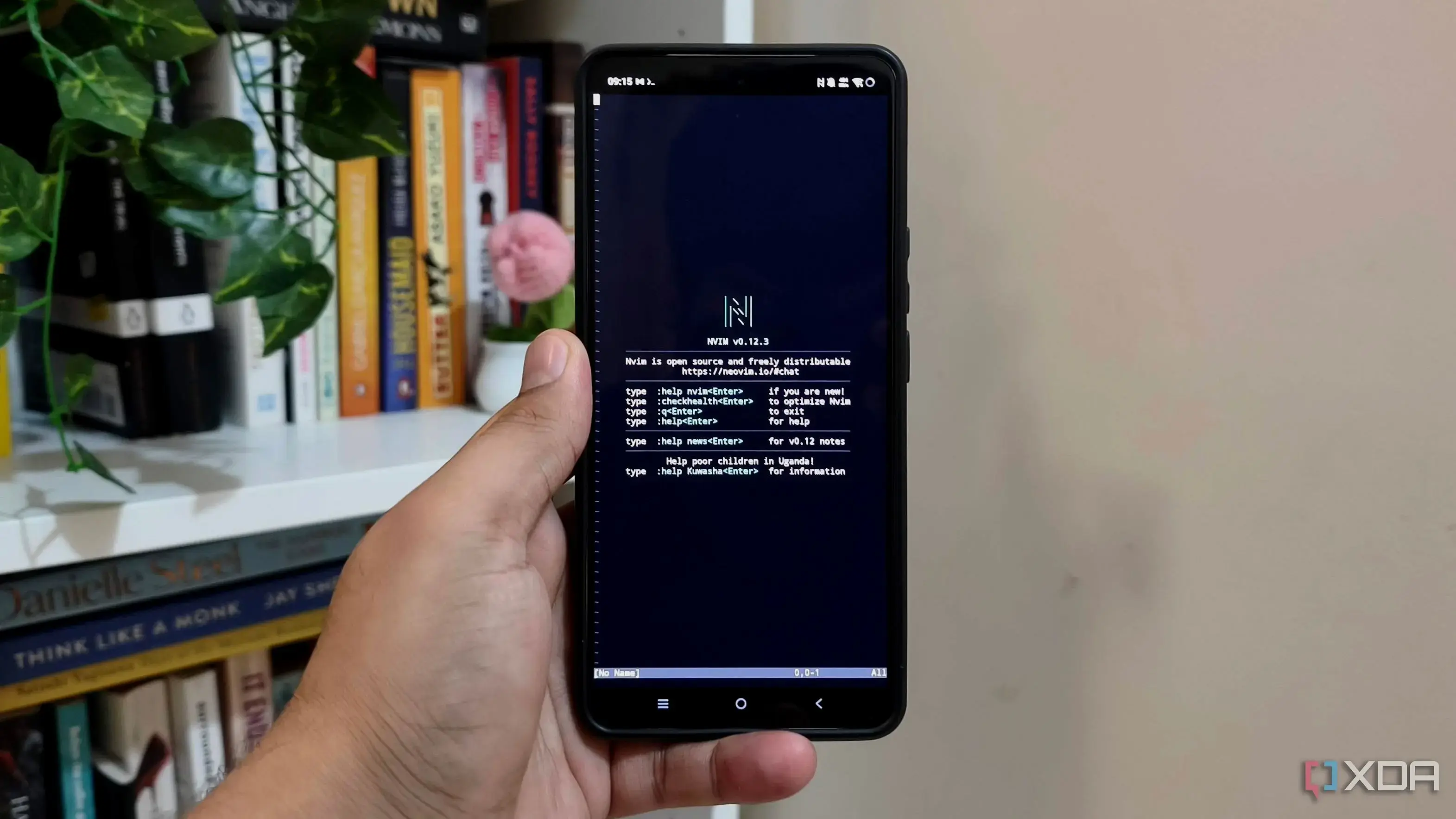
A recent demonstration shows that retired Android smartphones can function effectively as dedicated Linux servers. The performance metrics rival those of a standard Raspberry Pi single-board computer. This transformation allows users to repurpose aging hardware for continuous background tasks. The setup requires minimal technical expertise beyond basic command-line knowledge. It offers a cost-effective alternative to purchasing new mini PCs or embedded devices.
Breaking news
 Canonical’s Web Presence Hit by Second DDoS Assault This Year
 Loops AI Secures $3.5 Million to Power a New AI Operating System for E‑Commerce
 Winverse AI Secures Tens of Millions in Seed Funding from DeepSeek and Long‑Z
 Google Adds Pixel 9 Series to Certified Refurbished Store
The conversion process involves installing a lightweight Linux distribution onto the device. Users typically flash a custom image directly to the phone’s storage. Once booted, the system runs headless, meaning no display is required. The phone acts as a persistent node within a home network. It can host web services, run automation scripts, or manage media libraries. The battery management system ensures stable power delivery when plugged into a wall outlet.
Modern smartphone processors remain surprisingly powerful even after several years of use. High-end chips found in mid-range devices often exceed the computational capacity of entry-level single-board computers. These processors handle concurrent tasks without significant thermal throttling. The integrated memory controllers provide fast data access speeds. Consequently, the device maintains low latency during routine operations.
Can a Smartphone Replace a Dedicated Home Server?
Users report that the phones handle file transfers and database queries efficiently. The architecture supports multiple simultaneous connections without crashing. This reliability makes them suitable for personal cloud storage solutions. They can also run containerized applications for software development testing. The compact form factor saves desk space compared to traditional servers.
The answer depends on the specific workload requirements. For light to moderate tasks, the answer is yes. A smartphone running Linux can serve as a media server for streaming video. It can also act as a print server or a network time protocol daemon. However, heavy virtualization workloads may strain the limited RAM. Storage capacity remains a primary constraint for large datasets. External USB drives can expand this limitation significantly.
Many enthusiasts prefer this method over buying new hardware. It reduces electronic waste by extending the useful life of existing gadgets. The energy consumption is lower than that of a full-sized desktop PC. This efficiency contributes to a smaller carbon footprint for home networking. The quiet operation eliminates the need for soundproofing enclosures.
The trend highlights the longevity of mobile silicon technology. Manufacturers continue to improve chip efficiency year over year. This progress ensures that older devices retain relevance in niche computing roles. Future generations of phones will likely offer even greater server capabilities. Hobbyists are encouraged to test their old devices before discarding them. The potential for home lab expansion is vast and accessible.
Frequently Asked Questions
Which Linux distributions work best on Android phones? Debian and Ubuntu Server images are commonly used. Arch Linux is also popular among advanced users. The choice depends on the specific phone model and available documentation.
Does running Linux drain the phone battery faster? The battery drains slowly if the phone remains plugged in. Most users keep the device connected to AC power continuously. This prevents deep discharge cycles that damage lithium-ion cells.
Is it safe to leave a phone running 24/7? Yes, it is generally safe for modern devices. The thermal management systems prevent overheating. Ensure proper ventilation to avoid heat buildup around the unit.