Unintended Consequences for Innovation
The United States government recently implemented a ban on foreign-made robots. This move aims to bolster domestic robotics manufacturing. However, experts are now questioning if this policy will truly benefit the American industry. Concerns are growing that it could actually slow down innovation and growth.
Breaking news
 Canonical’s Web Presence Hit by Second DDoS Assault This Year
 Loops AI Secures $3.5 Million to Power a New AI Operating System for E‑Commerce
 Winverse AI Secures Tens of Millions in Seed Funding from DeepSeek and Long‑Z
 Google Adds Pixel 9 Series to Certified Refurbished Store
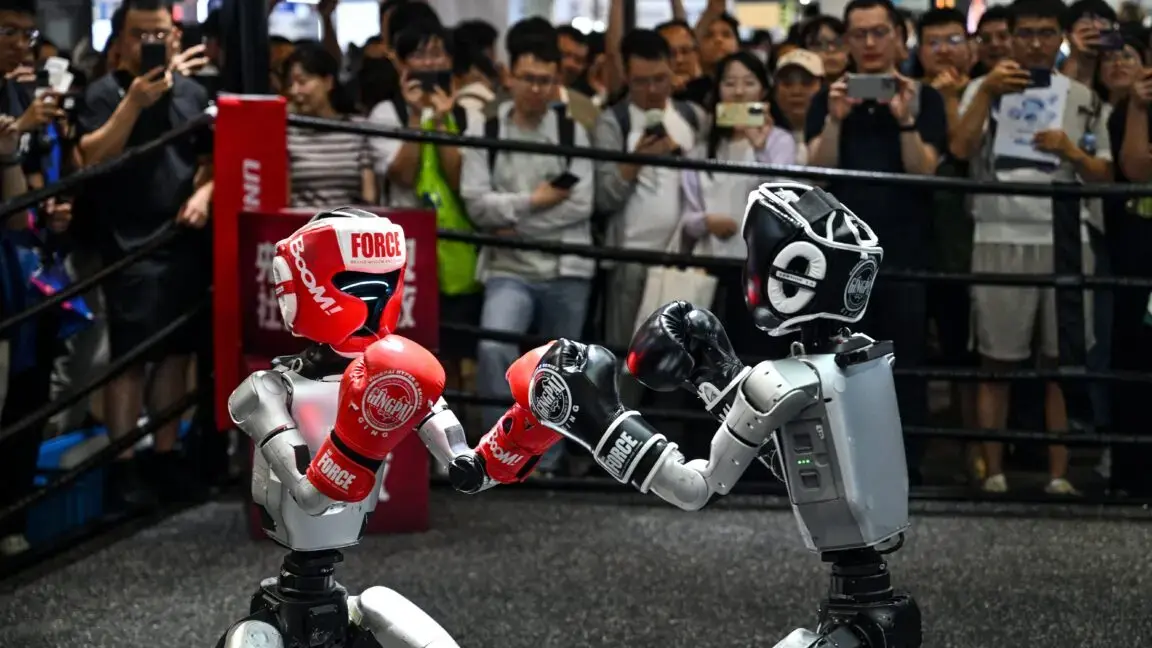
The ban targets a wide range of robotic systems. This includes advanced humanoid robots often seen in demonstrations and industrial settings. The intention is to create a protected market for American companies. This could lead to more jobs and technological independence.
Many industry leaders fear this ban could backfire. American companies often rely on foreign components and research. Restricting access to these resources might stifle progress. Collaboration across borders has been a key driver of robotic advancements.
Will US Companies Rise to the Challenge?
Forcing companies to source everything domestically could increase costs. It might also limit the variety of available technologies. This could put American robot makers at a disadvantage globally. They may struggle to compete with international firms not facing similar restrictions.
The success of this policy hinges on the ability of US companies to fill the void. They must rapidly develop and produce competitive robots. This requires significant investment in research and development. It also demands a skilled workforce ready for these new demands.
Some argue this ban provides a necessary push for domestic innovation. It could force companies to invest more in their own capabilities. Others believe it creates an artificial barrier. This barrier might isolate the US from global technological trends. The long-term impact on the American robotics landscape remains uncertain.
Frequently Asked Questions
What is the main goal of the US robot ban? The primary goal is to stimulate domestic robotics manufacturing. It aims to reduce reliance on foreign-made robots and boost American industry.
How might the ban affect American robotics companies? It could force them to develop more in-house technology. However, it might also increase costs and limit access to global innovations and components.
What are the potential drawbacks of this policy? Experts worry it could hinder technological progress and make US companies less competitive internationally. It might also lead to higher production costs.