AI-Generated Names Fuel Deception
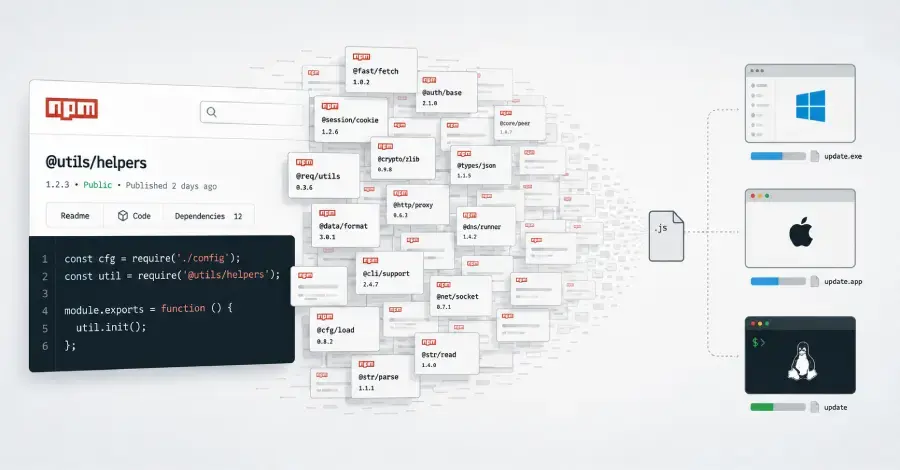
A recent cyberattack has flooded the npm registry with almost 800 harmful software packages. These packages aim to infect Windows, Mac, and Linux systems. The campaign intends to spread a dangerous cross-platform remote access Trojan (RAT) and information stealer.
Breaking news
 Canonical’s Web Presence Hit by Second DDoS Assault This Year
 Loops AI Secures $3.5 Million to Power a New AI Operating System for E‑Commerce
 Winverse AI Secures Tens of Millions in Seed Funding from DeepSeek and Long‑Z
 Google Adds Pixel 9 Series to Certified Refurbished Store
This widespread effort represents a significant threat to developers. The attackers used a tactic called typo-squattingto trick users. They created package names that were either randomly generated or very similar to legitimate ones. This makes it easy for developers to accidentally download malicious code.
The malicious packages often featured names that seemed to be AI-generated. This AI slop squattedapproach helped the attackers create a large volume of deceptive entries quickly. The goal was to increase the chances of unsuspecting developers installing the compromised software. Once installed, these packages could give attackers full control over a system or steal sensitive data.
How Does Typo-Squatting Endanger Developers?
Typo-squatting exploits common typing errors or assumptions. Developers might misspell a package name or choose a similar-sounding one, leading them to download the wrong software. The sheer number of these fake packages makes it harder for developers to distinguish legitimate tools from malicious ones. This campaign highlights the need for extreme caution when adding new dependencies to projects.
The consequences of downloading such packages can be severe. Infected systems could be used for further attacks or suffer data breaches. Developers should always verify package authenticity before installation. This includes checking the publisher, download counts, and community reviews.
Frequently Asked Questions
What is npm? npm is a package manager for JavaScript. It is widely used by developers to share and reuse code. It hosts millions of open-source software packages.
What is a cross-platform RAT? A cross-platform RAT (Remote Access Trojan) is malware that allows an attacker to control a computer remotely. It can operate on different operating systems like Windows, Mac, and Linux.
How can developers protect themselves? Developers should carefully inspect package names and verify their legitimacy. Using security tools that scan for known vulnerabilities and malicious code can also help.