Widespread Contamination Confirmed by Security Firm
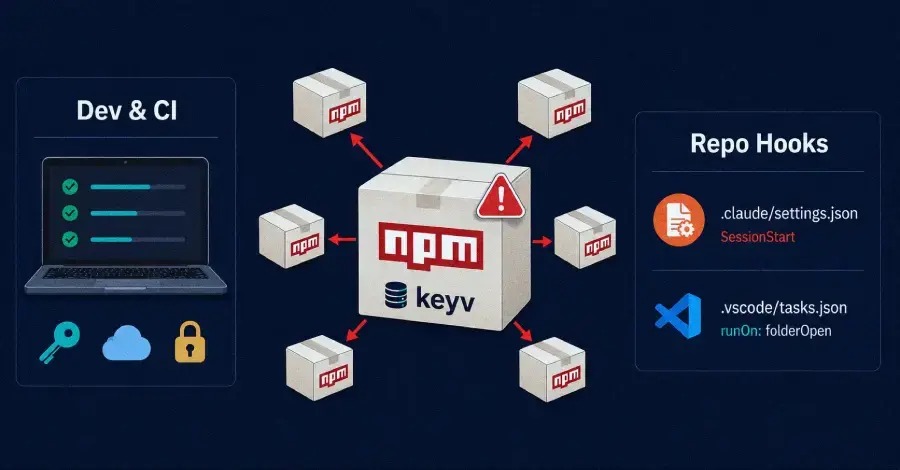
A harmful software worm, first seen in the keyvpackage, has infected numerous npm software libraries. This credential-stealing malware spread widely on August 4, 2026. It affected packages across many organizations, moving beyond its initial targets.
Breaking news
 Canonical’s Web Presence Hit by Second DDoS Assault This Year
 Loops AI Secures $3.5 Million to Power a New AI Operating System for E‑Commerce
 Winverse AI Secures Tens of Millions in Seed Funding from DeepSeek and Long‑Z
 Google Adds Pixel 9 Series to Certified Refurbished Store
The worm, initially identified in [email protected],quickly expanded its reach. It targeted various software projects, compromising their integrity. This incident highlights a significant supply chain vulnerability in the npm ecosystem.
Security firm SafeDep confirmed the extensive damage. They identified 353 tainted versions across 79 different package names. These compromised packages were found within the npm registry, a central repository for JavaScript development. The monitoring efforts by SafeDep were crucial in uncovering the full scope of this attack.
How Did the Worm Spread So Effectively?
The malware's primary goal appears to be stealing user credentials. This type of attack can lead to unauthorized access and further breaches. Developers using these infected packages could unknowingly expose sensitive information. The worm's ability to spread rapidly across different namespaces is particularly concerning.
The worm's success lies in its ability to leverage dependencies within the npm ecosystem. When one package is infected, any other package that relies on it can also become compromised. This creates a domino effect, allowing the malware to propagate quickly and broadly. The initial infection point in [email protected] as a launchpad for this widespread attack.
The incident underscores the need for robust security practices in software supply chains. Developers and organizations must remain vigilant against such threats. Regular security audits and dependency checks are vital to prevent similar occurrences.
Frequently Asked Questions
What is the primary function of this npm worm? The worm is designed to steal credentials. This means it aims to capture sensitive login information from affected systems and users.
How many packages were affected by the malware? SafeDep confirmed that 353 poisoned versions were found across 79 different package names within the npm registry.
When was the malware first detected? The credential-stealing npm worm first appeared in [email protected] spread widely on August 4, 2026.