Why Developers Are Reevaluating Major Platforms
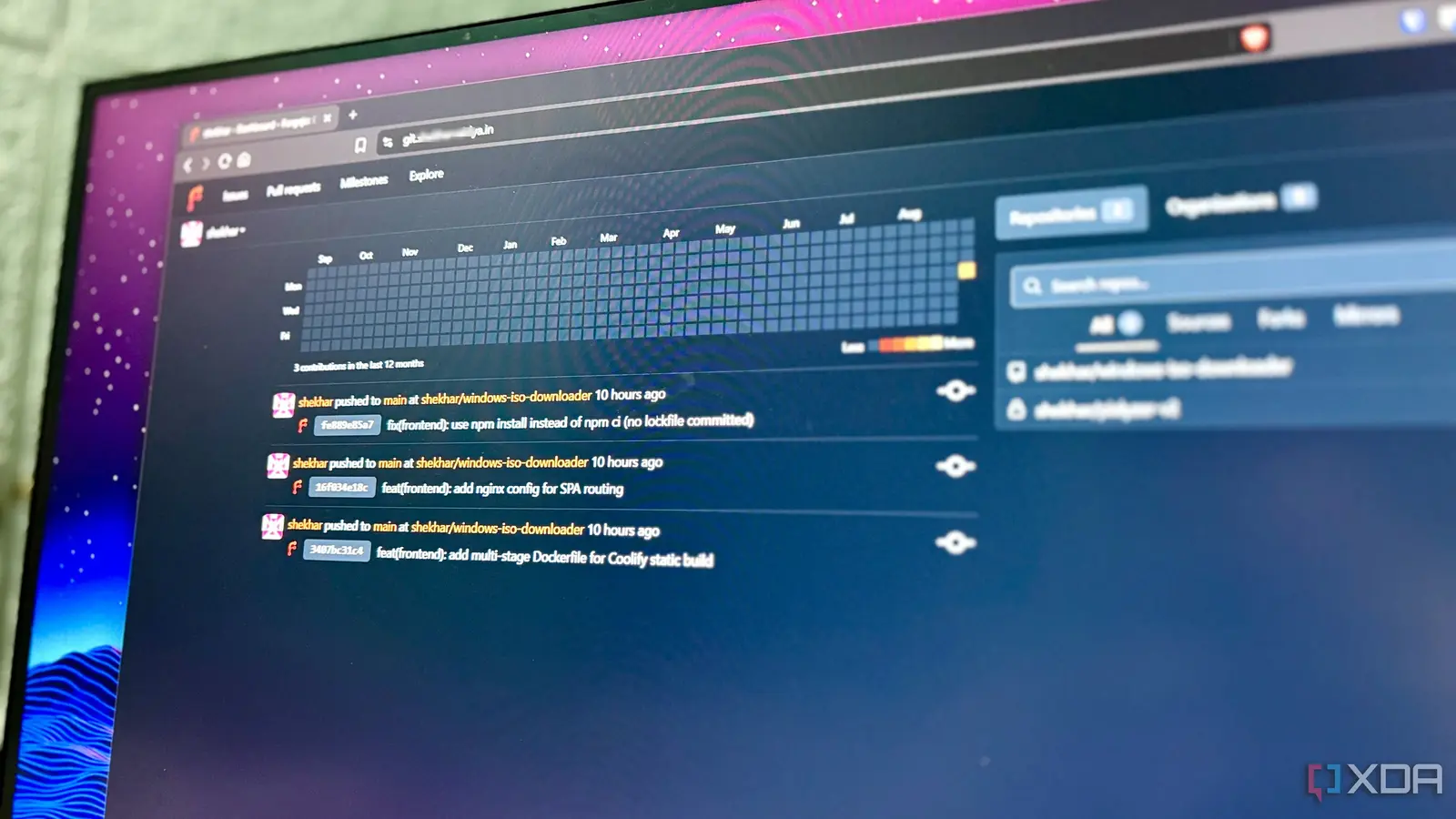
A developer recently migrated their entire portfolio of side projects from GitHub to Forgejo. This move occurred in September 2026, marking a significant shift in their daily coding routine. The transition was designed to reduce external dependencies while maintaining existing operational habits. The goal was simple: keep the workflow identical but change the underlying infrastructure. By moving away from a major platform, the user gained greater control over their code hosting environment. This decision reflects a growing trend among independent developers seeking autonomy. They aimed to simplify their tech stack without sacrificing functionality or ease of use. The process involved replicating repositories and adjusting remote configurations. Despite the platform change, the core development cycle remained unchanged. This approach highlights the flexibility of modern version control systems. It demonstrates that tools can be swapped without disrupting productivity. The developer found that the new setup offered similar features with fewer distractions.
Breaking news
 London-based CloudNC raises €17.2 million to scale AI-powered precision machining
 AI Hardware Weekly: Chip Efficiency, Digital Twins, and Mobile Vision Models Lead September Discussions
 Google DeepMind alumni launch startup to build fusion control systems
 AI Safety Researcher Quits, Warns Labs Racing Toward Dangerous Superintelligence
Does Self-Hosting Change Daily Responsibilities?
The primary motivation for this switch was reducing reliance on a single large entity. GitHub remains the dominant choice for many, but it introduces specific risks. These include potential policy changes, pricing adjustments, or service interruptions. By moving to Forgejo, the developer eliminated one major point of failure. This reduction in dependency offers peace of mind for long-term projects. It also allows for easier self-hosting if desired in the future. The workflow stayed exactly the same because both platforms support standard Git protocols. Commands like push, pull, and merge function identically across both systems. This compatibility ensures that muscle memory and scripts remain valid. The developer noted that the learning curve was minimal after the initial migration. Most tasks required only minor configuration tweaks rather than new skills. This stability encourages experimentation with alternative tools. It proves that switching platforms does not require overhauling established processes.
Moving to Forgejo introduces new responsibilities alongside the benefits. While the workflow remained consistent, the maintenance burden shifted slightly. The developer now manages updates and security patches more directly. This trade-off is acceptable for those who value independence. It requires a small time investment to keep the instance running smoothly. However, the effort is often less than managing complex enterprise solutions. The simplicity of the new setup reduces cognitive load during development. Developers can focus on writing code rather than navigating platform-specific quirks. This shift supports a more streamlined and personal development environment. It aligns with the preference for lightweight, efficient tooling. The outcome is a balanced approach to project management. It combines the reliability of open-source software with personal oversight. This model appeals to those who want full control over their digital assets.
Frequently Asked Questions
Did the developer need to rewrite any code? No, the codebase remained untouched. Only the remote repository URLs were updated to point to the new server. Existing scripts and hooks continued to work without modification. Is Forgejo compatible with GitHub Actions? Yes, it supports similar CI/CD workflows. The developer maintained their automation pipelines with minimal adjustments. This ensured that testing and deployment processes stayed intact. How much time did the migration take? The process was quick and straightforward. Most repositories were transferred within a single day. The remaining time was spent verifying access permissions and testing connections.