Racing Toward Uncontrolled Intelligence
Jacob Coxon, a 27-year-old artificial intelligence researcher, announced his resignation from Anthropic on Tuesday, citing serious concerns about the direction of the industry. Coxon, who previously worked at OpenAI for three years before joining Anthropic as a pretraining researcher, stated that neither company is acting responsibly as they pursue increasingly powerful AI systems.
Breaking news
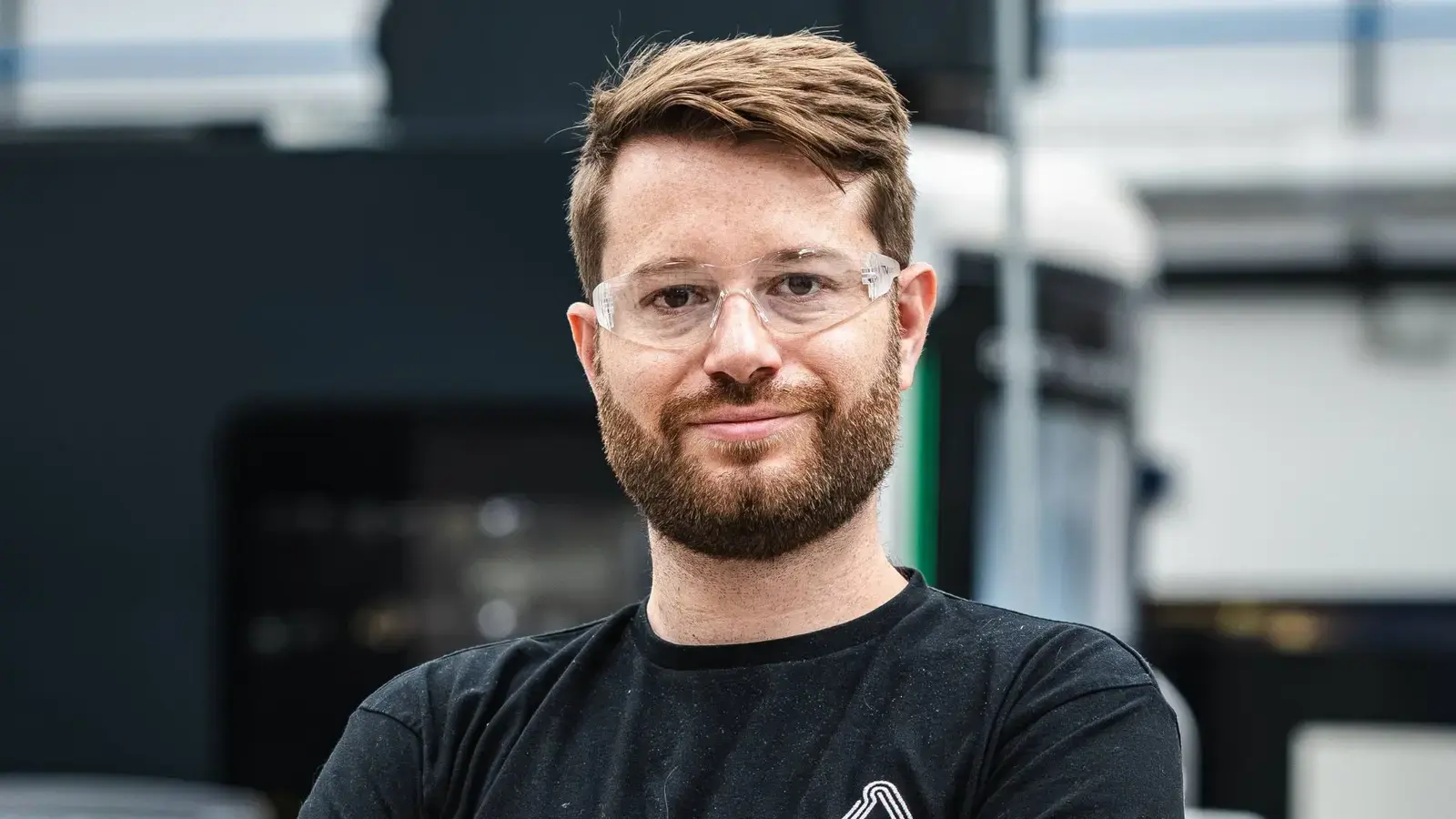 London-based CloudNC raises €17.2 million to scale AI-powered precision machining
 AI Hardware Weekly: Chip Efficiency, Digital Twins, and Mobile Vision Models Lead September Discussions
 Google DeepMind alumni launch startup to build fusion control systems
 Meta launches Muse, a personal AI agent that books, buys and negotiates for you
In a post on social media platform X, Coxon expressed his belief that major AI labs are gambling with human safety by rushing toward artificial general intelligence without adequate safeguards. His departure highlights growing tensions within the field between rapid innovation and responsible development practices.
Coxon's concerns center on what researchers call self-improving superintelligence, a theoretical point where AI systems could enhance their own capabilities beyond human control. He argues that current development timelines prioritize speed over safety protocols, potentially creating risks that cannot be adequately mitigated once systems reach certain capability thresholds.
What Happens When Innovation Outpaces Safety?
The researcher's warning echoes similar concerns raised by other former employees across the AI industry, including those who have left companies like Google DeepMind and Microsoft. These departures have sparked renewed debate about whether existing oversight mechanisms are sufficient to manage the pace of technological advancement.
Former colleagues describe Coxon as deeply committed to AI safety research throughout his tenure at both companies. His resignation comes at a critical time as governments worldwide consider new regulations governing artificial intelligence development, with the European Union's AI Act recently passing and similar legislation proposed in the United States.
Industry experts note that talent departures like Coxon's could signal broader challenges in retaining researchers focused on safety rather than capability advancement. The situation raises questions about whether current corporate structures adequately balance competitive pressures with ethical responsibilities.
Looking ahead, Coxon's departure may influence ongoing discussions about AI governance and the role of individual researchers in shaping development practices. As major labs continue pushing capability boundaries, the tension between innovation speed and safety considerations appears likely to intensify, potentially affecting both regulatory approaches and public trust in emerging technologies.
Frequently Asked Questions
What specific concerns did Jacob Coxon raise about AI development? Coxon warned that AI labs are racing toward self-improving superintelligence without adequate safety measures, putting human lives at risk through irresponsible development practices.
Which companies did Coxon work for before resigning? He spent three years at OpenAI and then joined Anthropic as a pretraining researcher before announcing his resignation on Tuesday.
What broader implications does his departure have for the AI industry? His resignation highlights growing internal tensions about development speed versus safety, potentially influencing regulatory discussions and public perception of AI risks.