Bridging the Software Gap
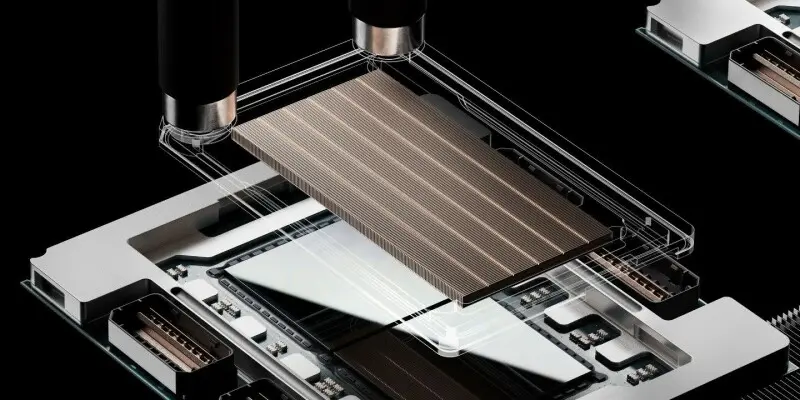
IBM has announced a new chip that can natively execute both Arm and Z instructions at the same time. This development is part of the company's plan to expand the range of software that can run on its mainframes. The new chip is expected to be a significant improvement over current technology.
Breaking news
 Canonical’s Web Presence Hit by Second DDoS Assault This Year
 Loops AI Secures $3.5 Million to Power a New AI Operating System for E‑Commerce
 Winverse AI Secures Tens of Millions in Seed Funding from DeepSeek and Long‑Z
 Google Adds Pixel 9 Series to Certified Refurbished Store
Can IBM's Chip Revive Mainframe Software Development?
The new chip is a response to the growing trend of independent software vendors (ISVs) focusing their efforts on other platforms. By allowing mainframes to run a wider range of software, IBM hopes to make its systems more appealing to developers and users. The company believes that this will help to increase the adoption of its mainframes in various industries.
What is the significance of IBM's new chip?
The question remains whether IBM's new chip will be enough to revive software development for mainframes. The company's mainframes have traditionally been used for high-end computing tasks, but the lack of software support has limited their appeal. With the new chip, IBM is hoping to change this and make its mainframes a more viable option for developers.
IBM's new chip is significant because it allows mainframes to run both Arm and Z instructions natively. This means that developers can create software that can run on mainframes without the need for emulation or translation.
How will the new chip affect software development for mainframes?
The new chip is expected to make software development for mainframes more appealing to developers. With the ability to run a wider range of software, mainframes may become a more viable option for developers who previously focused on other platforms.
What are the potential consequences of IBM's new chip?
The potential consequences of IBM's new chip are significant. If successful, it could lead to an increase in software development for mainframes, making them a more attractive option for users. However, if the chip fails to gain traction, it could further limit the appeal of mainframes in the market.