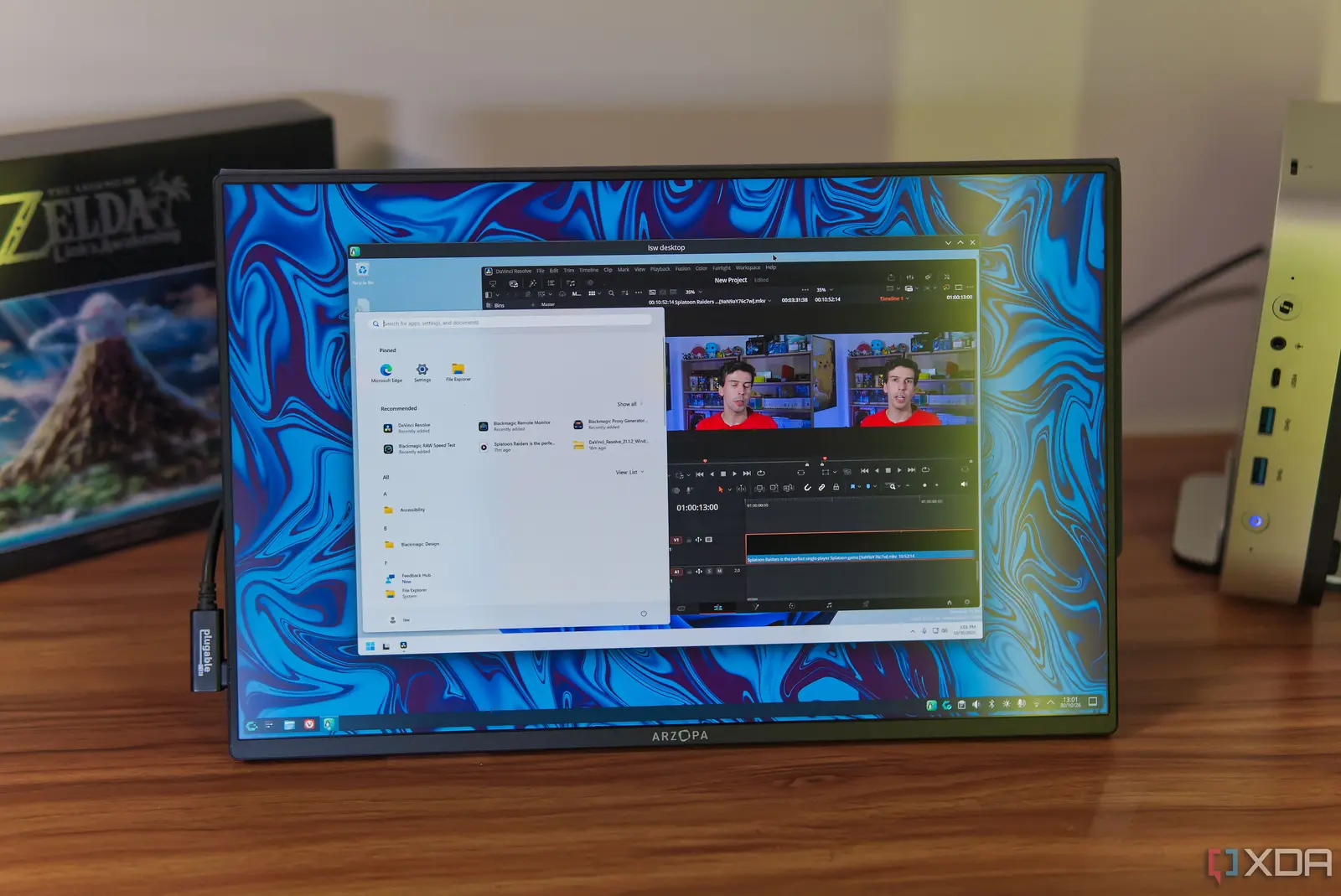
How the New Compatibility Layer Functions
A new compatibility layer called LSW allows Linux users to run native Windows applications directly on their systems. This development marks a significant milestone for the open-source community. It addresses the long-standing software gap that prevented many from switching operating systems. Early testers have already begun exploring the new technology. The solution aims to make Linux a viable daily driver for professional users.
Breaking news
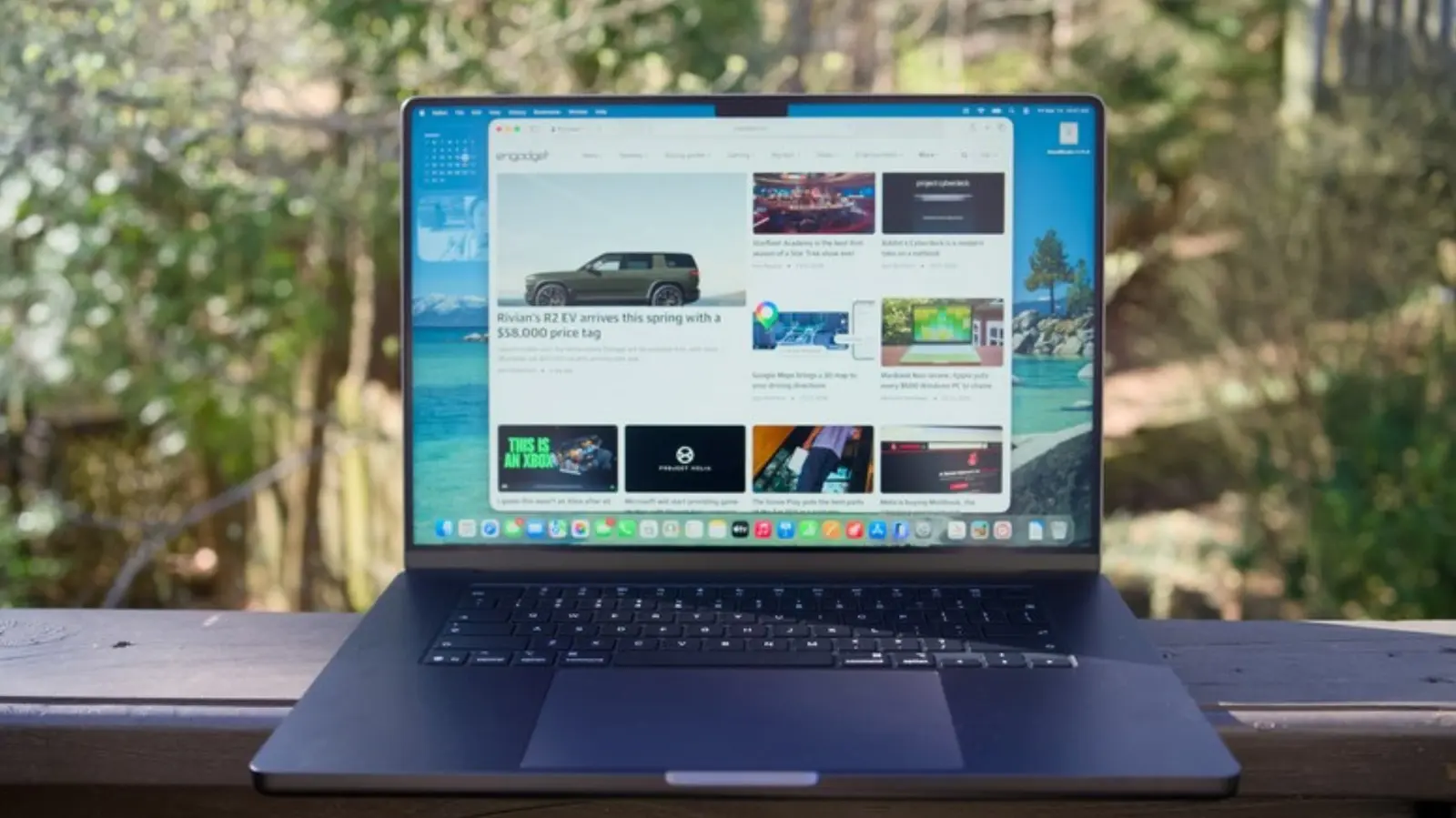 MacBook Pro Battery Evolution: Comparing 2011 to 2026
 OpenAI Chief Executive Visits Tech Giants to Secure Critical Memory Supplies
 Finnish Police Launch Criminal Probe into Google’s Muhs Data Centre Over Alleged Environmental Harm
 Brooklyn Midterm Event Highlights Growing Concerns Over Data Center Expansion
The primary obstacle for Linux adoption has always been software availability. While the operating system is robust, major commercial applications often lack native ports. Existing solutions like Wine provide a compatibility layer but have limitations. They struggle with complex, modern software suites. Virtualization offers another path but requires significant hardware resources. Without GPU passthrough, performance is often unacceptable for creative work. LSW attempts to bridge this specific gap with a more integrated approach.
The new system operates by translating Windows API calls into Linux system calls in real time. This process happens seamlessly in the background, allowing users to interact with Windows apps as if they were native. Unlike traditional emulation, this method reduces the performance overhead significantly. Users can install popular productivity and creative tools without dual-booting. The integration with the desktop environment is designed to be smooth. File sharing between the two environments is also simplified.
Will This Finally End the Windows Monopoly?
Early feedback suggests that common office applications run with high stability. Creative suites, which were previously impossible to run, are now accessible. This change could drastically alter the workflow for designers and developers. The technology relies on advanced binary translation techniques. It handles complex graphics rendering more efficiently than previous attempts. Developers are working to expand the library of supported applications. The goal is to cover the vast majority of Windows software used in professional settings.
The introduction of LSW could shift the balance of power in desktop computing. For years, Windows held a dominant position due to exclusive software support. This new tool removes that primary advantage. Users no longer need to choose between a secure, open system and essential software. The economic implications are also significant for hardware manufacturers. They can now market Linux-based devices to a broader audience. Corporate IT departments may begin testing these setups for employee laptops. Security experts are closely monitoring the new compatibility layer. They want to ensure that running untrusted code does not introduce vulnerabilities.
The outlook for Linux desktop usage appears brighter than ever before. If LSW matures quickly, it could become a standard feature in major distributions. This would level the playing field for open-source advocates. The barrier to entry for new users will drop dramatically. Companies that rely on specific Windows-only tools may reconsider their OS strategy. The transition period will likely take time, but the foundation is now laid. Users who have waited for a true solution can finally test the waters. The era of software compatibility issues may be coming to a close.
Frequently Asked Questions
Does LSW require a dual-boot setup? No, the system runs Windows applications directly within the Linux environment. Users do not need to restart their computers to switch operating systems.
Which applications are currently supported? Early versions support major office suites and common productivity tools. Support for complex creative software is expanding rapidly.
Is there a performance penalty? The performance impact is minimal for most standard tasks. Advanced binary translation ensures that applications run close to native speeds.