The Silicon Revolution and Modern Efficiency
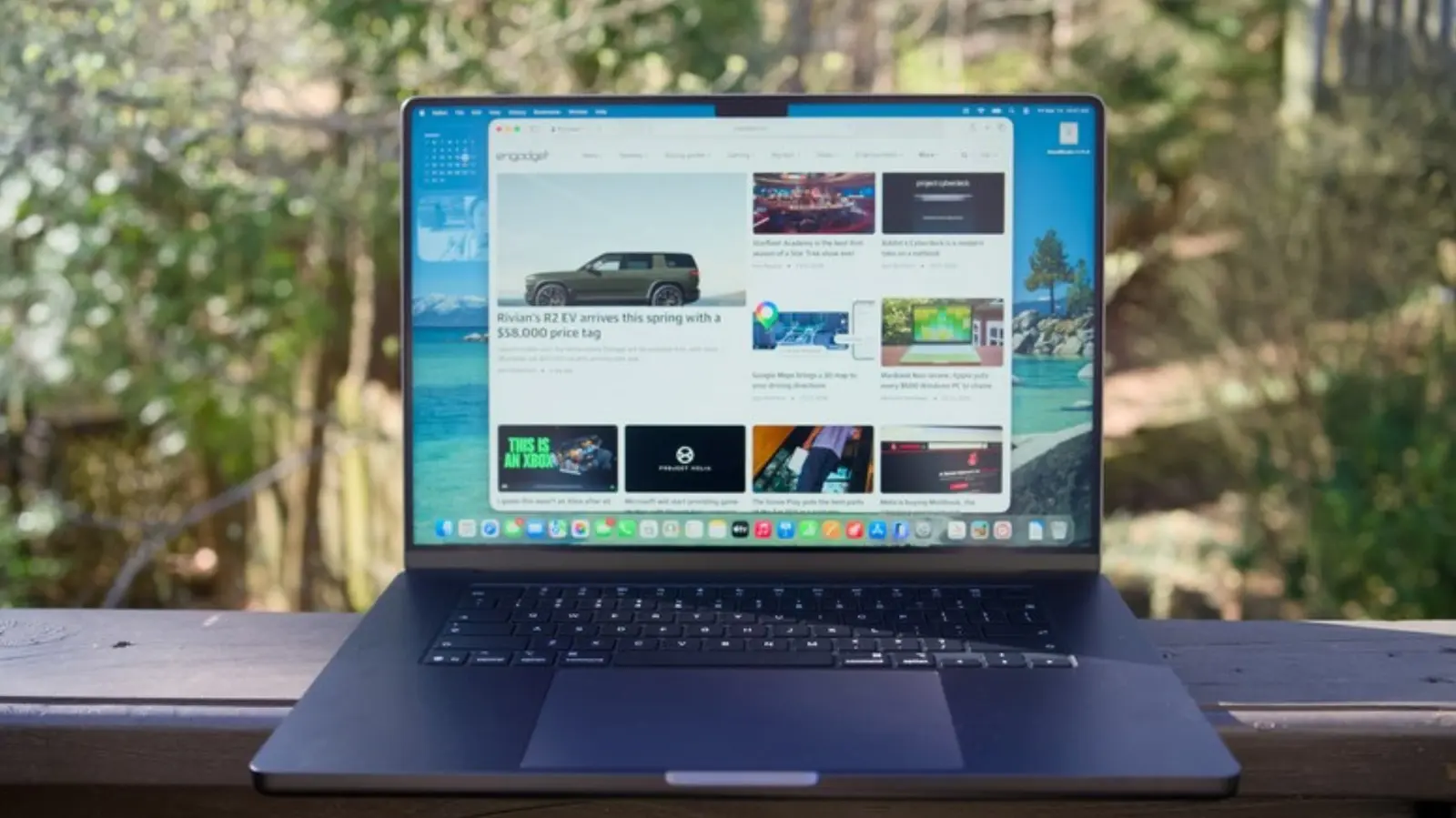
Fifteen years ago, a standard video playback test on a 15-inch Apple MacBook Pro from early 2011 achieved a respected seven hours of battery runtime. Back then, technology reviewers praised this endurance as a remarkable achievement for a high-performance portable computer.
Breaking news
 OpenAI Chief Executive Visits Tech Giants to Secure Critical Memory Supplies
 Finnish Police Launch Criminal Probe into Google’s Muhs Data Centre Over Alleged Environmental Harm
 Brooklyn Midterm Event Highlights Growing Concerns Over Data Center Expansion
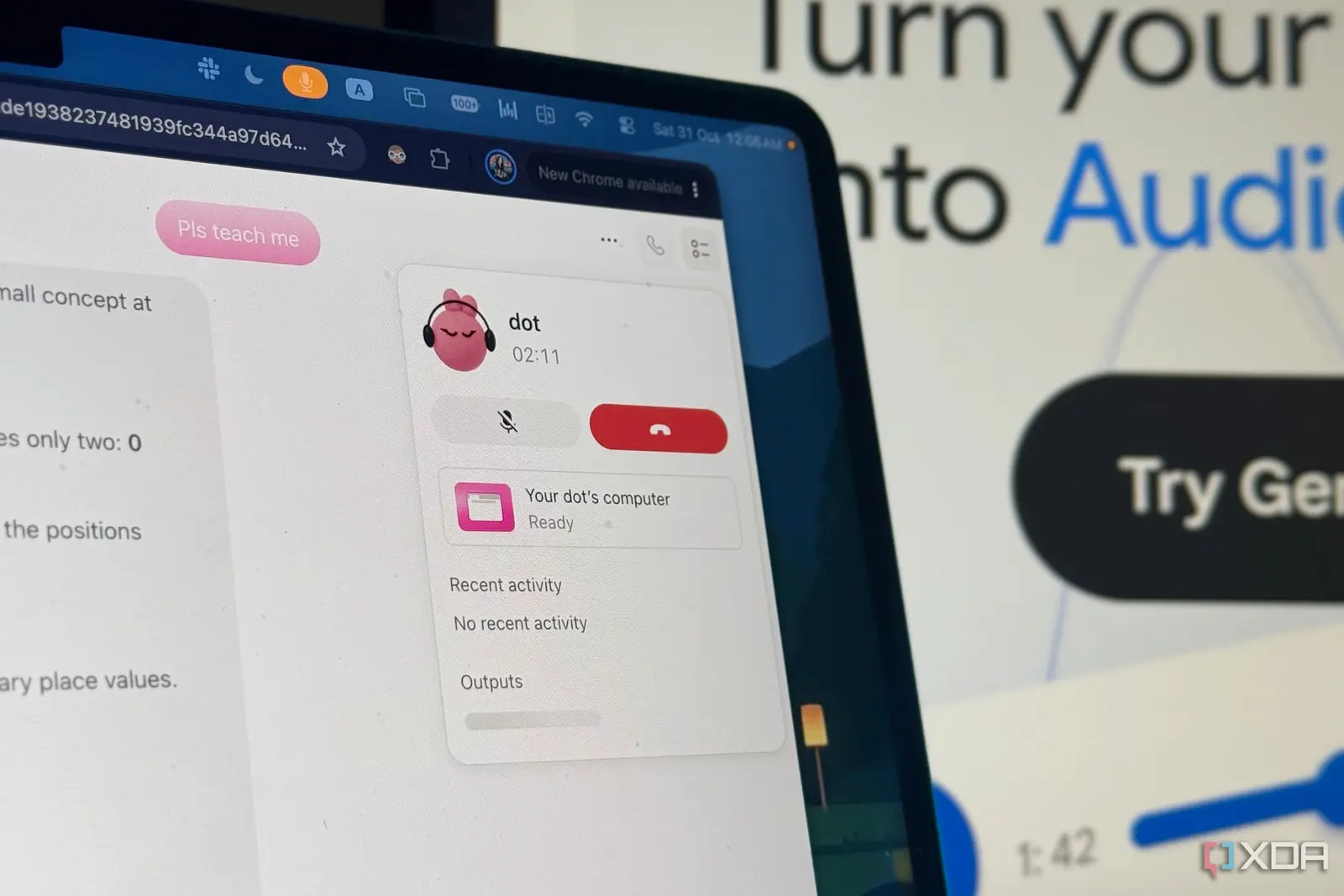 NotebookLM's AI podcasts were my favorite way to study, but ChatGPT Dots might change that
That early 2011 machine set a strong benchmark for mobile workstations of its era. Users relied on spinning hard drives or early solid-state disks alongside power-hungry processors. Getting a full workday away from a wall outlet required careful power management and dimmed screen brightness.
Apple's transition to proprietary silicon completely transformed energy management inside modern portable computers. Today's advanced processors execute complex computational tasks while drawing a fraction of the electrical current used by older architectures.
Can Modern Laptops Outlast Older Generations?
Modern engineering allows massive performance increases without sacrificing the thermal limits of a thin aluminum chassis. Battery capacity has also grown smarter, adapting dynamically to active workloads and background processes to preserve maximum charge throughout the day.
Current M-series processors deliver exceptional power efficiency that far exceeds the capabilities of hardware from the early 2010s. Users now experience multi-day usage under normal office conditions without ever searching for a charger.
Frequently Asked Questions
The gap between legacy performance and current hardware highlights how far mobile computing has progressed over fifteen years. As processor architecture continues to evolve, future devices will likely push energy efficiency to even greater heights.
How long did the 2011 MacBook Pro last? The 15-inch model from early 2011 delivered about seven hours of battery life during standard video rundown tests. Reviewers considered this impressive performance for a portable workstation at the time.
What changed between 2011 and 2026? Apple shifted to advanced custom silicon processors that offer significantly higher performance while consuming drastically less electrical power than older chip designs.