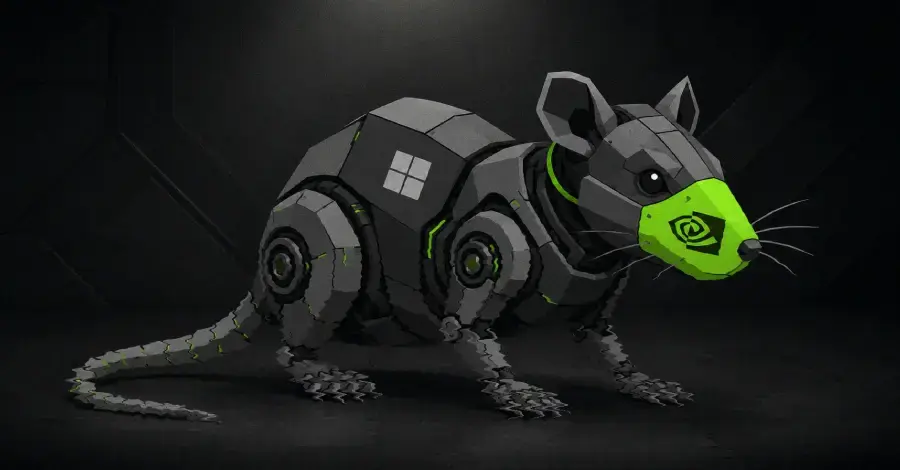
Deception Techniques Used by LabubaRAT
Cybersecurity researchers have identified a previously unknown remote access trojan (RAT) called LabubaRAT, which targets Windows hosts. The malware is written in Rust and was discovered by Blackpoint Cyber researchers Sam Deck and others. It has been active, masquerading as NVIDIA software.
Breaking news
 Samsung Shifts Galaxy Watch Strategy to Two-Year Release Cycle
 Tesla rolls out FSD v15 with major safety upgrade
 Open-Source Tools Challenge AI-Powered Development Platforms
 AI Infrastructure Bottlenecks: Why Release Pipelines Hold Back Fast Clusters
The attackers behind LabubaRAT use the malware to create a persistent presence on compromised systems, allowing for hands-on activity. By disguising itself as legitimate NVIDIA software, LabubaRAT blends into the target environment, making it harder to detect.
Can Security Teams Keep Up with Evolving Malware?
LabubaRAT's ability to masquerade as NVIDIA software is a clever tactic, as many organizations use NVIDIA graphics processing units (GPUs) and software. This allows the malware to evade detection by appearing as a legitimate process. The use of Rust as the programming language also makes it challenging for security researchers to analyze the malware.
The discovery of LabubaRAT highlights the evolving tactics of threat actors, who are continually adapting to evade detection. As Deck and his team noted, the malware creates a reusable foothold for malicious activity.
The emergence of LabubaRAT raises concerns about the ability of security teams to detect and respond to sophisticated threats. As malware authors continue to innovate, security teams must stay vigilant and improve their detection capabilities.
Frequently Asked Questions
The consequences of a successful LabubaRAT infection can be severe, with potential data breaches and system compromise. As the threat landscape continues to evolve, organizations must remain proactive in their cybersecurity efforts.
What is LabubaRAT? LabubaRAT is a Rust-based remote access trojan that disguises itself as NVIDIA software to control Windows hosts. How does LabubaRAT evade detection? It masquerades as legitimate NVIDIA software, making it harder to detect. What are the potential consequences of a LabubaRAT infection? A successful infection can lead to data breaches and system compromise.