The device now relies on voice commands, motion tracking, and environmental
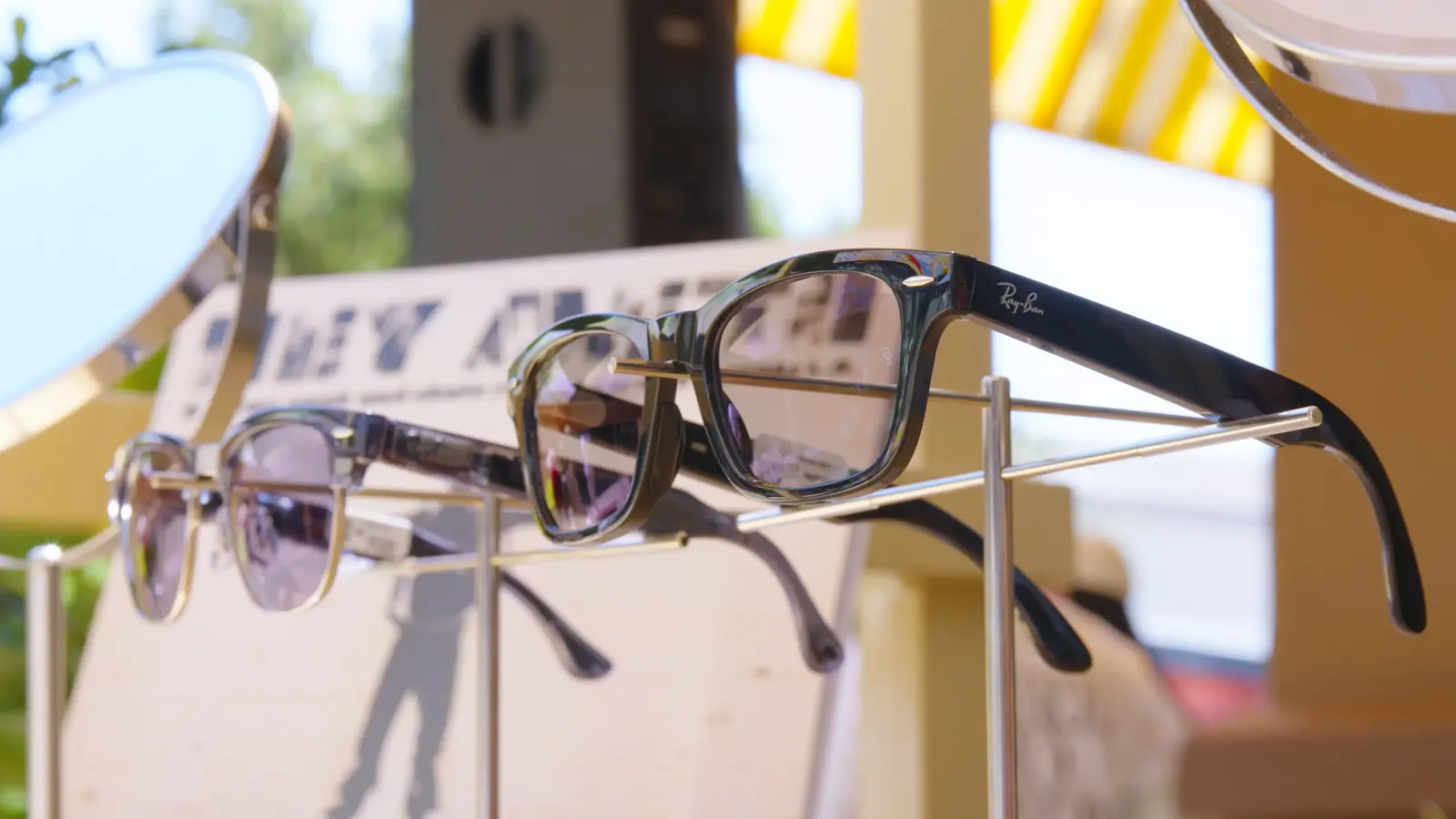
Meta unveiled its newest smart glasses at Connect 2026, removing the camera entirely from the design. The announcement came during the company's annual developer conference held in Menlo Park, California, where attendees were seen wearing various prototypes. This shift marks a notable change from previous models that included built-in imaging capabilities for augmented reality experiences. The decision to exclude the camera stems from user feedback and privacy concerns raised over earlier versions. Meta executives explained that the new focus is on lightweight audio interaction and contextual awareness through sensors other than visual input. By eliminating the camera, the glasses aim to reduce bulk and address societal unease around constant recording in public spaces.
Breaking news
 Canonical’s Web Presence Hit by Second DDoS Assault This Year
 Loops AI Secures $3.5 Million to Power a New AI Operating System for E‑Commerce
 Winverse AI Secures Tens of Millions in Seed Funding from DeepSeek and Long‑Z
 Google Adds Pixel 9 Series to Certified Refurbished Store
The device now relies on voice commands, motion tracking, and environmental audio cues to deliver information. How Audio-First Design Changes User Interaction Without a camera, the glasses depend on beamforming microphones and accelerometers to interpret gestures and voice prompts. Users can receive real-time translations, navigation cues, and calendar alerts through discreet audio feedback. Meta claims this approach improves battery life by up to 40% compared to camera-equipped predecessors. Early testers noted the experience feels less intrusive, though some expressed disappointment at losing photo and video capture functions. What Trade-Offs Come With Removing Visual Sensors? The absence of a camera limits the glasses’ ability to overlay digital objects onto the physical world in real time. Features like live object recognition or AR-based gaming are no longer supported. However, Meta argues that most users prioritized communication and utility over immersive visuals.
The company plans to compensate with enhanced AI-driven audio processing, allowing the device to infer context from soundscapes and user behavior patterns. Frequently Asked Questions Why did Meta remove the camera from its new smart glasses? Meta removed the camera in response to privacy concerns and user preference for less conspicuous wearable technology. The company aims to reduce social friction and improve comfort by eliminating perceived surveillance risks. Can the glasses still take photos or videos without a camera? No, the current model lacks any imaging hardware and cannot capture photos or video. Meta suggests users rely on smartphones or other devices for visual documentation. Will future versions of the glasses include a camera again? Meta has not ruled out reintroducing cameras in future iterations but emphasized that any return would depend on solving privacy safeguards and gaining broader public acceptance.