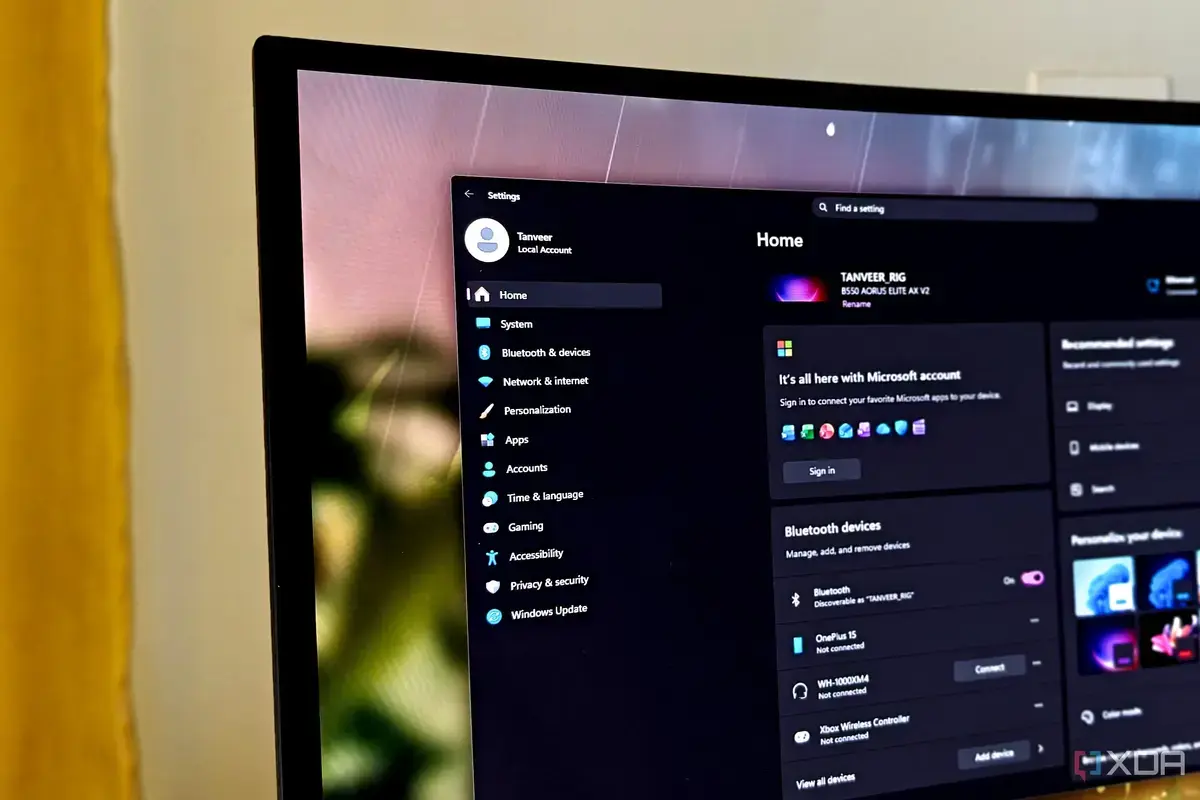
Financial Pressure on Hardware Manufacturers
Microsoft is reportedly preparing to increase the licensing costs for Windows 11 by seven to ten percent. This anticipated shift comes as the global hardware market faces significant financial pressure. Industry analysts suggest the change could take effect later this year, potentially impacting the final retail prices of new consumer computers.
Breaking news
 Canonical’s Web Presence Hit by Second DDoS Assault This Year
 Loops AI Secures $3.5 Million to Power a New AI Operating System for E‑Commerce
 Winverse AI Secures Tens of Millions in Seed Funding from DeepSeek and Long‑Z
 Google Adds Pixel 9 Series to Certified Refurbished Store
The software giant has not yet issued an official statement regarding the specific percentage adjustments. However, internal reports indicate that original equipment manufacturers will likely absorb these higher costs. This move follows a period of volatile hardware pricing, which has already strained consumer budgets and slowed overall PC sales across the global technology sector.
Computer manufacturers are currently navigating a difficult economic environment characterized by rising supply chain costs. By raising the price of Windows licenses, Microsoft adds another layer of expense to the production of new laptops and desktops. Companies must now decide whether to pass these costs directly to buyers or reduce their own profit margins.
Will Consumers Face Higher Retail Costs?
Many experts believe that major brands will choose to increase retail prices to maintain their current financial standing. This could make entry-level machines significantly more expensive for students and budget-conscious users. The market remains sensitive to price fluctuations, as many households are already cutting back on non-essential technology upgrades.
The primary concern for the average shopper is whether this licensing fee increase will lead to a noticeable jump in store prices. If manufacturers choose to raise prices, consumers will likely see a higher sticker price on new Windows-based hardware starting in the coming months. This trend may discourage some potential buyers from upgrading their existing systems.
The long-term impact remains uncertain as the industry balances software costs with declining hardware demand. If sales continue to slide, Microsoft might face pressure to reconsider its pricing strategy to remain competitive. For now, the market is bracing for a potential increase in the cost of entry for new computing hardware.
Frequently Asked Questions
How much will the Windows 11 license cost increase? Reports suggest that Microsoft is planning a hike between seven and ten percent. This change is expected to affect the licensing fees paid by computer manufacturers.
Will this change affect current Windows 11 users? No, the price increase applies to new licenses sold to hardware manufacturers. Existing users will not see a change in their current software costs.
Why is Microsoft increasing these fees now? The company has not provided a public reason for the adjustment. Industry observers link the decision to broader economic challenges affecting the global hardware market.