
Methodology Update and Its Impact
The TIOBE Index now incorporates Mandarin Chinese search queries. This expansion means some ranking shifts may reflect broader data coverage rather than abrupt changes in developer preference. While the index tracks popularity through searches related to qualified engineers, courses, and third‑party vendors, the new data layer requires careful comparison with historical trends to separate genuine interest growth from statistical artefacts.
Breaking news
 SolidCraft Launches Open-Source Parametric CAD Tool Written Entirely in Rust
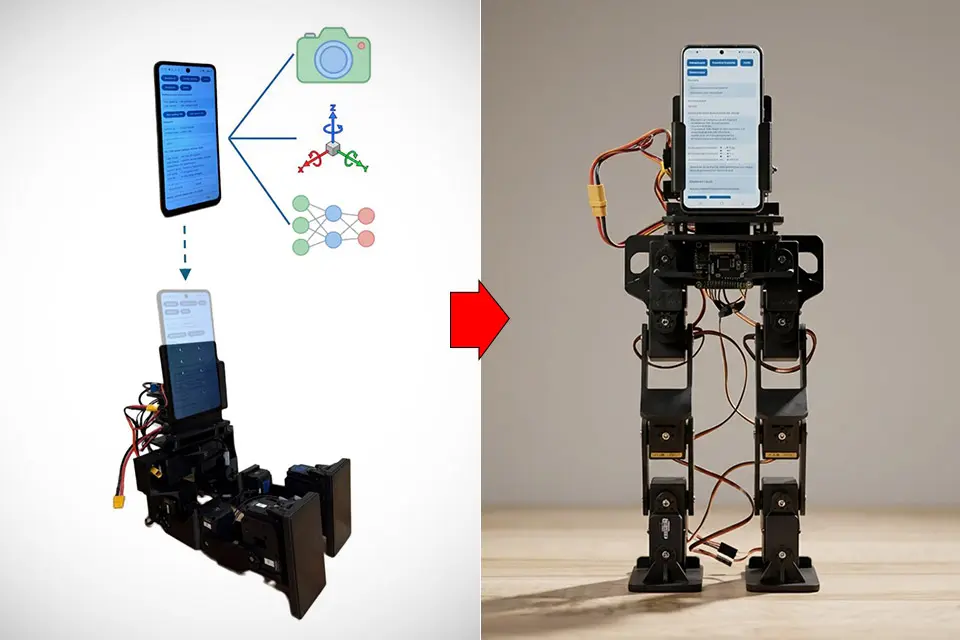 UCLA PhoneBot Turns Discarded Smartphones Into Walking Robot Companions
 Nvidia's AI Chip Shipments to China Drop Sharply in First Half of 2026
 Google Redesigns Gemini Chat with Integrated Task Features
Python Maintains Leadership with a Narrower Margin
Python remains the undisputed leader, climbing from 17.76% to 19.23% in October. This reversal of September’s decline keeps it firmly at the top, though it remains 5.23 percentage points below its October 2025 level. The margin is slimmer than initially expected, partly due to the methodology change.
C and C++ Shift the Competitive Landscape
C surged from 10.28% to 11.33%, now 2.04 points above last year’s share, widening the gap to C++. C++ improved to 8.87%, while Java sits at 8.41%. The difference between them has fluctuated: 0.37 points in August, 1.13 in September, and now 0.46. This volatility keeps the third‑place battle uncertain, even though the order remains unchanged month‑to‑month.
C#, JavaScript, and Visual Basic Close the Gap
C# fell to 3.79%, now 4.62 points behind Java but only 1.02 ahead of JavaScript. JavaScript holds sixth with 2.77%, and Visual Basic is seventh at 2.20%. R’s rise to 2.06% pressures this segment, as the gap between seventh and eighth is just 0.14 points.
R Climbs to Eighth, SQL Drops
R moved up to eighth, surpassing SQL, which fell to 1.97%. Compared to October 2025, R jumped from 13th to eighth, while SQL went from tenth to ninth. Rust holds tenth for the fourth consecutive month at 1.44%, closely followed by Go at 1.39%. Rust’s long‑term ascent is notable, though a 0.05‑point shift suggests minimal effort is needed for a rank change. Small differences among lower‑tier languages indicate potential future fluctuations, though monthly moves do not necessarily signal widespread adoption trends.
Julia’s Historic Return to the Top 20
Julia climbed to 18th with 0.88%, moving from 21st last month and 30th a year ago. This 12‑place jump supports TIOBE CEO Paul Jansen’s claim that Julia’s current presence may be more sustainable than its previous top‑20 runs. Jansen attributes Julia’s appeal to a blend of performance and accessibility. While Python offers easy numeric computing with speed limits, and C++ delivers high performance at a steep learning curve, Julia aims to occupy the middle ground. It could build a durable niche audience without directly competing with Python for overall popularity.
Future Challenges
At 0.88%, Julia sits only 0.06 points above Ada, which is 21st. There is little room for maneuver near the top‑20 threshold. Over the long term, October’s results illustrate how language hierarchies can shift significantly even when the top performers remain relatively stable. Continuous monitoring of popularity indicators is essential to identify leaders and understand the broader programming ecosystem’s evolution.