The Early Adoption Curve: Why Games Were Slow to Embrace Ray Tracing
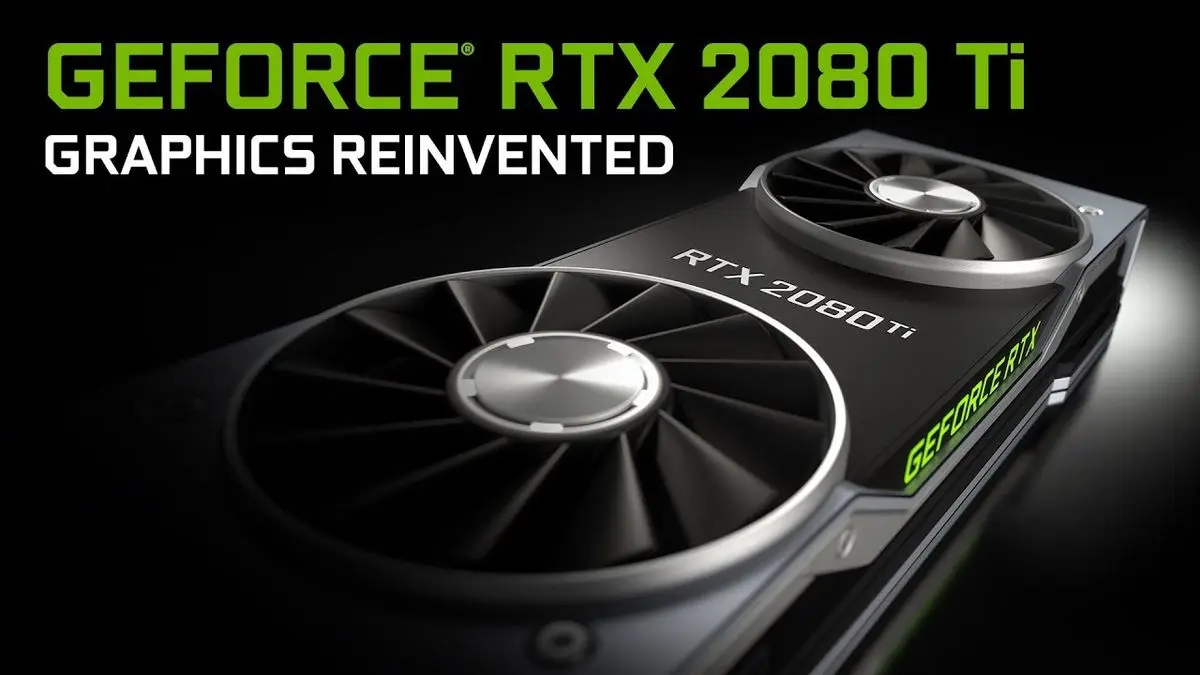
On September 20, 2018, Nvidia released its first consumer Turing GPUs, the GeForce RTX 2080 and 2080 Ti. These cards introduced real‑time ray tracing to mainstream gaming, sparking a wave of interest that has shaped the industry for the past eight years. Enthusiasts and developers alike celebrated the leap in visual fidelity, even though early titles offered limited support for the new technology.
Breaking news
 OpenAI's Approach to EU Text Provenance Rules
 Tencent Secures Massive AI Chip Lease from Oracle in Southeast Asia
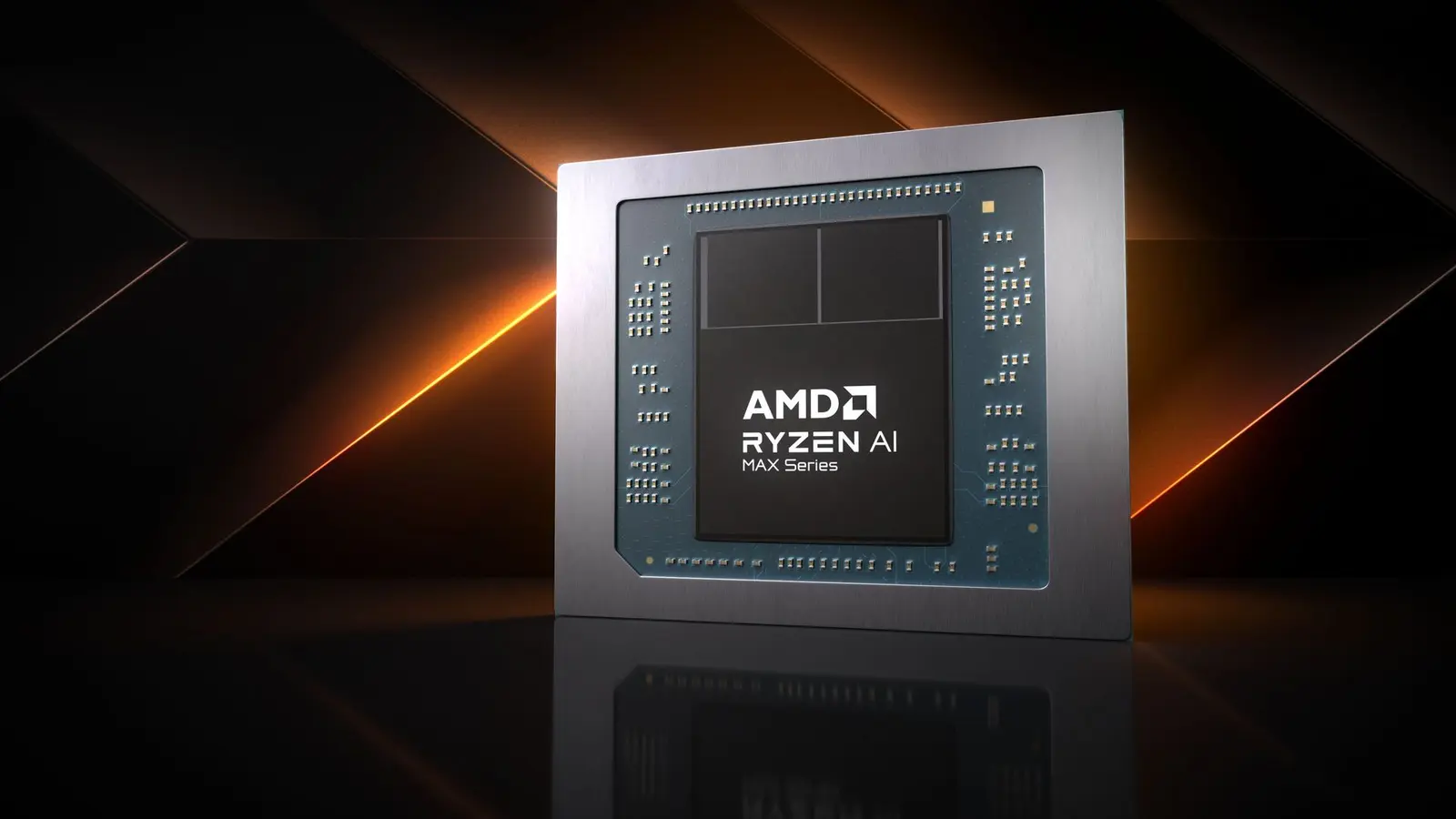 AMD Preempts Nvidia RTX Spark Launch with Gorgon Halo Benchmarks
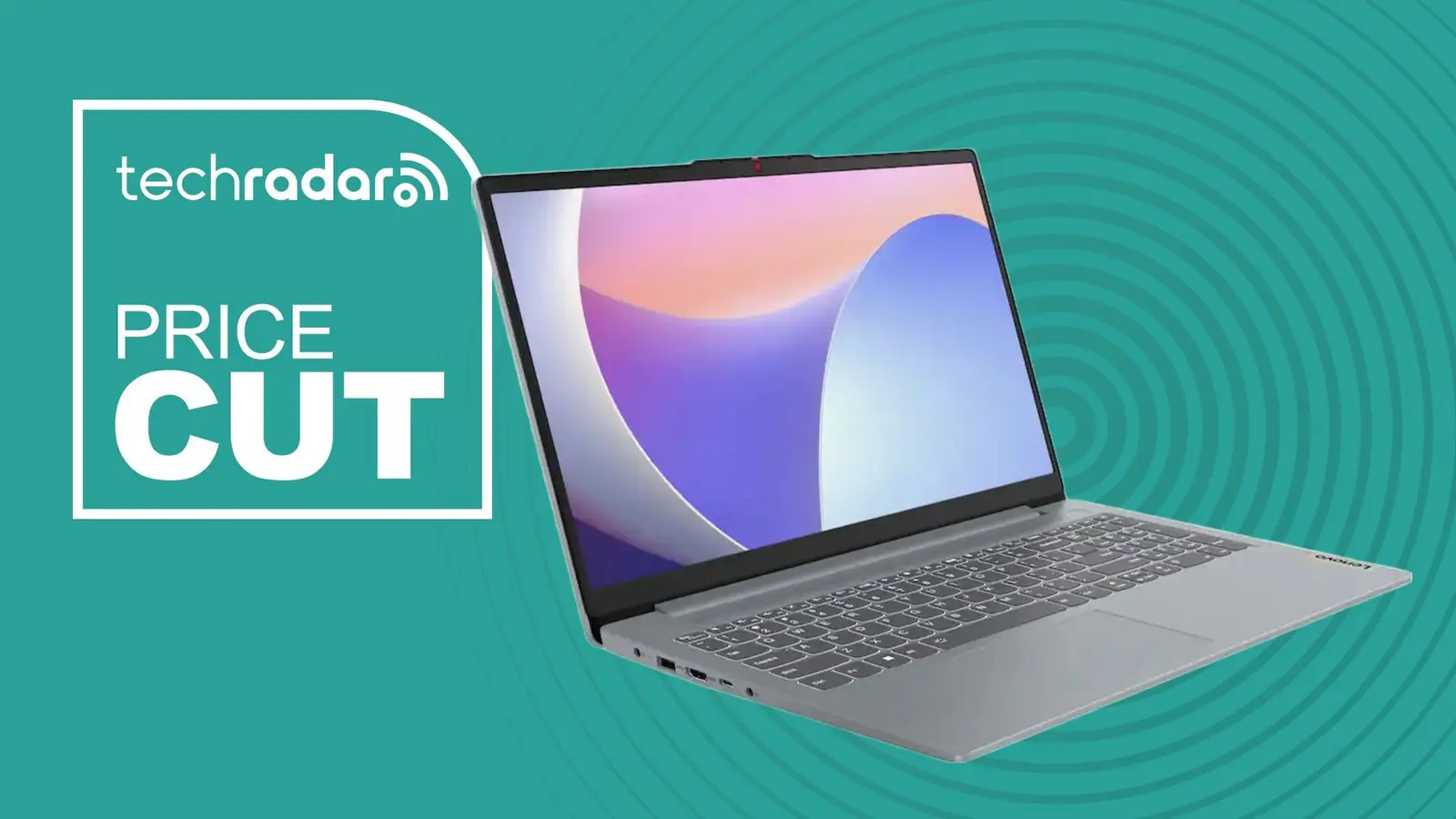 Lenovo IdeaPad Slim 3i with 16GB RAM and Core i5 Processor Sees $400 Price Cut at Best Buy
Nvidia’s Turing architecture combined traditional rasterization with a dedicated RT core and Tensor core, enabling both realistic lighting and accelerated AI features such as DLSS. The company claimed the design was the result of two decades of research, positioning the RTX 20 series as a milestone in GPU evolution. Initial games like Control and Battlefield 1 showcased ray‑traced reflections and shadows, but many titles still relied on conventional rendering pipelines, leaving developers to decide how aggressively to adopt the new features.
How Ray Tracing Has Changed Game Design and Player Expectations
When the RTX 20 series debuted, game studios faced a dilemma. Implementing ray tracing required significant code changes and performance trade‑offs. Many studios opted for hybrid approaches, using ray tracing for high‑impact effects while keeping the bulk of rendering on rasterization. This strategy allowed players to enjoy improved visuals without sacrificing frame rates, but it also meant that the full potential of the technology remained untapped in 2018. Over time, as developers gained experience and hardware performance improved, the adoption rate accelerated, leading to a broader library of ray‑traced titles.
Ray tracing has influenced level design, lighting models, and even narrative elements. Designers now craft environments with realistic reflections, global illumination, and dynamic shadows that respond to player movement. Players, in turn, expect these visual cues to enhance immersion. The demand for higher fidelity has pushed hardware manufacturers to release more powerful GPUs, while software developers have integrated AI upscaling techniques to maintain playable frame rates. The result is a virtuous cycle where hardware and software continually push each other forward.
Will Ray Tracing Become Standard or Remain a Luxury Feature?
The future of ray tracing hinges on several factors. First, the cost of high‑end GPUs remains a barrier for many consumers, limiting widespread adoption. Second, game engines like Unreal and Unity have streamlined ray‑tracing workflows, making it easier for developers to incorporate the feature. Finally, emerging technologies such as real‑time global illumination and improved AI upscaling may reduce the performance overhead, making ray tracing more accessible. If these trends continue, ray tracing could become a baseline expectation for next‑generation games, rather than a niche enhancement.
What is the difference between the RTX 2080 and the RTX 2080 Ti? The RTX 2080 Ti offers higher core counts, faster memory, and a larger memory bandwidth, delivering roughly 10–15% more performance than the standard RTX 2080.
Frequently Asked Questions
How does DLSS complement ray tracing? DLSS uses AI to upscale lower‑resolution frames, reducing the computational load of ray tracing while preserving visual quality, thereby improving frame rates.
When can we expect ray tracing to be fully integrated into mainstream titles? As hardware becomes cheaper and engines mature, many studios are already planning full ray‑tracing support in upcoming releases, suggesting a gradual shift over the next few years.