
NVIDIA’s Strategic Bet on Photonic Interconnects
The funding round highlights the urgent need for efficient data movement. Traditional electrical interconnects face physical limits in speed and energy consumption. Silicon photonics offers a viable alternative by using light instead of electricity. This approach reduces heat generation and latency significantly. i Pronics develops hardware that routes optical signals dynamically within a network. Their system allows for flexible reconfiguration without hardware swaps. This agility is essential for the massive parallel processing demands of modern AI models. The company aims to solve the bottleneck between compute chips and memory.
Breaking news
 OpenAI CEO Apologizes Following Chaotic GPT-6 Astra Launch
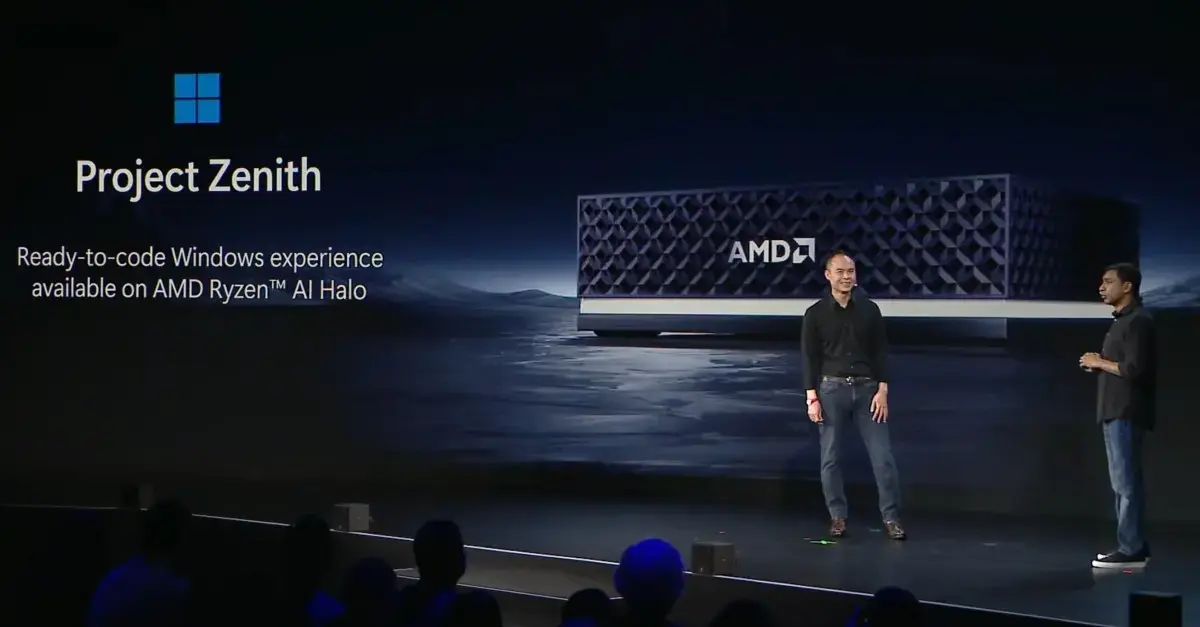 Microsoft Introduces Project Zenith to Streamline Software Development
 London Startup Secures €4.6 Million to Manage Corporate AI Agents
 GPT-6 Astra Achieves Perfect Score on ExploitBench as OpenAI Restricts Exploit Requests
NVIDIA’s participation underscores the shift toward photonic solutions. The chip giant recognizes that GPU clusters require faster communication links. Electrical cables struggle to keep pace with increasing bandwidth requirements. Optical circuits provide higher throughput with lower power draw. i Pronics’ technology enables direct optical connections between accelerators. This eliminates the need for complex conversion processes. The partnership suggests a broader ecosystem integration. It aligns with NVIDIA’s vision for scalable AI factories. By investing in i Pronics, NVIDIA secures a key component for its roadmap. This collaboration may influence other major hardware manufacturers. They will likely follow suit to adopt similar photonic standards. The market is moving away from copper toward glass and light.
Can Silicon Photonics Solve the AI Data Crunch?
The core challenge remains scalability in dense server environments. As AI models grow, so does the data transfer volume. Current architectures often waste energy on signal conversion. i Pronics claims their optical switches handle this load efficiently. Their silicon photonics platform integrates seamlessly with existing chip designs. This compatibility lowers the barrier to entry for data center operators. The technology promises reduced cooling costs for facility managers. Lower thermal loads mean smaller physical footprints for servers. This efficiency gain is crucial for sustainable data center operations. The startup must now prove reliability at scale. Mass production of photonic components presents significant engineering hurdles. Yield rates and manufacturing precision are key metrics to watch. The company has a tight timeline to demonstrate commercial viability.
The successful deployment of this technology could reshape data center design. Operators will prioritize optical backbones over traditional copper wiring. This shift will impact hardware procurement strategies globally. i Pronics stands to become a central player in this transition. The €107.6 million injection provides resources for rapid scaling. It supports hiring, R&D, and supply chain development. If successful, the technology sets a new standard for AI infrastructure. Competitors will face pressure to match performance levels. The race to optimize data flow is intensifying. Investors expect tangible results within the next few years. The outcome will define the future of high-speed computing networks.
Frequently Asked Questions
How much did i Pronics raise in this round? The Valencia-based company secured €107.6 million. NVIDIA led this specific investment round. The funds support the scaling of their optical networking products.
What technology does i Pronics specialize in? They focus on silicon photonics-based optical circuit switching. This hardware uses light to route data signals. It replaces traditional electrical interconnects in data centers.