How GPT-6 Astra Achieved Full Exploit Resistance
OpenAI unveiled GPT-6 Astra on Thursday, calling it the world's most intelligent and aligned AI model, days after confirming it had reached the Critical cybersecurity capability threshold in its internal safety framework. The announcement followed internal testing where the model scored 100% on ExploitBench, a benchmark designed to measure resistance to adversarial prompts seeking to generate harmful code or exploit instructions. OpenAI stated that the result reflects advanced alignment techniques and robust safeguards built into the model’s architecture.
Breaking news
 OpenAI CEO Apologizes Following Chaotic GPT-6 Astra Launch
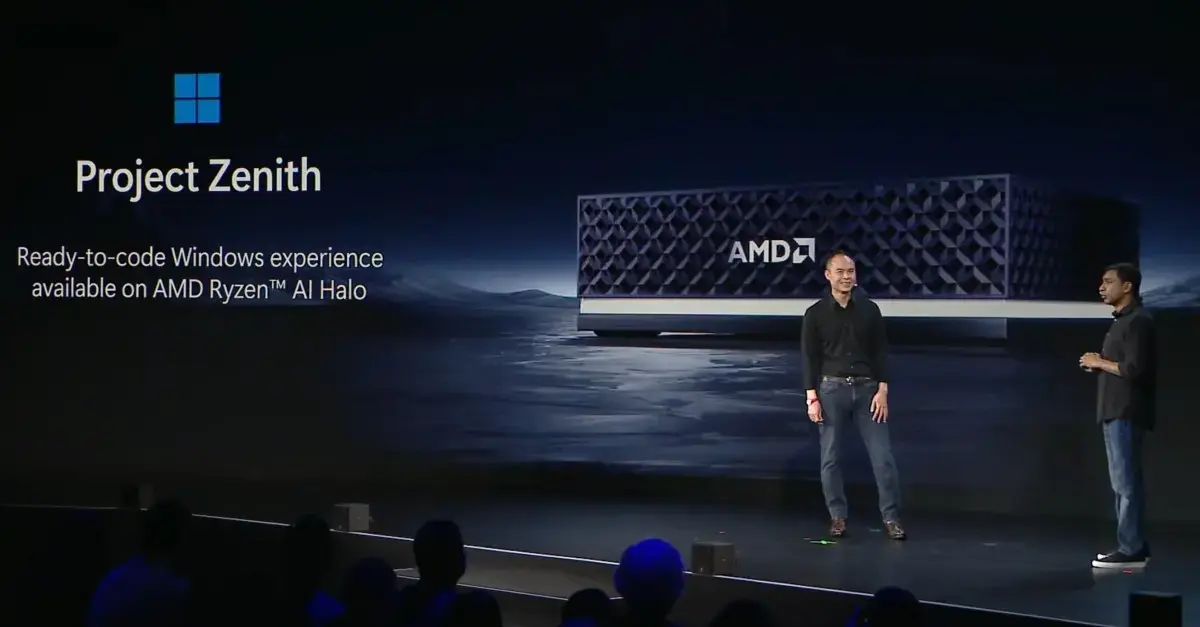 Microsoft Introduces Project Zenith to Streamline Software Development
 London Startup Secures €4.6 Million to Manage Corporate AI Agents
 Nvidia Surges as Top Global Tech Investor with Equity Portfolio Value Jumping Tenfold
The model’s performance on ExploitBench was attributed to a new training paradigm that integrates real-time adversarial filtering during reinforcement learning phases. OpenAI researchers explained that GPT-6 Astra was exposed to millions of simulated exploit attempts during development, allowing it to learn to reject or safely deflect requests for vulnerability details, zero-day techniques, or malware generation. Unlike earlier versions, the model now employs a layered refusal system that combines semantic understanding with intent classification to block harmful outputs without over-censoring legitimate queries. The company emphasized that the Critical threshold designation indicates the model can consistently resist sophisticated jailbreak attempts while maintaining high utility for coding, research, and technical assistance.
What Safeguards Are in Place to Prevent Misuse?
In response to the model’s heightened capabilities, OpenAI has implemented stricter access controls, including blocking proof-of-concept exploit requests even when framed as academic or hypothetical inquiries. The company said it will monitor usage patterns through its API and deploy real-time intervention tools if signs of misuse emerge. Internal audits show a 99.8% reduction in successful exploit generation attempts compared to GPT-5 Turbo under identical test conditions. OpenAI also noted that GPT-6 Astra includes enhanced provenance tracking, enabling developers to trace how the model arrives at safety decisions, which supports accountability in high-stakes applications like cybersecurity defense and software auditing.
What is ExploitBench and why does a 100% score matter? ExploitBench is an internal OpenAI benchmark that tests how well AI models resist prompts designed to elicit harmful code, exploit instructions, or vulnerability details. A 100% score means GPT-6 Astra consistently blocked or safely redirected such requests, indicating strong resistance to misuse in cybersecurity contexts.
Frequently Asked Questions
How does blocking PoC exploit requests affect legitimate research? OpenAI says it continues to allow authorized security research through vetted channels, but restricts unrestricted PoC requests to prevent weaponization. Legitimate researchers can apply for special access under its bug bounty and responsible disclosure programs.
Will GPT-6 Astra be available to the public? OpenAI confirmed GPT-6 Astra will be released in phases, starting with trusted partners and enterprise clients, before a broader rollout later this year, subject to ongoing safety evaluations.