Technical Similarities and Market Positioning
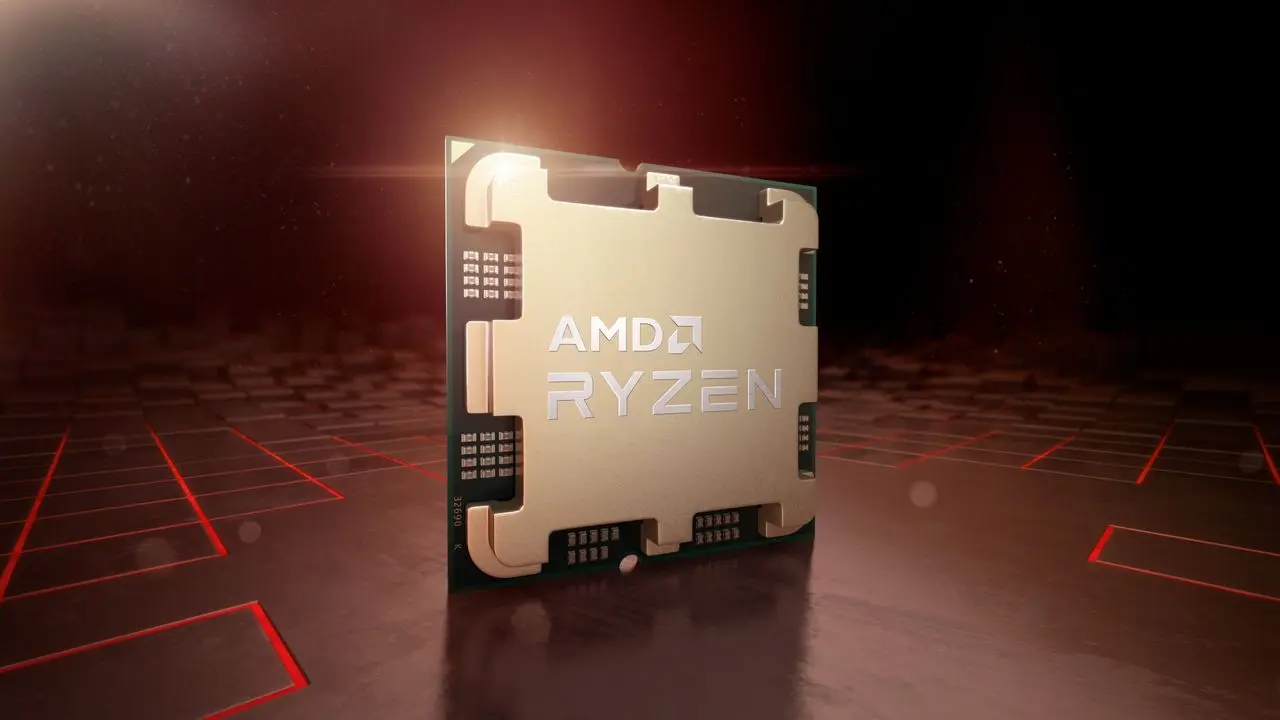
Reports indicate AMD is developing a non-F variant of the Ryzen 5 7500F processor featuring integrated Radeon graphics. The six-core Zen 4 chip is expected to share identical core specifications with its F-series counterpart but include an onboard GPU. This development emerged in early September 2026, though no official launch date has been confirmed by the company.
Breaking news
 Canonical’s Web Presence Hit by Second DDoS Assault This Year
 Loops AI Secures $3.5 Million to Power a New AI Operating System for E‑Commerce
 Winverse AI Secures Tens of Millions in Seed Funding from DeepSeek and Long‑Z
 Google Adds Pixel 9 Series to Certified Refurbished Store
The Ryzen 5 7500F currently operates without integrated graphics, requiring a discrete GPU for display output. By contrast, the rumored Ryzen 5 7500 would incorporate AMD’s Radeon graphics silicon directly onto the die, enabling basic display functionality without a separate graphics card. Sources suggest this addition could position the chip at approximately double the price of the 7500F model, reflecting the added silicon and potential market positioning for budget builds or compact systems where space or power constraints favor integrated solutions.
Will Consumers Pay More for Integrated Graphics?
Despite the graphics integration, the Ryzen 5 7500 is said to retain the same six-core, twelve-thread configuration as the 7500F, based on AMD’s Zen 4 architecture. Clock speeds, cache levels, and thermal design power are expected to remain unchanged, meaning performance differences would stem primarily from workloads utilizing the integrated GPU rather than CPU performance. This approach mirrors AMD’s strategy with previous APU releases, though the 7500 would target the mainstream desktop segment rather than the traditional APU lineup focused on ultra-low power or embedded use.
The rumored pricing strategy raises questions about value perception, particularly for users who already plan to pair the CPU with a dedicated graphics card. For such buyers, the integrated GPU would offer no functional benefit while increasing cost. However, for office systems, home theater PCs, or entry-level gaming rigs where a discrete GPU is unnecessary or impractical, the added convenience could justify the premium. AMD may also be testing consumer response to a segmented product stack where graphics capability is a tiered feature rather than an all-or-nothing proposition tied to the F-suffix designation.
What is the main difference between the Ryzen 5 7500 and 7500F? The Ryzen 5 7500 is expected to include integrated Radeon graphics, while the 7500F lacks this feature and requires a discrete GPU for display output.
Frequently Asked Questions
Will the Ryzen 5 7500 perform better than the 7500F in CPU tasks? No, both chips are rumored to share identical CPU core specifications, so performance in processor-intensive tasks should be equivalent.
Who would benefit most from choosing the Ryzen 5 7500 over the 7500F? Users building compact, low-cost, or office-oriented systems who do not plan to install a dedicated graphics card would benefit from the integrated display capability.