Early Adopters Face Higher Sticker Prices
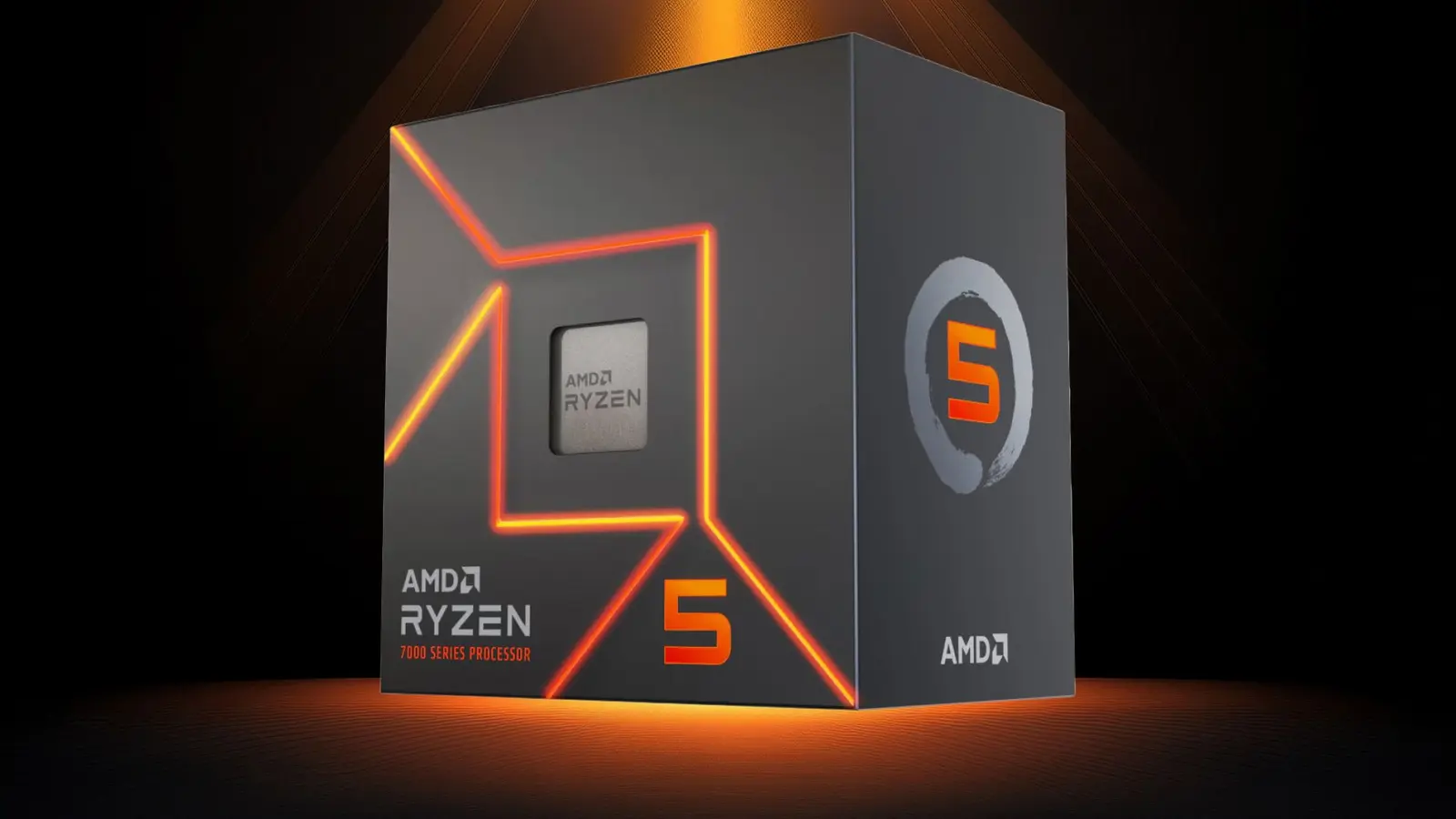
AMD’s latest budget processors, the Ryzen 5 5500F and 7500, have arrived at major retailers. These chips launched nearly two weeks after their official announcement. However, initial stock is selling for roughly twenty dollars more than the manufacturer’s suggested retail price. This premium applies even when purchasing directly from first-party sellers. The discrepancy has caught many budget-focused buyers off guard during the early days of availability.
Breaking news
 Canonical’s Web Presence Hit by Second DDoS Assault This Year
 Loops AI Secures $3.5 Million to Power a New AI Operating System for E‑Commerce
 Winverse AI Secures Tens of Millions in Seed Funding from DeepSeek and Long‑Z
 Google Adds Pixel 9 Series to Certified Refurbished Store
The pricing anomaly affects both the non-F variant of the 7500 and the 5500F model. While AMD set specific list prices for these affordable options, current market listings reflect a higher cost. Buyers looking for value in the mid-range segment face an unexpected hurdle. The situation highlights a temporary imbalance between supply and demand as these new SKUs enter the channel. Retailers appear to be capitalizing on early enthusiasm before broader competition stabilizes the market.
Will Prices Normalize Soon?
The extra cost stems from limited initial inventory and high consumer interest. First-party sellers, who typically adhere closely to manufacturer guidelines, are also listing these units above the standard rate. This suggests that the premium is not just a third-party markup but a systemic issue across the distribution network. For enthusiasts seeking a cost-effective upgrade, the delay in price normalization is inconvenient. The 5500F targets users who need solid performance without integrated graphics, while the 7500 serves those preferring built-in display outputs. Both aim to undercut higher-tier competitors, yet their launch pricing contradicts that promise temporarily.
Industry observers note that such premiums often vanish once secondary stock arrives. As more units flow through the supply chain, competitive pressure should force prices back toward the intended MSRP. Until then, shoppers must decide whether the convenience of immediate availability outweighs the extra expense. Patience may yield better deals within the coming weeks.
Analysts expect the market to correct itself rapidly. Historical trends with similar AMD launches suggest that price drops occur within a month of general availability. The key factor is the arrival of additional retailer listings. When multiple vendors compete for the same customer base, margins tighten. This competition typically erodes the initial premium quickly. Consumers who can wait are likely to see the twenty-dollar gap close significantly. Those needing hardware immediately may still find the current rates acceptable compared to older generation alternatives.
Frequently Asked Questions
How much more do these CPUs cost at launch? Retailers are currently charging approximately twenty dollars above the official MSRP. This applies to both the 5500F and 7500 models. The premium exists even among authorized first-party sellers.
When are these processors expected to reach standard pricing? Prices are anticipated to drop to MSRP levels as additional stock arrives. This usually happens within a few weeks of general availability. Increased retailer competition is the primary driver for this adjustment.