A New Era in Brain-Computer Interface
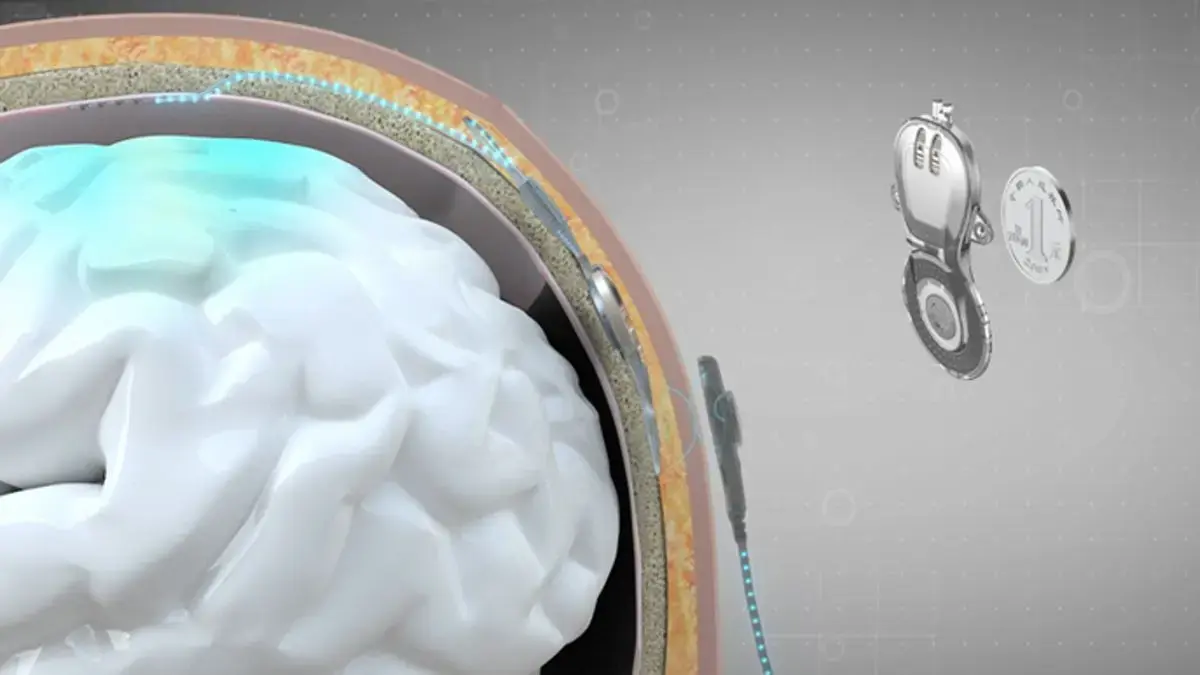
A Chinese team of scientists has successfully implanted a brain-computer interface (BCI) in a patient, marking the world's first commercial use of the technology. The breakthrough comes after regulatory approval in China, allowing the implant to be used in humans. The recipient is a car crash victim who received a coin-sized chip that can translate neural signals into hand movements.
Breaking news
 Town AI Secures $108 Million Series B, Valued at $1 Billion After $55 M Pre‑Series
 Apple Prepares for Major Product Launch Event on October 28
 Apple Releases Release Candidates for watchOS, tvOS and visionOS 27.2
 Apple Limits iPhone Duo and iPhone 18 Pro Max to Reservation-Only Sales in Japan and South Korea
The implant, developed by a team at Tsinghua University, is a significant achievement in the field of BCI technology. It works by reading electrical signals from the brain and converting them into commands that can control devices such as computers or prosthetic limbs. The procedure was carried out on a patient who had suffered severe injuries in a car accident, leaving them unable to move their limbs.
Can Brain-Computer Interfaces Cure Paralysis?
The implant is a major step forward in the development of BCI technology, which has the potential to revolutionize the lives of people with paralysis, ALS, and other motor disorders. The device is small enough to be implanted in the skull, and it can be controlled using a smartphone app. According to the researchers, the implant has shown promising results in early trials, with the patient able to control a computer cursor using only their thoughts.
The use of BCI technology in humans raises questions about its potential to cure paralysis and other motor disorders. While the technology is still in its early stages, researchers believe that it could one day enable people with paralysis to control prosthetic limbs or communicate with others using only their thoughts. However, more research is needed to fully understand the potential of BCI technology and its limitations.
Frequently Asked Questions
The success of the implant has significant implications for the development of BCI technology, and it is likely to spark further research and investment in the field. As the technology advances, we can expect to see more innovative applications of BCI in fields such as medicine, gaming, and education.
Q: Who is eligible for the brain-computer interface implant? A: The implant is currently approved for use in China, and it is available to patients who have suffered severe injuries or paralysis.