
Cache Weaknesses Exposed
Security experts have uncovered a critical flaw in China's Loongson processors. This vulnerability allows malicious actors to steal sensitive information. The issue stems from the processor's cache design. This could compromise systems even within virtual machines.
Breaking news
 Trump Orders Federal Agencies to Adopt „Super Intelligence” Terminology
 The Silicon Valley Accountability Gap
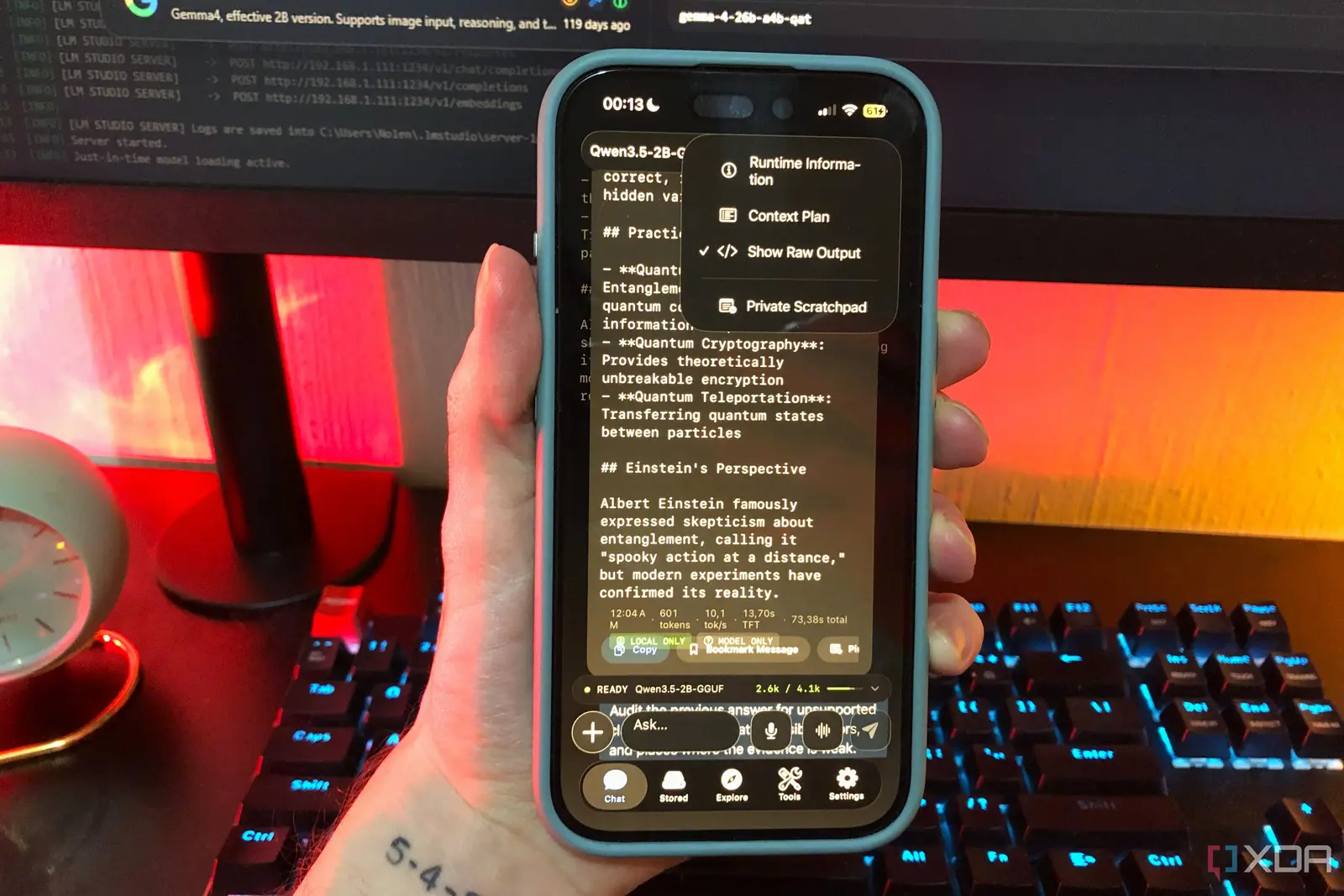 Running a Local AI Model on a Phone Handles Most Chat Prompts
 Google Photos Could Soon Offer a Fresh Start with Ask Photos Feature
The research highlights a significant security concern for users of these chips. Data could be exposed through sophisticated side-channel attacks. These attacks exploit subtle system behaviors.
How Does This Affect System Security?
The problem lies in how the Loongson processors manage their internal data caches. These caches are designed to speed up operations. However, their specific implementation creates a leakage point. This design flaw allows an attacker to observe patterns. These patterns can reveal data being processed.
Even when operating within a virtualized environment, the risk persists. A guest virtual machine, typically isolated, could still be exploited. This means data thought to be secure could be accessed. The isolation provided by virtualization is bypassed.
# What kind of data can be stolen?
The impact on system security is substantial. Any data processed by a vulnerable Loongson chip could be at risk. This includes encryption keys, personal data, and proprietary information. Attackers could potentially reconstruct this data. They would do so by analyzing cache access patterns. This method does not require direct access to the data itself.
# Can virtual machines protect against this vulnerability?
The discovery raises questions about the fundamental security of these processors. It suggests a need for re-evaluation of their architectural design. Users and developers must be aware of these risks.
Attackers could potentially extract various types of sensitive data. This includes cryptographic keys, user passwords, and private information. The specific data depends on what the processor is handling.
# What is a side-channel attack?
No, the research indicates that standard virtual machine isolation is insufficient. The cache-based attack can still succeed even when operating from inside a guest VM. This bypasses typical virtualization security measures.
A side-channel attack exploits information gained from the physical implementation of a computer system. This includes timing information, power consumption, or electromagnetic leaks. In this case, it involves observing cache behavior to infer data.