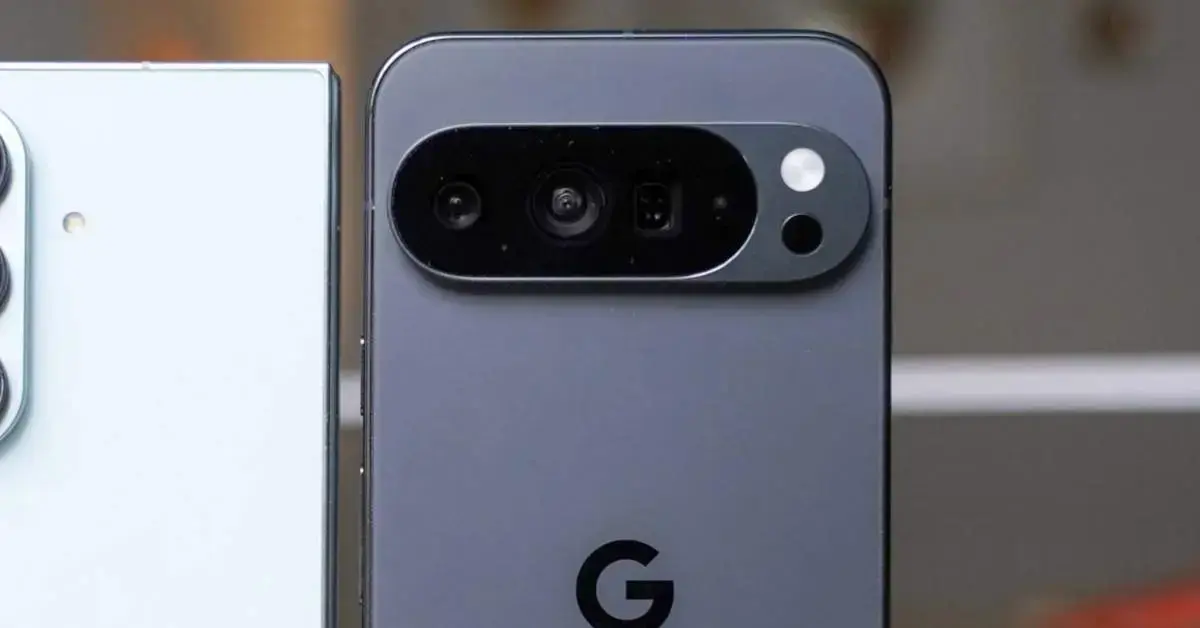
RAM Shortage Drives Cost Pressures
A new poll released on July 9, 2026 asks smartphone owners if they will upgrade despite looming price hikes on Samsung’s Galaxy line and Google’s Pixel phones. The survey follows reports of an 1800 % profit surge at Samsung and hints of a global RAM shortage that could push prices up across most new phones and wearables.
Breaking news
 Town AI Secures $108 Million Series B, Valued at $1 Billion After $55 M Pre‑Series
 Apple Prepares for Major Product Launch Event on October 28
 Apple Releases Release Candidates for watchOS, tvOS and visionOS 27.2
 Apple Limits iPhone Duo and iPhone 18 Pro Max to Reservation-Only Sales in Japan and South Korea
Analysts say the looming RAM crunch is forcing manufacturers to raise component costs, which in turn drives higher retail prices. Samsung and Google have both hinted at modest price increases for upcoming flagship models, citing tighter supply chains and rising chip expenses. The profit jump at Samsung reflects strong demand for older models, but executives warn that future margins could shrink if consumers balk at higher price tags.
Industry insiders point to a constrained RAM market as the primary catalyst for the upcoming price hikes. „Global memory suppliers are operating near capacity,” said Lina Chen, a semiconductor analyst at TechInsights. „When demand outpaces supply, manufacturers have little choice but to pass costs onto consumers.”
Will Shoppers Still Upgrade?
The shortage stems from a combination of increased data‑center demand and slower expansion of new fabrication plants. As a result, the cost of DRAM modules has risen roughly 12 % year‑over‑year. Samsung’s recent earnings release highlighted a record‑breaking profit increase, but the company warned that „component cost volatility may affect pricing strategies for next‑generation devices.” Google has not disclosed specific figures, but internal memos suggest a similar upward pressure on Pixel pricing.
The poll reveals a divided consumer base. About 48 % of respondents said they would still purchase the next Galaxy or Pixel flagship despite higher prices, while 35 % indicated they would postpone upgrades until prices stabilize. The remaining 17 % are considering alternative brands or older models.
„Price sensitivity is higher than we expected,” noted Marco Alvarez, chief marketing officer at a major carrier. „Many customers are weighing the cost against incremental feature improvements.” The survey also showed that younger buyers (ages 18‑34) are more likely to delay upgrades, whereas older consumers (45+) remain loyal to brand ecosystems despite cost increases.
If manufacturers continue to raise prices, analysts predict a slowdown in flagship sales and a shift toward mid‑range devices. Some experts warn that prolonged price hikes could erode brand loyalty, especially if competitors introduce competitively priced alternatives.
Frequently Asked Questions
What is causing the RAM shortage? A surge in data‑center demand and limited expansion of new memory fabs have tightened global DRAM supplies, raising component costs for smartphone makers.
Will the price hikes affect all Samsung and Google devices? The most noticeable increases are expected on flagship smartphones and high‑end wearables, while mid‑range models may see smaller adjustments.
How might the market respond if prices keep climbing? Consumers could delay upgrades, switch to older or mid‑range devices, or explore rival brands offering comparable features at lower prices.