
Convenience Over Security: A Dangerous Trade-off
A new study reveals that businesses are struggling to stop cyberattacks once they begin. This is due to poorly designed networks and weak security measures. Attackers can move freely within systems after an initial breach, causing more damage.
Breaking news
 Nutanix Invests $20 Million in AI Cluster to Cut Reliance on External AI Services
 Nvidia Moves to Acquire AI Hub Hugging Face for Billions
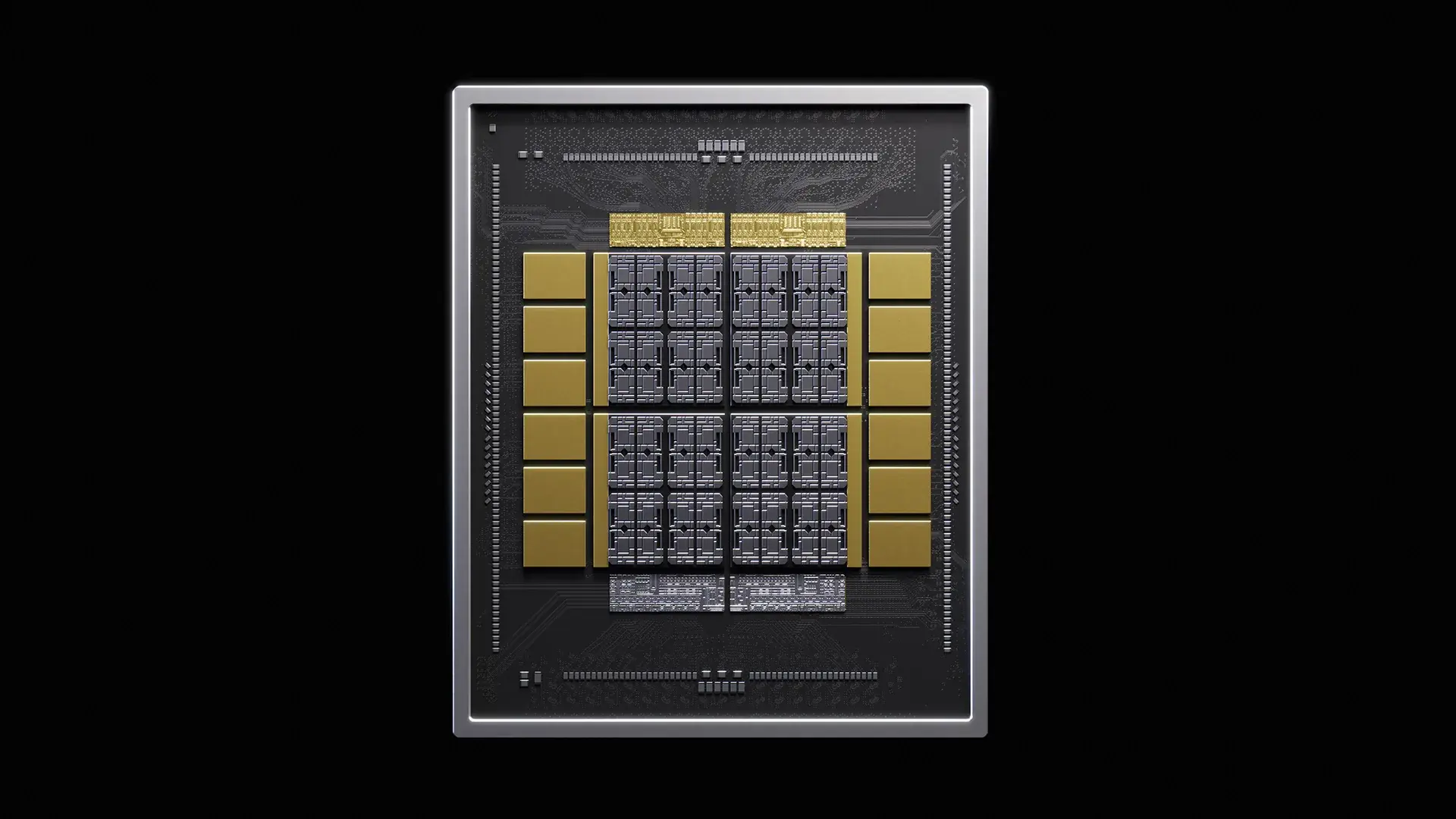 NVIDIA Unveils NVLink Fusion for Next-Gen AI Infrastructure
 Google Caps App Memory Usage to Boost Budget Phone Performance
The report, by Zero Networks, analyzed real-world security data from 54 companies. It found a troubling trend: organizations prioritize ease of use over robust security. This approach leaves them vulnerable to lateral movement by cybercriminals. Once inside, attackers can navigate networks without much resistance.
The study, called the 2026 Lateral Movement Exposure Report, highlights critical weaknesses. These flaws undermine efforts to detect and contain threats. The result is a significant increase in the risk of widespread data breaches.
Why Are Networks So Vulnerable?
Many companies have not properly divided their networks into smaller, isolated segments. This lack of segmentation means that if one part of the network is compromised, the entire system is at risk. Additionally, security controls are often too weak to stop determined attackers.
These issues allow attackers to easily move from one system to another. They can escalate privileges and access sensitive data. This internal freedom makes it much harder for security teams to respond effectively. The initial breach becomes a gateway to broader infiltration.
The report suggests that this problem is widespread across various industries. It emphasizes an urgent need for companies to re-evaluate their security strategies. A shift towards stronger containment measures is essential.
What Are the Consequences of Poor Lateral Movement Protection?
The consequences of these vulnerabilities are severe. They include data theft, system disruption, and significant financial losses. Reputational damage can also be long-lasting. Businesses must invest in better network architecture. They also need to implement more stringent security protocols.
Without these changes, the risk of successful and damaging cyberattacks will continue to grow. Organizations must prioritize security containment to protect their assets.
Frequently Asked Questions
What is lateral movement in cybersecurity? Lateral movement refers to the techniques cyber attackers use to move deeper into a network after gaining initial access. They spread from one compromised system to others to find valuable data or gain control.
Why are poorly segmented networks a problem? Poorly segmented networks allow attackers to move easily between different parts of a system. If one section is breached, the entire network becomes exposed. This makes it difficult to isolate and contain threats.
What should companies do to improve their lateral movement protection? Companies should implement stronger network segmentation and improve their security controls. They need to prioritize containment strategies over mere convenience to prevent attackers from spreading within their systems.